
Last updated October 15, 2026
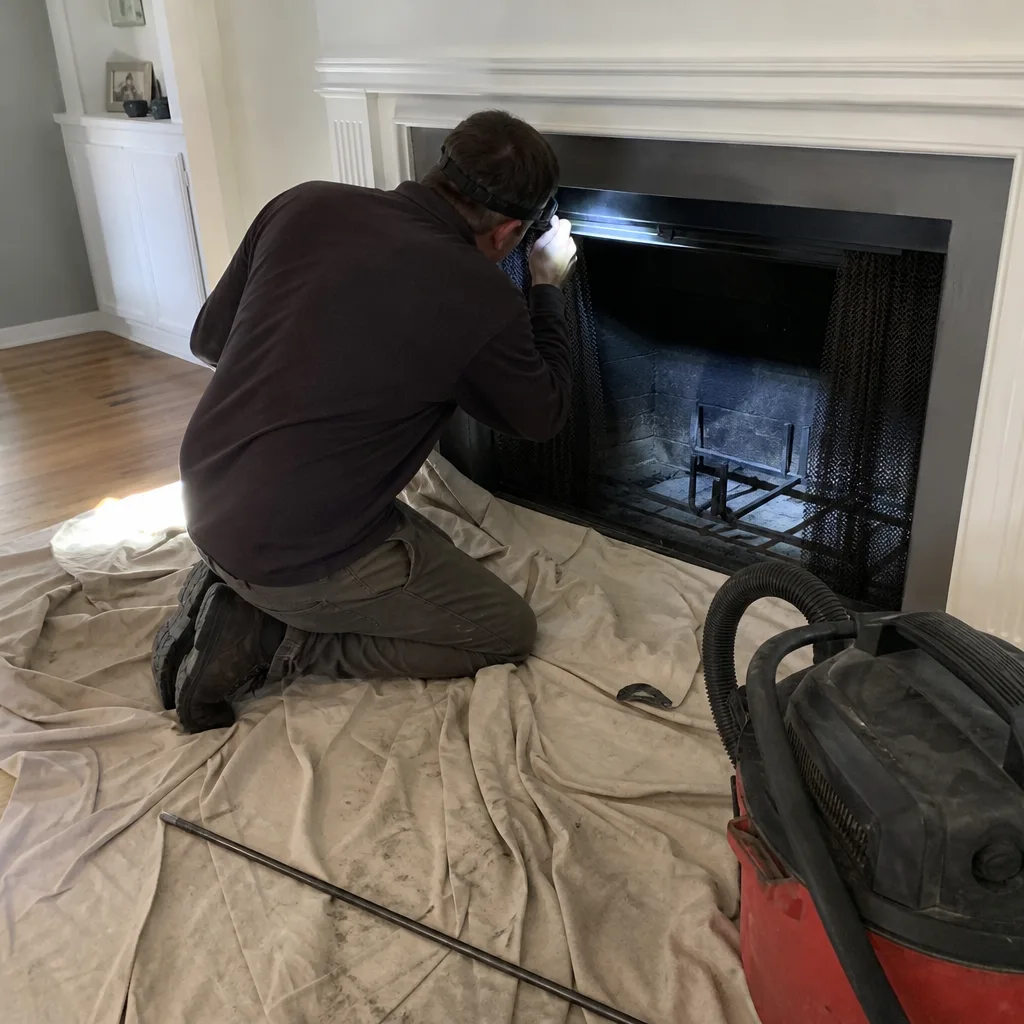
 Sweep & inspection
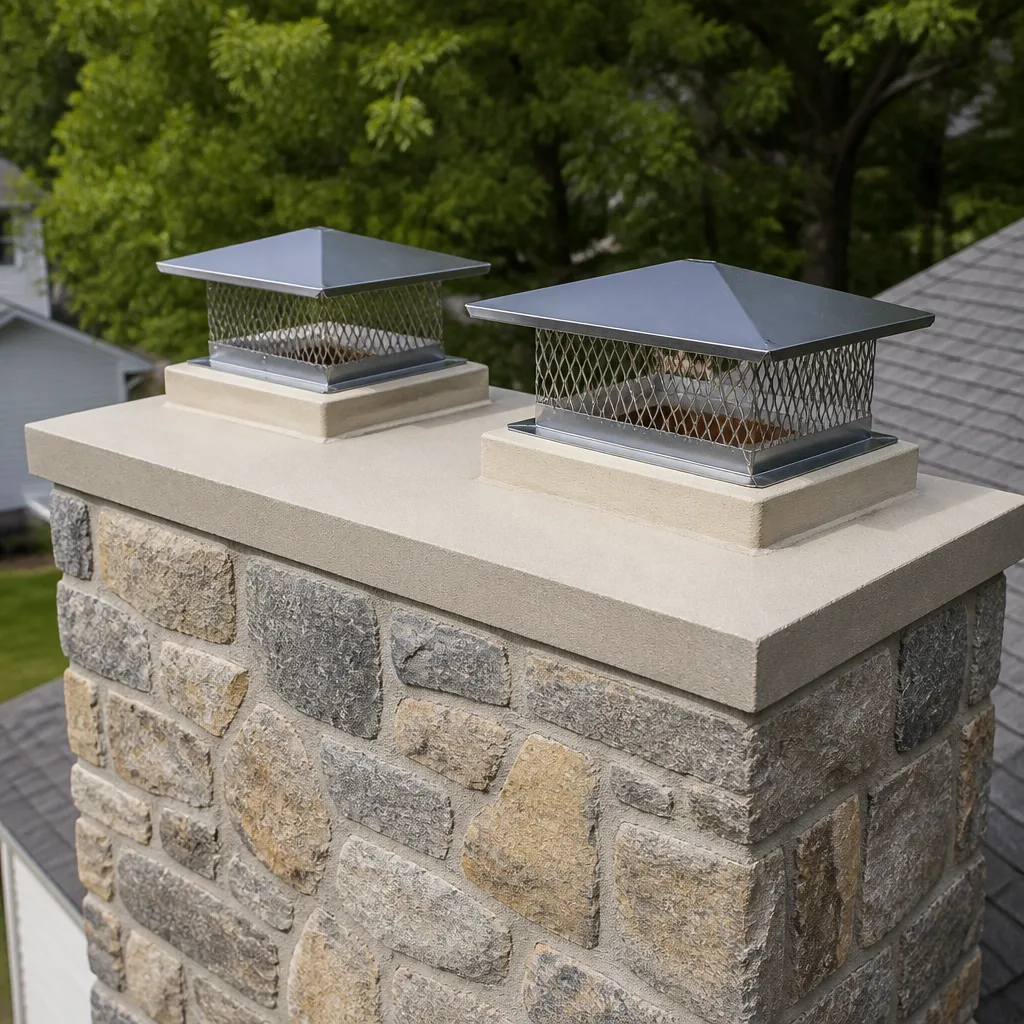 Caps & crowns
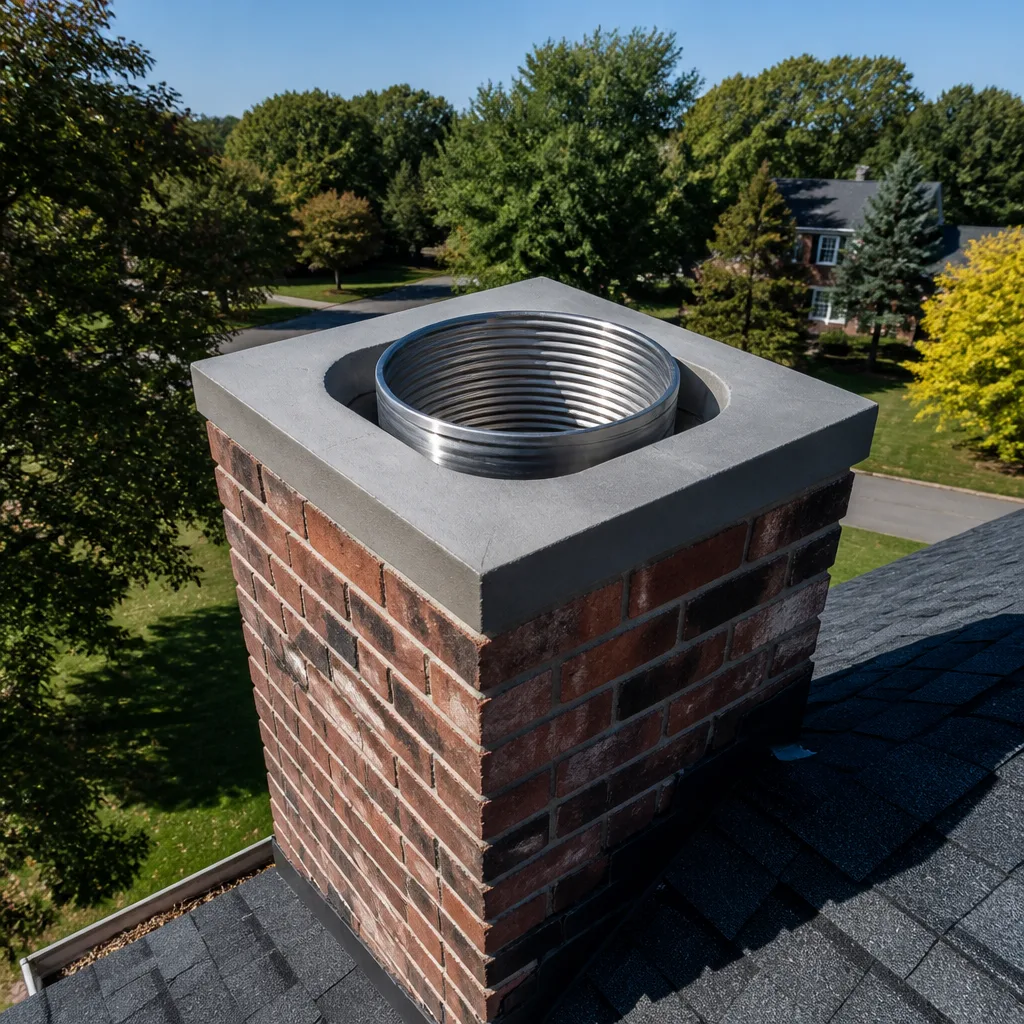 Flue relining
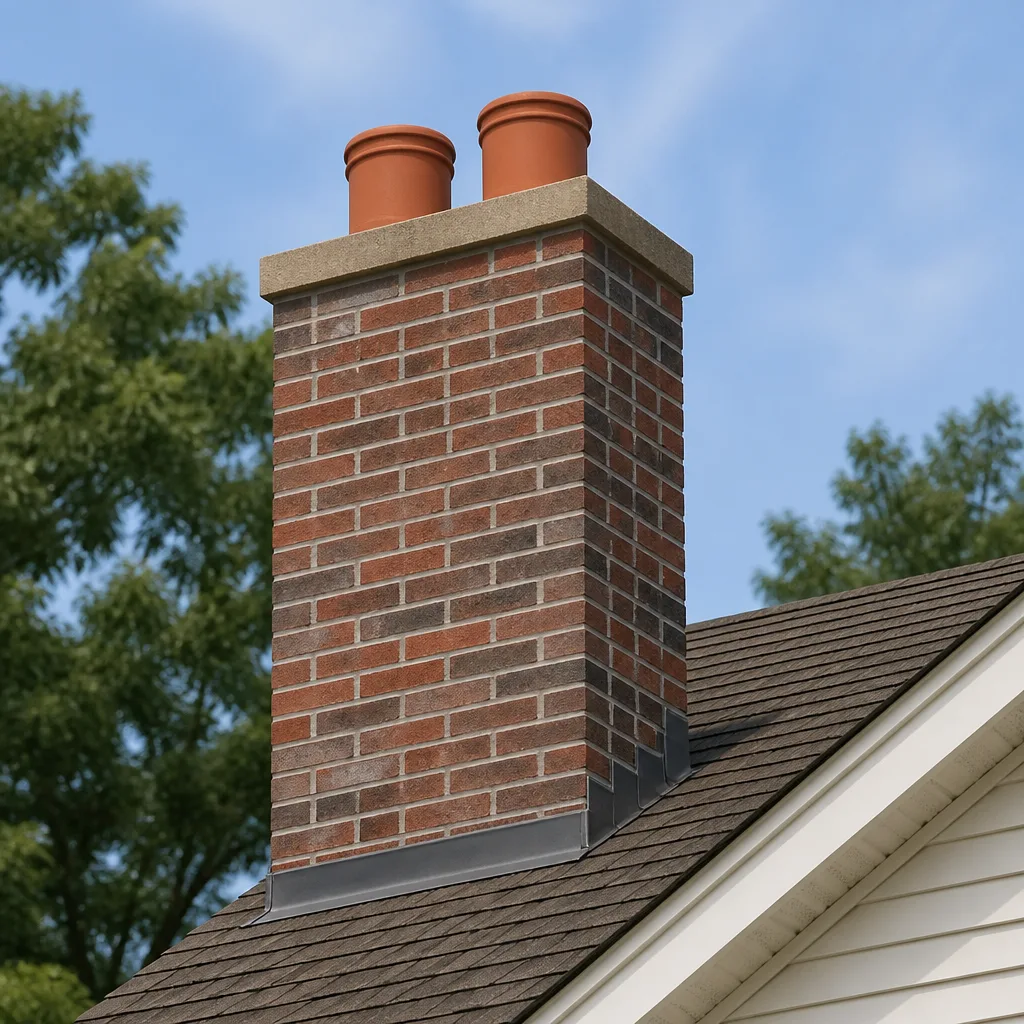 Masonry repair
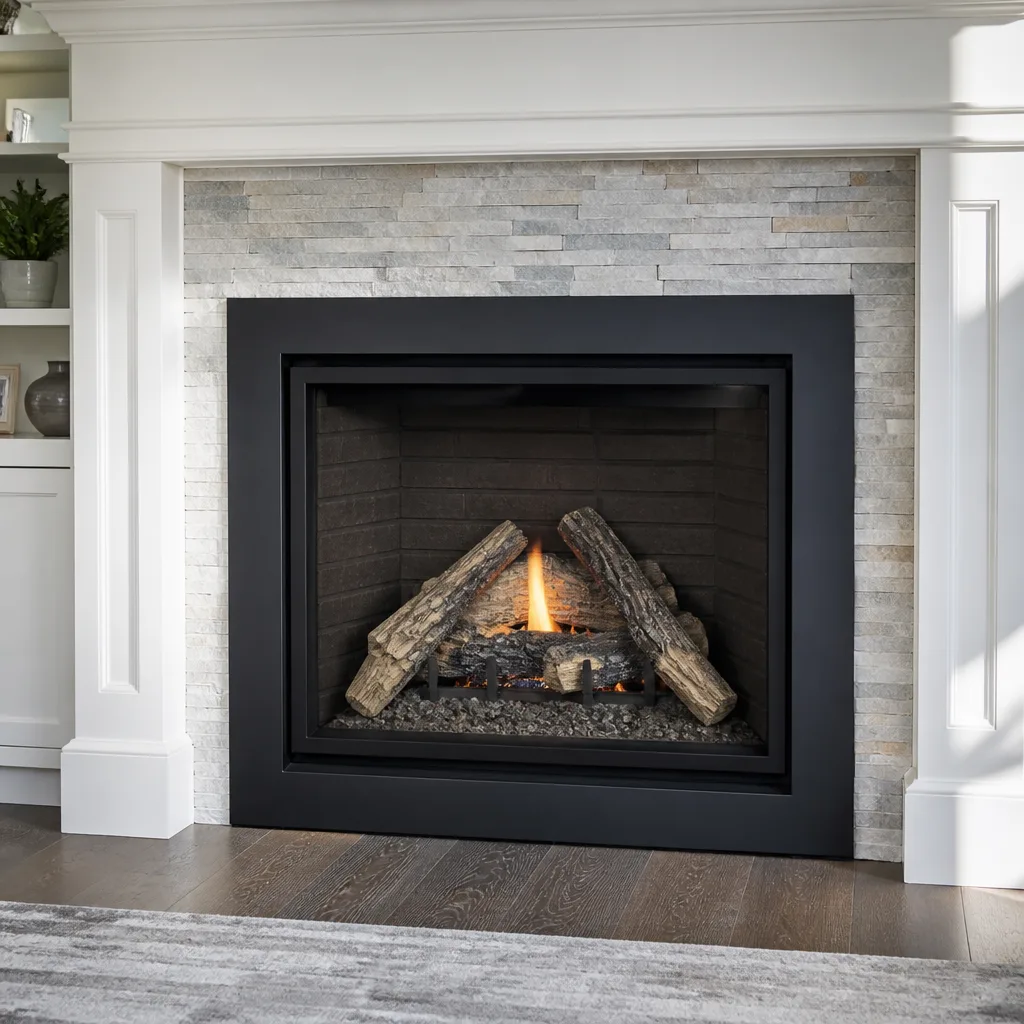 Gas fireplace service
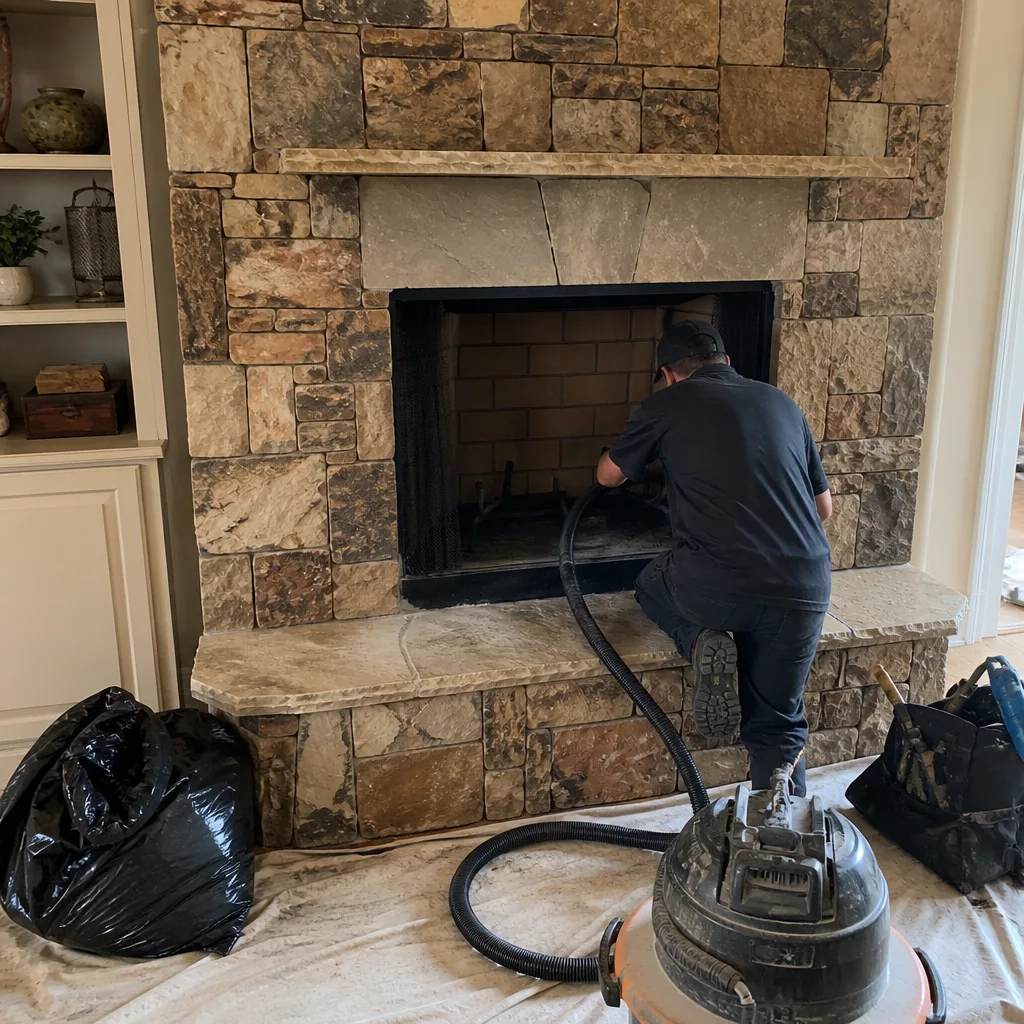
Level 1 sweep and inspection to the NFPA 211 annual standard - flue, crown, cap, and flashing checked and photographed
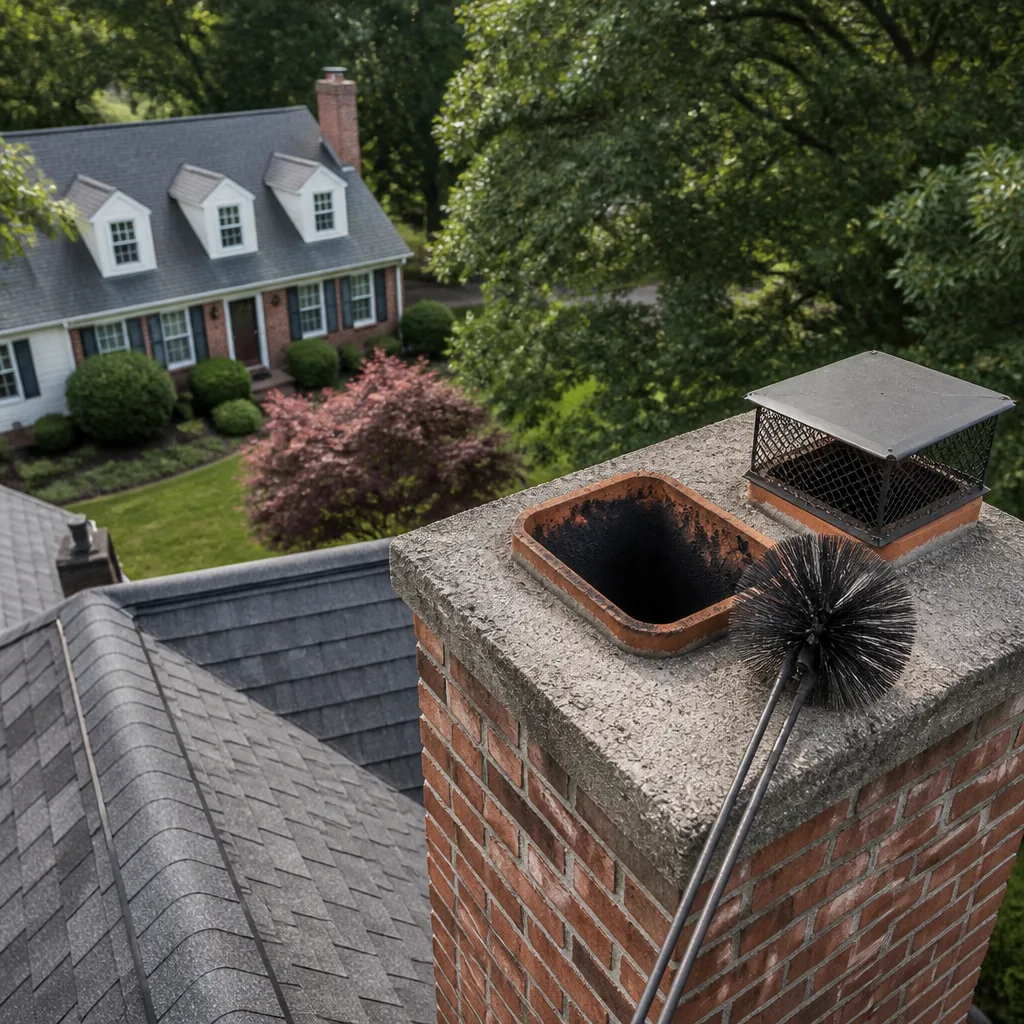
Chimney sweep logs do not sweep chimneys. They loosen some creosote - which then falls where a brush and vacuum still have to collect it.
Seasonal Chimney Cleaning Care for Atlanta: Year-Round Homeowner’s Guide
Most Atlanta homeowners call for a chimney cleaning in December, right around the first cold snap when the fireplace actually gets lit. That’s the most popular month by a wide margin, and it’s completely backward. By December, you’ve already been burning for weeks in a flue no one has looked at since spring. The result is that the inspection happens after the risk has started, not before it. This guide flips the calendar. We’ll walk through why the two windows that actually matter for Atlanta chimneys are October and March, what each appointment should accomplish, what our humidity does to a dormant flue all summer, and what a realistic year of chimney care costs when it’s done in the right order instead of the reactive one.
Quick Answer
Seasonal chimney care for Atlanta hinges on two appointments, not quarterly upkeep: a pre-season sweep and inspection in October before the first burn, and a post-season inspection in March after the last one. A standard chimney sweep in Atlanta runs $189 to $329, and a Level 2 video inspection typically adds $150 to $300-see our Chimney Cleaning Cost Breakdown: The Atlanta Homeowner’s Reference for 2026 for full pricing details. Sticking to this two-visit rhythm catches creosote buildup and moisture damage before either one becomes a chimney fire or a four-figure crown and flashing repair.
Styles & brands we work with
Table of Contents
- Why Atlanta’s Fireplace Season Rewrites the Care Calendar
- The October Window: What a Pre-Season Appointment Must Accomplish
- The March Window: Post-Season Care Before the Heat Sets In
- What Atlanta Summer Humidity Does to a Dormant Flue
- How to Stage Firewood in Atlanta’s Climate to Cut Creosote
- Storm Season: Protecting the Crown, Flashing, and Cap
- The Real Annual Cost of Chimney Care, Done Right vs. Reactive
- Common Mistakes to Avoid
- When to Call a Professional
- Frequently Asked Questions
Why Atlanta’s Fireplace Season Rewrites the Care Calendar
Atlanta gets roughly 90 burnable fireplace days a year. That number matters because it means the flue sits dormant for about nine months and works hard for about three. Most national chimney guides split maintenance into four even seasons, which makes sense in Boston or Minneapolis where the fireplace runs from October through April. It makes no sense here. In Atlanta, the care calendar has two spikes: a short preparation window before burning starts and a short cleanup window right after it stops. If you miss either one, the problem doesn’t disappear. It compounds, because creosote left from last season absorbs moisture all summer, and moisture accelerates liner deterioration. We see this pattern every year doing Chimney Sweep in Atlanta work: homes that skipped March are the ones that need liners in October.
Here’s the sequence that works for our climate:
- October: sweep and Level 1 inspection before the first fire. This is the non-negotiable baseline.
- November through February: burn normally. A mid-season visual check is optional for heavy burners.
- March: post-season inspection and any repairs while temperatures are mild and materials cure properly.
- April through September: the flue rests. One moisture check after heavy summer storms is worth the climb.
The December rush exists because people react to cold, not to risk. A flue in Atlanta’s November is no more dangerous than a flue in October. The difference is that by December, you’ve already lit fires in it, so any defect that was present in October has now been heated, cooled, and possibly ignited creosote. Pre-season care is the only version where the inspection happens before the first box of firewood gets opened.
The October Window: What a Pre-Season Appointment Must Accomplish
A proper pre-season appointment in Atlanta does three things, and none of them should be skipped. First, the sweep. Creosote, which is the tar-like, highly flammable residue wood smoke leaves behind, builds up fastest during the previous season’s final fires, when the flue is already bordering on cool and combustion is less complete. That creosote has been sitting in your flue since March, drawing moisture from humid air and hardening into a glaze that’s harder to remove the longer it sits. Second, the inspection. Before you strike a match in October, someone needs to confirm the flue tiles aren’t cracked, the damper opens and closes fully, and last spring’s storms didn’t shift the cap or open a seam in the flashing. Make sure your technician follows Chimney Cleaning Permits, Codes & Inspections in GA: What You Need to Know. Third, a written price for anything the inspection finds. You should know exactly what a repair costs and whether it’s urgent before you ever light the first fire, not after a December emergency call.
We recommend an Chimney Inspection in Atlanta at least every other year as part of the October appointment. If you burn more than two cords a season or your home is in an older intown neighborhood like Virginia-Highland or Grant Park with a clay-tile flue from the 1940s, make it every year. The inspection is where Atlanta homeowners catch the things that get expensive: spalled brick from freeze-thaw cycles, rusted dampers from summer condensation, and nests. Our summers are long enough that birds and squirrels have plenty of time to build in an uncapped flue, and the first October fire is what ignites a nest if no one looked first.
The March Window: Post-Season Care Before the Heat Sets In
March is the window Atlanta homeowners skip the most, and it’s the one that saves real money. After the last fire of the season, your flue has a fresh layer of creosote. Some of it is fluffy and easy to remove. Some of it has already baked into a tar-like glaze, especially if you burned any wood that wasn’t fully seasoned. Left in place through a humid Atlanta spring and a sweltering summer, that creosote absorbs moisture. Wet creosote expands. It saturates the flue liner’s surface and accelerates acidic breakdown of the masonry behind it. The result is the difference between a $249 sweep in March and a liner assessment in October.
A March post-season visit should include:
- Removal of the season’s creosote and soot while they’re still fresh and easier to break down.
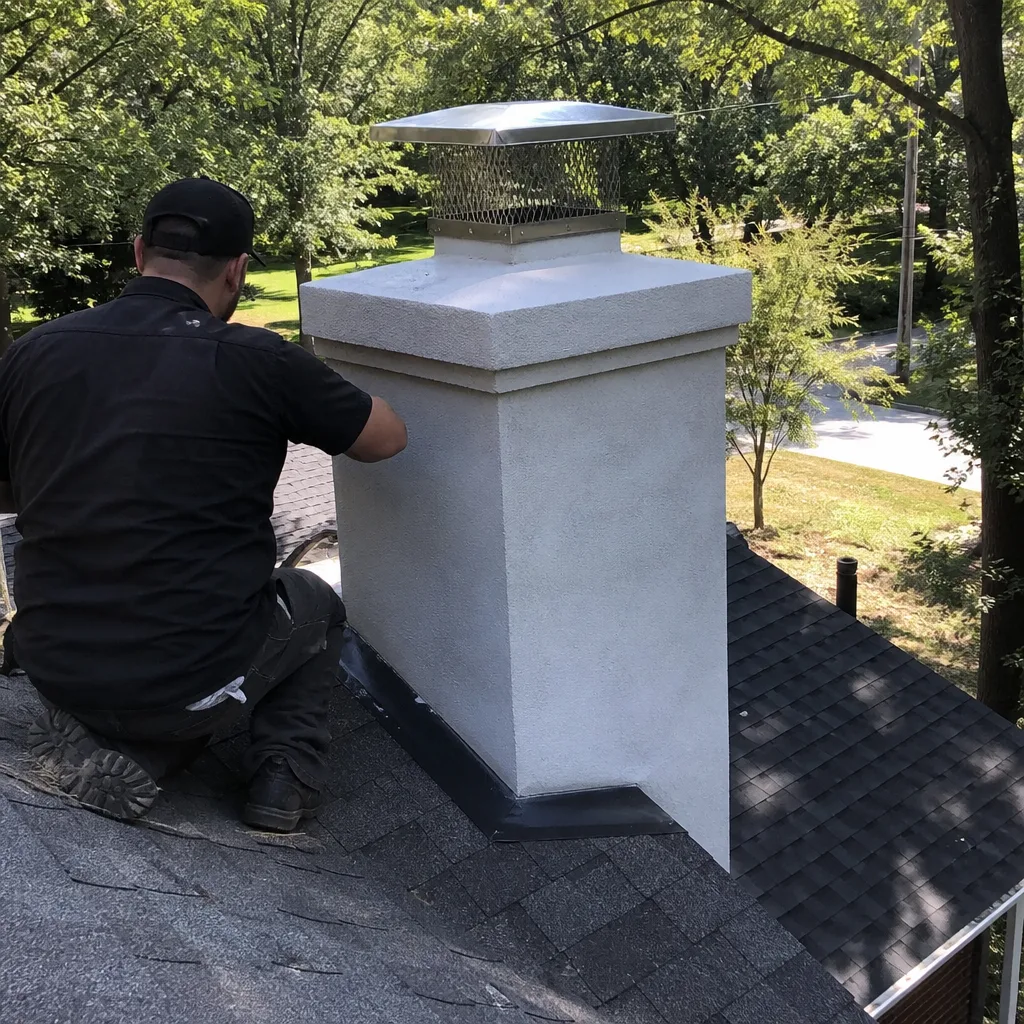
- A visual check of the chimney crown, flashing, and cap for damage from winter storms and freeze-thaw.
- A damper inspection to confirm it still fully closes, so your summer AC isn’t venting into the flue.
- Documentation of any developing issue, with a written price for repair, so you can budget for it rather than react to it.
Think of March as the appointment that locks in an easy October. When the flue goes into summer already clean and inspected, the pre-season appointment in the fall is a quick confirmation instead of a thick-glaze removal job that costs more and takes longer. Ruben Castellano has told customers for years that the best October appointment is a boring one, because a boring October means March was done right.
What Atlanta Summer Humidity Does to a Dormant Flue
From June through September, Atlanta’s humidity routinely sits above 70 percent. A masonry chimney is a giant humidity sponge. Bricks and mortar are porous; they wick moisture from the air even without rain. That moisture migrates inward to the flue liner, where it mixes with residual creosote and soot from last season. The byproduct is acidic. It eats at clay tile liners, corrodes steel dampers, and creates the musty, campfire-ish smell that drifts into the house on hot days. If you’ve ever noticed your living room smells faintly of an old fireplace in August, that’s not your imagination. That’s moisture activating last winter’s residue.
Three signs of moisture damage to check before your first fall fire:
- Efflorescence: a white, chalky mineral deposit on the outside of the chimney brick. It’s salt being pushed out by water moving through the masonry, and it means water is entering somewhere it shouldn’t.
- Spalled brick: faces of the brick have popped off, leaving rough orange interior exposed. Freeze-thaw does this, and while Atlanta’s freezes are brief, they happen enough that older masonry in neighborhoods like Decatur and East Atlanta shows it regularly.
- Rust on the damper or firebox hardware: moisture from the air alone can do this in a humid summer, and a rusted damper is the first component to fail. If it won’t open, you can’t burn. If it won’t close, your HVAC budget goes up.
Water is the thing that kills chimneys faster than fire. We tell Atlanta homeowners that a chimney cap and a sound crown are the two cheapest insurance policies against humidity damage. A properly installed cap keeps rain and wildlife out, and a sealed crown keeps water from soaking into the brick structure itself. If you notice any of the three signs above, have a professional look before you burn again.
How to Stage Firewood in Atlanta’s Climate to Cut Creosote
Creosote production isn’t a fixed number. It depends heavily on the wood you burn and how dry that wood is. In Atlanta, buying “seasoned” firewood from a roadside seller is a gamble, because our high humidity slows the drying process even for properly split and stacked wood. Wood that reads as seasoned in Colorado would still be too wet here. The moisture content that matters is below 20 percent, and in Atlanta’s ambient humidity, firewood can plateau around 22 to 25 percent even after a year of seasoning. That difference is enough to measurably increase creosote buildup per burn.
What actually works in our climate:
- Buy in March or April for the following fall. You want the wood to sit through one full Atlanta summer before burning, and ideally you’ll re-stack it once or twice to expose fresh surfaces.
- Stack off the ground and away from the house. Ground contact wicks moisture from soil; stacking against the house traps humid air against the wall and invites pests. Four to six inches of air gap under the stack is enough.
- Cover only the top of the stack. A tarp over just the top rows lets rain run off while air circulates through the sides. Fully tarping a stack in Atlanta creates a sauna, not a kiln.
- Bring wood inside 48 hours before burning. Indoor air, especially once the heat runs, will pull a few percentage points of surface moisture out of the wood. That’s often the difference between clean ignition and a smoky, creosote-generating start.
The wood species matters too. Oak and hickory burn longer and cleaner than pine or poplar, but they also need a full year of seasoning in Atlanta weather before they’re ready. Pine burns fast and hot, and it creates more creosote per cord. If you’re buying firewood from a supplier, ask how long it’s been split and stacked, and ideally check a split with a moisture meter. A $30 moisture meter is a useful tool that pays for itself the first time it stops you from burning a wet cord that gums up your flue.
Storm Season: Protecting the Crown, Flashing, and Cap
Weather in Atlanta doesn’t just happen in winter. Our spring and summer storm season brings high wind, heavy rain, and occasional hail, and all three of those take direct aim at the three parts of a chimney that keep water out: the crown, the flashing, and the cap. The crown is the concrete or mortar slab on top of the chimney that sheds water away from the flue. The flashing is the metal seal where the chimney passes through the roof. The cap is the metal screen-and-hood unit that sits on top and prevents rain, birds, and debris from entering the flue opening. When any one of these three fails, water enters the chimney and starts doing what Atlanta humidity also does: breaking down mortar, rusting dampers, and accelerating creosote acid damage.
Spring tasks that protect a chimney through Atlanta’s worst weather:
- Inspect the cap after any hailstorm. Hail dents and cracks caps, especially older galvanized models. A dented cap still sheds rain, but a cracked mesh allows birds and squirrels in. In our experience, spring is when most animal-in-flue calls happen.
- Check flashing seams after the first heavy spring rain. Look for water staining on the ceiling near the chimney, or dark lines on the attic side of the chimney chase. Flashing failure is the most common cause of roof leaks in Atlanta homes with masonry chimneys.
- Seal any cracks in the crown before November. A hairline crack in the crown will expand during the winter with freeze-thaw, and by spring it’s a channel for water. Crown sealing is a modest repair in the $200 to $600 range, but replacing a deteriorated crown runs $1,200 to $3,000.
We see the crown-and-cap combination fail most often on homes built between 1960 and 1990, when many Atlanta builders used a thin mortar crown wash that’s now 40 to 60 years old and at the end of its expected life. If your home in Sandy Springs, Buckhead, or Dunwoody is in that age range and the chimney hasn’t had a crown inspection in years, March is the time to do it.
The Real Annual Cost of Chimney Care, Done Right vs. Reactive
Let’s put actual numbers on the two approaches, because “chimney care” as a category is vague until it’s priced. A standard Alcott Chimney Atlanta home service sweep, which includes a Level 1 visual inspection of the accessible portions of the chimney, runs $189 to $329 depending on the height of the flue, the accessibility of the roof, and the degree of creosote buildup. A Level 2 video inspection, which sends a camera down the flue to document the liner’s condition, adds $150 to $300. That’s the inspection we recommend when a home has changed hands, a chimney has been unused for years, or there’s any concern about the liner.
Here’s the annual cost on the right schedule:
- October sweep and Level 1 inspection: $189 to $329
- March post-season sweep (lighter, faster): $160 to $250
- Occasional crown sealing or cap replacement, amortized over 5 years: $50 to $150 per year
- Total, done right: roughly $400 to $700 per year, and a chimney that stays in good condition for decades
Now the reactive path: skip March and October, burn through December into February, and a February chimney fire scare or smoke-back incident prompts the first call. You’re now looking at a thick, glazed creosote removal at a higher rate because it’s an emergency, a Level 2 inspection because the flue has been neglected for years, and likely a liner repair. In Atlanta, clay tile flue liners that have absorbed years of acidic creosote and humidity often need resurfacing or replacement. A stainless liner system from a professional trade brand like DuraFlex, installed with insulation, for a typical single-story Atlanta chimney, runs $2,800 to $5,500. A HeatShield resurfacing of a clay liner runs $1,800 to $3,500. A full crown rebuild is $1,200 to $3,000. The reactive path can be $4,000 to $9,000 in a single year, and you were cold for part of the winter because the fireplace was out of commission.
The math is simple. Two scheduled visits a year costs less than one emergency response every five years, and the scheduled version means the fireplace works on the nights you actually want it.
Common Mistakes to Avoid
- Calling for a sweep in December and expecting an inspection to count as pre-season. The pre-season window in Atlanta closes when the first fire is lit. After that, any inspection is reactive, and the job is often bigger because creosote has been baked on by fresh fires.
- Treating March as optional. Skipping the post-season sweep leaves a full season’s creosote in the flue through the most humid months of the year, which is exactly what turns a $200 sweep into a liner replacement.
- Burning green or semi-seasoned wood because “it’s all I had.” One cord of wet wood can put more creosote in your flue than three cords of properly seasoned wood. In Atlanta’s humidity, wood that wasn’t split and stacked by April is not ready to burn in November.
- Ignoring a musty fireplace smell in August. That smell means moisture is interacting with creosote, and the damage is happening whether you burn or not. It’s the most common early warning sign we hear described on the phone, and it’s almost always followed by a liner finding.
- Buying a house and assuming the chimney works because the seller lit a fire once. A standard home inspection in Georgia does not include a chimney camera inspection. We regularly find cracked tiles and missing chase covers on homes in Marietta, Alpharetta, and Decatur that passed a general home inspection with flying colors.
- Leaving a masonry chimney uncapped. It’s the single cheapest-to-fix vulnerability and the single most common entry point for animals, water, and debris. A cap costs a fraction of what an animal removal and flue cleaning after a nest fire will cost.
- Skipping the written price. If a chimney company won’t give you a written price before work begins, that’s the whole conversation. In our experience as a Gas Fireplace Repair in Atlanta company with 23 years in this market, reputable shops put it in writing as a matter of course, not as a favor.
When to Call a Professional
Call a chimney professional when you see flaking brick, white efflorescence on the masonry, signs of a roof leak near the chimney, or when you smell smoke in the house after a fire is out. Call if your damper won’t open or close, if you hear animals in the flue, or if you’ve bought a house and no one can show you a camera inspection report. Review our Chimney Cleaning Warning Signs: A Atlanta Homeowner’s Reference Guide for other red flags. Call if your carbon monoxide detector has gone off in the same room as the fireplace, or if a fire burns smoky and sluggish even with dry wood and an open damper. If you’re in Atlanta and unsure whether a problem is worth the service call, Alcott Chimney Atlanta offers free estimates in Atlanta – call (762) 356-6423. You’ll get a straight answer about whether it can wait or needs attention before the next burn. Every customer gets a written price before any work starts, and every technician arrives with a name and photo shared in advance, plus a photo ID badge at the door. That’s the Threshold Standard, and it’s not an upgrade; it’s just how we operate.
Frequently Asked Questions
A standard chimney sweep in Atlanta runs $189 to $329 for a typical single-story masonry fireplace, with higher prices for steeper roofs, taller flues, or heavier creosote buildup. The price you’re quoted should be the price you pay, in writing, before any work starts; if a company won’t put it in writing, that’s a reason to keep looking. Call (762) 356-6423 for an exact quote on your chimney, with no charge for the estimate.
The National Fire Protection Association standard is to sweep whenever creosote buildup reaches 1/8 inch, which for most Atlanta homeowners means once a year, ideally in October before the burn season starts. If you burn more than two cords a season or regularly burn wood on the damper side of seasoned, you may need a mid-season sweep as well. The March post-season sweep is what keeps October’s appointment quick and inexpensive.
Yes, and this is the appointment most Atlanta homeowners skip. A season’s worth of creosote left in the flue through a humid Atlanta summer absorbs moisture, becomes acidic, and attacks the liner masonry while the fireplace sits dormant. The March sweep removes that residue while it’s still fresh and loosely bonded, and it’s the single highest-leverage visit for preventing liner damage.
Creosote accumulates in layers, with each season’s fire baking the previous layer harder. In Atlanta’s humidity, those layers draw moisture and create the conditions for a chimney fire or for accelerated liner deterioration. We commonly see flues in older Atlanta homes where three or four years of skipped sweeps have added up to a stainless liner replacement instead of a simple sweep. The repair is always more than the skipped maintenance cost.
Yes. An uncapped flue is an open pipe into your house, and in Atlanta’s climate that means rain, humidity, birds, squirrels, and leaves all entering freely. A properly installed cap costs a small fraction of what a single animal removal or a masonry repair from water infiltration will cost, and it also prevents rain from entering the flue and contributing to the moisture damage that kills liners.
Every Alcott Chimney Atlanta technician is background-checked and identity-verified before they ever step onto a customer’s property, part of the Threshold Standard that applies to every job we perform. You’ll receive the technician’s name and photo before the appointment, and the technician is required to show a photo ID badge at the door, every time, no exceptions. If you ever feel unsure about the person at your door, you can ask for that badge and they will produce it.
The Bottom Line
Atlanta’s fireplace season is short enough that the care calendar collapses into two windows: October before the first fire, and March after the last. October is when you confirm the flue is safe before you light it. March is when you clear out the season’s residue before humidity turns it into an acid bath that sits in your chimney for six months. A right-schedule year costs roughly $400 to $700 and keeps the chimney working for decades. A reactive year costs four to ten times that, and you lose the fireplace on the nights you wanted it most. The pattern is the protection.
Written by Ruben Castellano, Owner at Alcott Chimney Atlanta, serving Atlanta since 2002.
See the difference
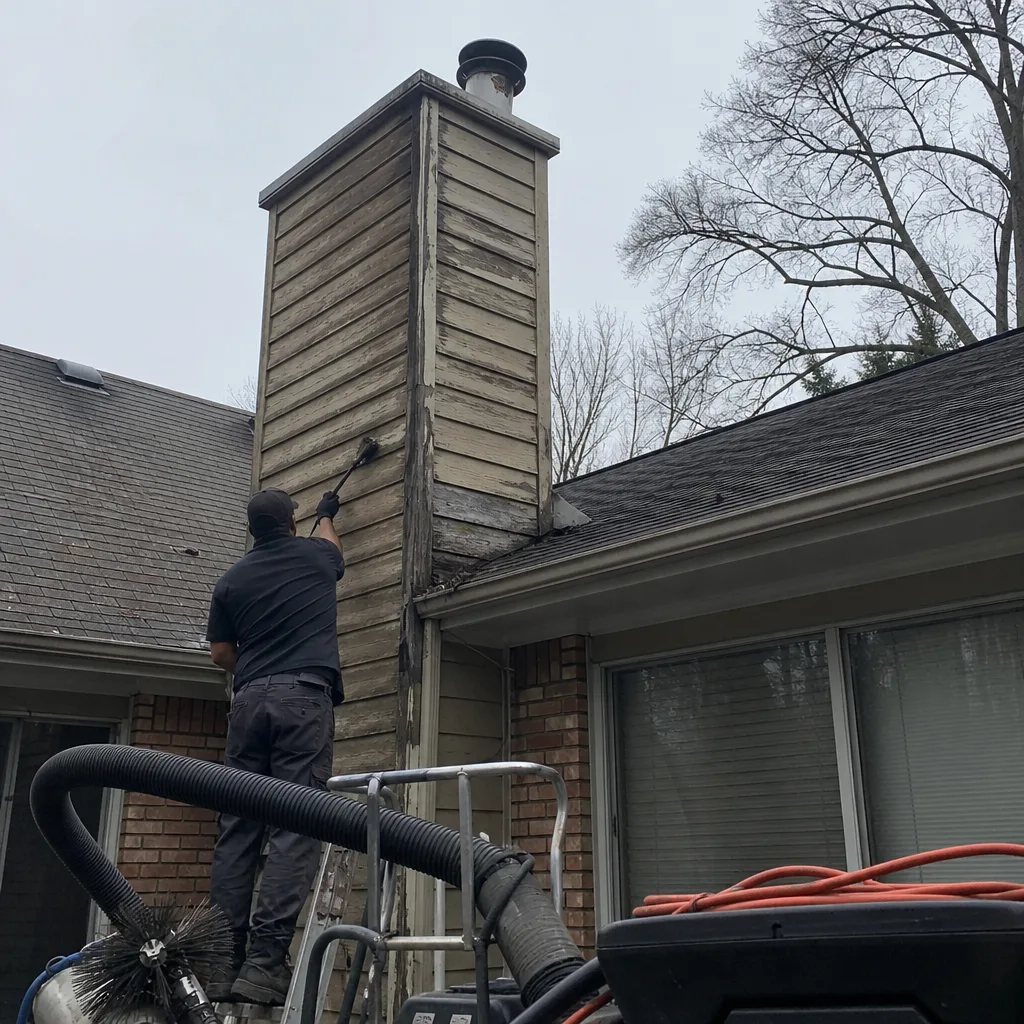 Before
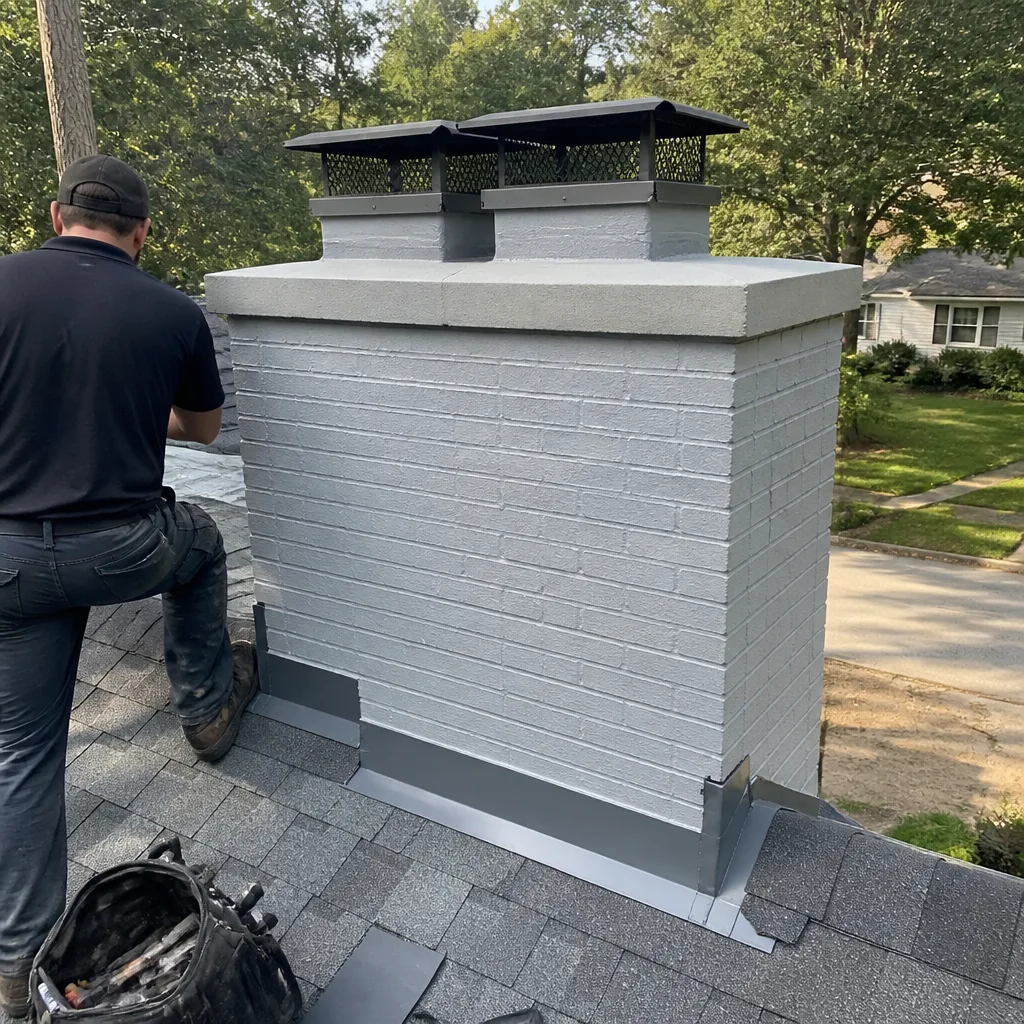 After
After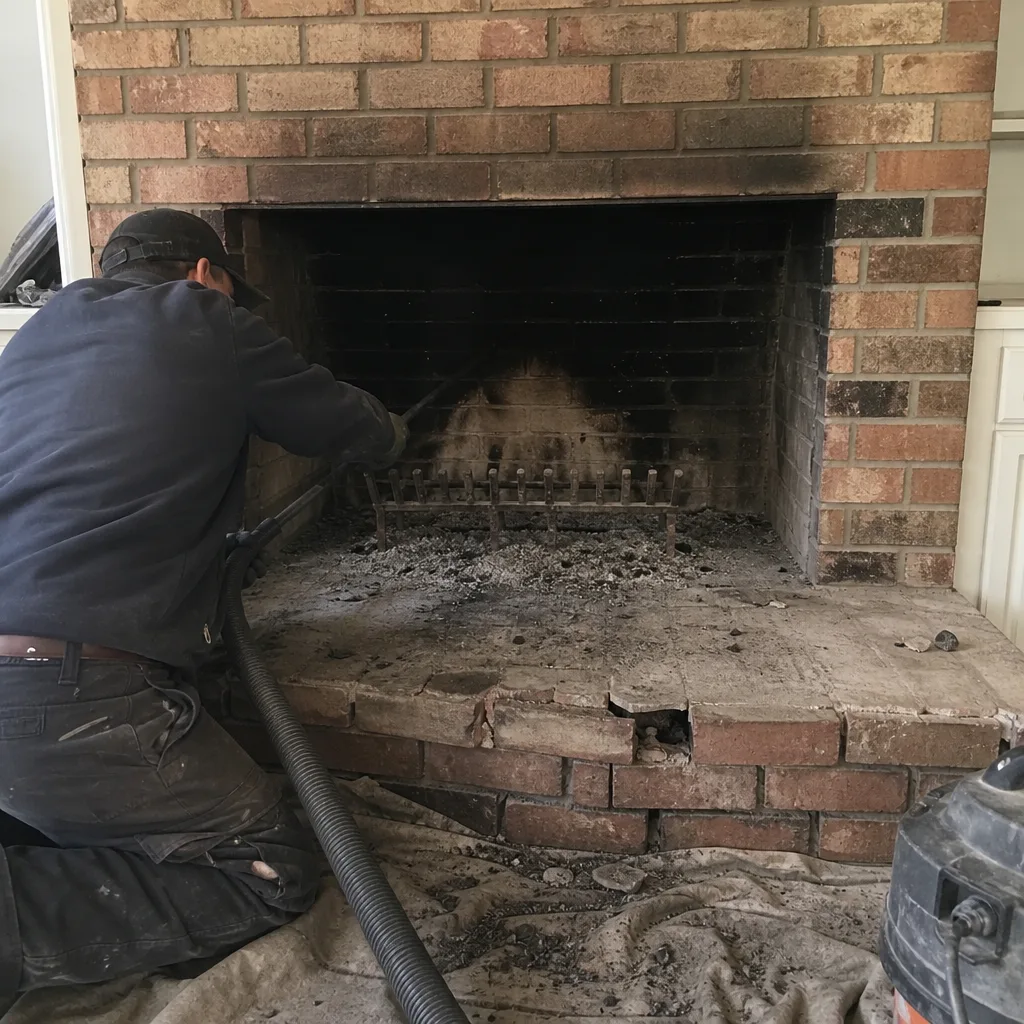 Before
 After
After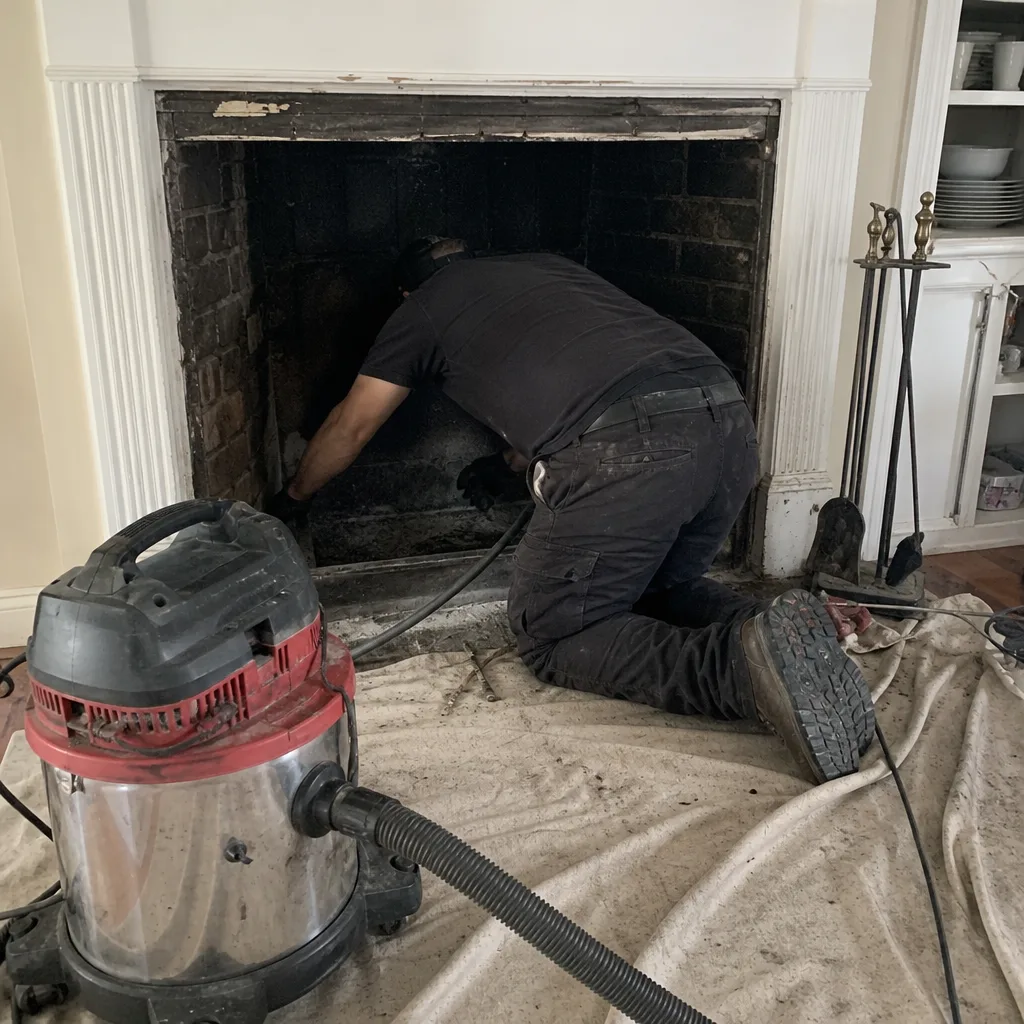 Before
 After
After