
Last updated October 15, 2026
 Sweep & inspection
 Caps & crowns
 Flue relining
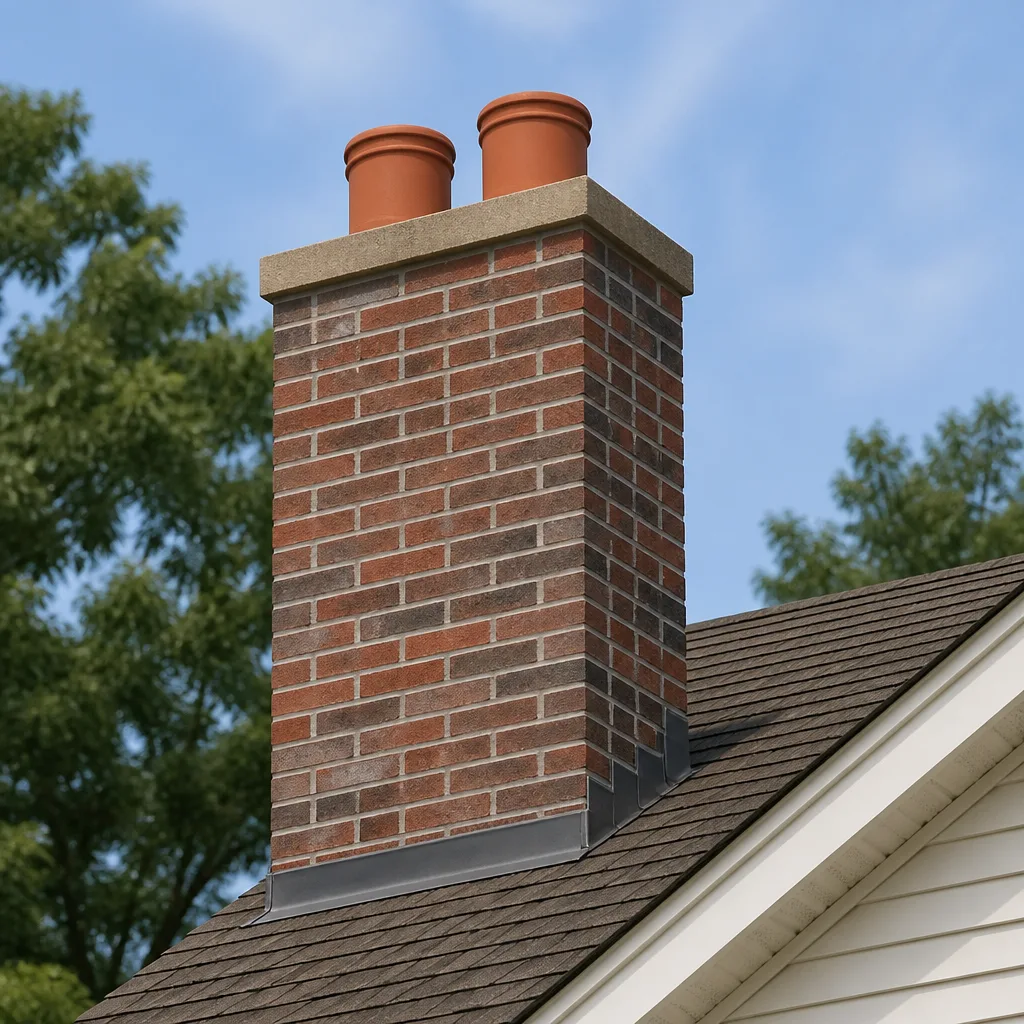 Masonry repair
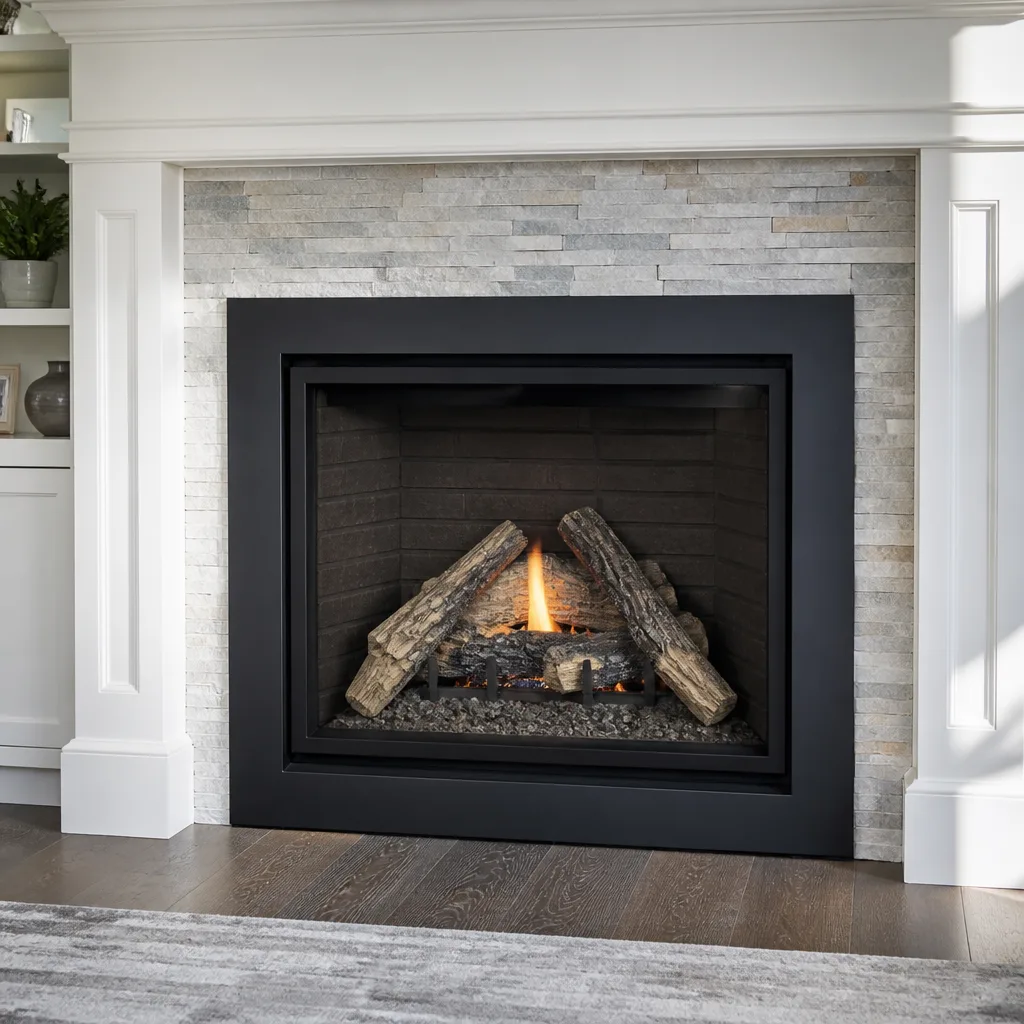 Gas fireplace service
Level 1 sweep and inspection to the NFPA 211 annual standard - flue, crown, cap, and flashing checked and photographed
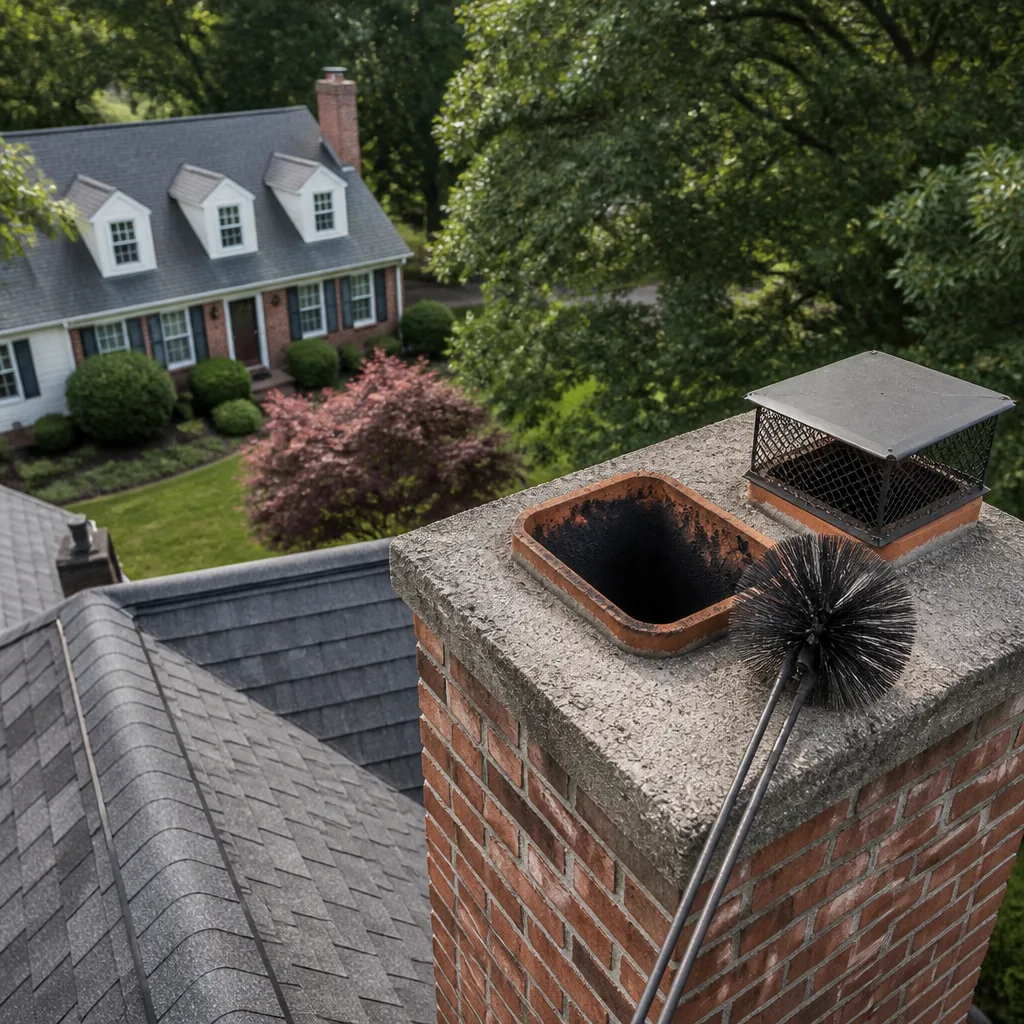
Chimney sweep logs do not sweep chimneys. They loosen some creosote - which then falls where a brush and vacuum still have to collect it.
Chimney Cleaning Permits, Codes & Inspections in GA: What You Need to Know
If your chimney sweep replaces more than a minor section of flue liner during what started as a routine cleaning appointment, you may now have unpermitted work on your property. Most Atlanta homeowners never hear this from their contractor because pulling a permit slows the job down and adds cost to the quote. This guide draws the exact line between maintenance and construction under Georgia code, explains which inspection level you actually need for a home sale, and shows you what to ask before anyone sets foot on your roof. For a deeper dive, see our Complete Guide to Chimney Cleaning in Atlanta.
Styles & brands we work with
Quick Answer
Routine chimney sweeping and visual inspections do not require a permit anywhere in Georgia. However, once the work crosses into repair or replacement, such as installing a new flue liner, rebuilding a firebox, or replacing more than 25% of the chimney structure, you’re under Georgia’s State Minimum Standard Codes, which do trigger permit requirements in most jurisdictions, including Atlanta. A Level 2 chimney inspection, required for real estate transactions, also does not need a permit, but any repairs it reveals likely will.
Table of Contents
- Georgia Code Basics: The Line Between Cleaning and Construction
- How Atlanta City Code Interacts With State Code
- County-Level Differences: Fulton, DeKalb, and Cobb
- NFPA 211 Inspection Levels: What Level 1, Level 2, and Level 3 Actually Mean
- Selling a Home in Atlanta: When a Level 2 Inspection Becomes Mandatory
- Questions to Ask Any Chimney Contractor Before Work Begins
- What Unpermitted Chimney Work Means for Your Homeowner’s Insurance
- Common Mistakes to Avoid
- When to Call a Professional
- Frequently Asked Questions
- The Bottom Line
Georgia Code Basics: The Line Between Cleaning and Construction
Georgia operates under the State Minimum Standard Codes, a set of construction codes that includes the International Residential Code (IRC) for one- and two-family dwellings. The IRC’s chimney and fireplace provisions, found in Chapter 10, govern everything from flue sizing to clearance distances from combustible materials. What they do not govern is the act of sweeping. Cleaning a chimney, removing creosote (the tar-like, highly flammable residue that accumulates from burning wood), and performing a visual Level 1 inspection are classified as maintenance activities. No permit, no inspection, no code review.
The line moves once you start altering, repairing, or replacing components. Here’s what the code treats differently:
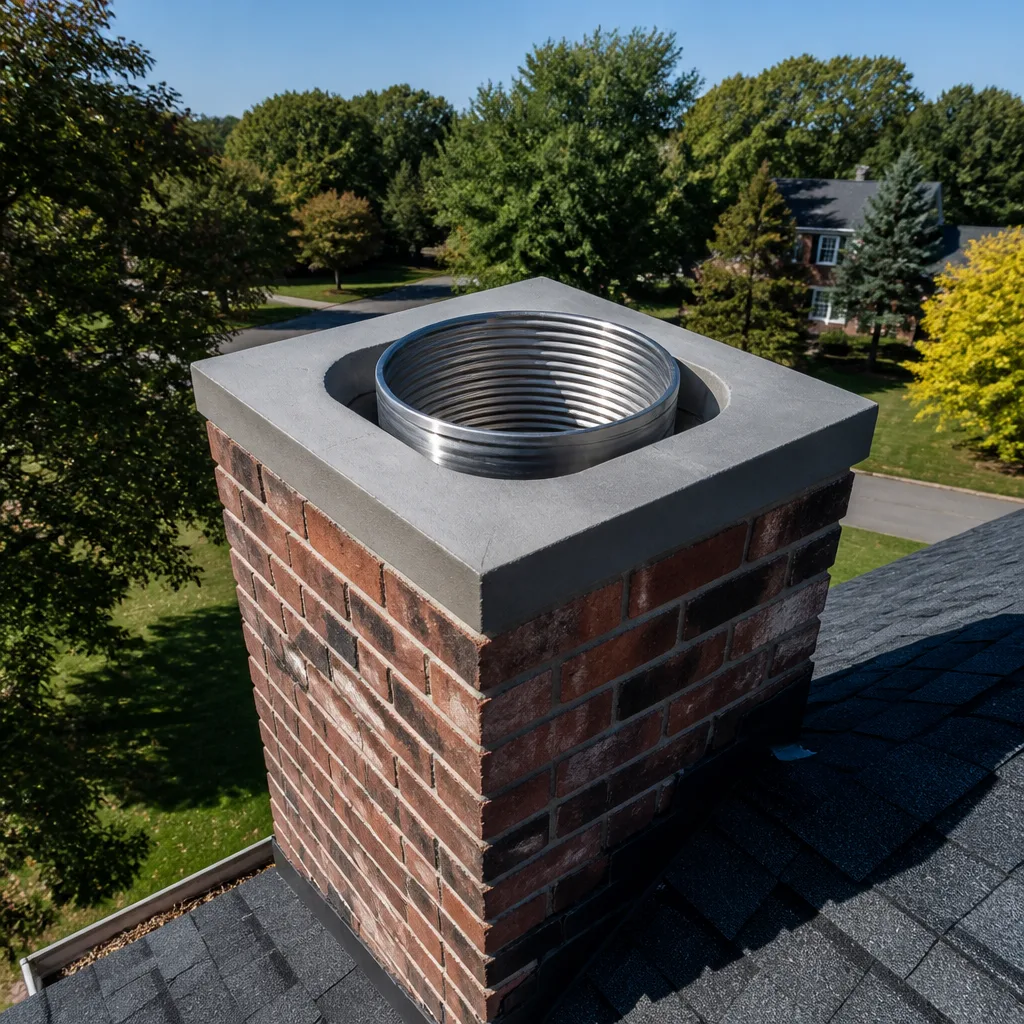
- Flue liner replacement or partial relining: If a sweep discovers cracked or missing clay tiles and recommends inserting a stainless steel liner, that’s a construction activity. Permits are typically required because the liner becomes part of the building envelope and must meet UL listing requirements and sizing calculations.
- Firebox rebuilding: Reworking the masonry where the fire actually burns involves fire-resistance-rated materials. This is structural work, not maintenance.
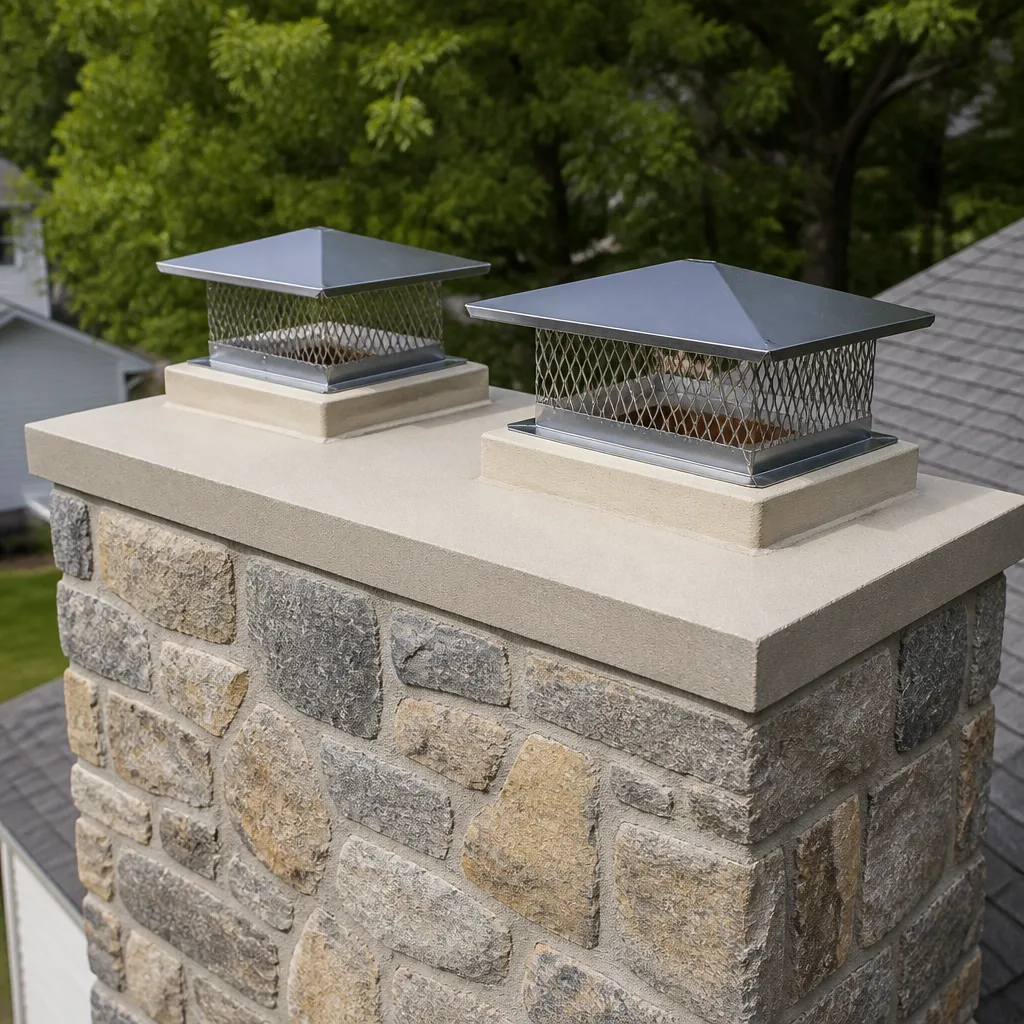
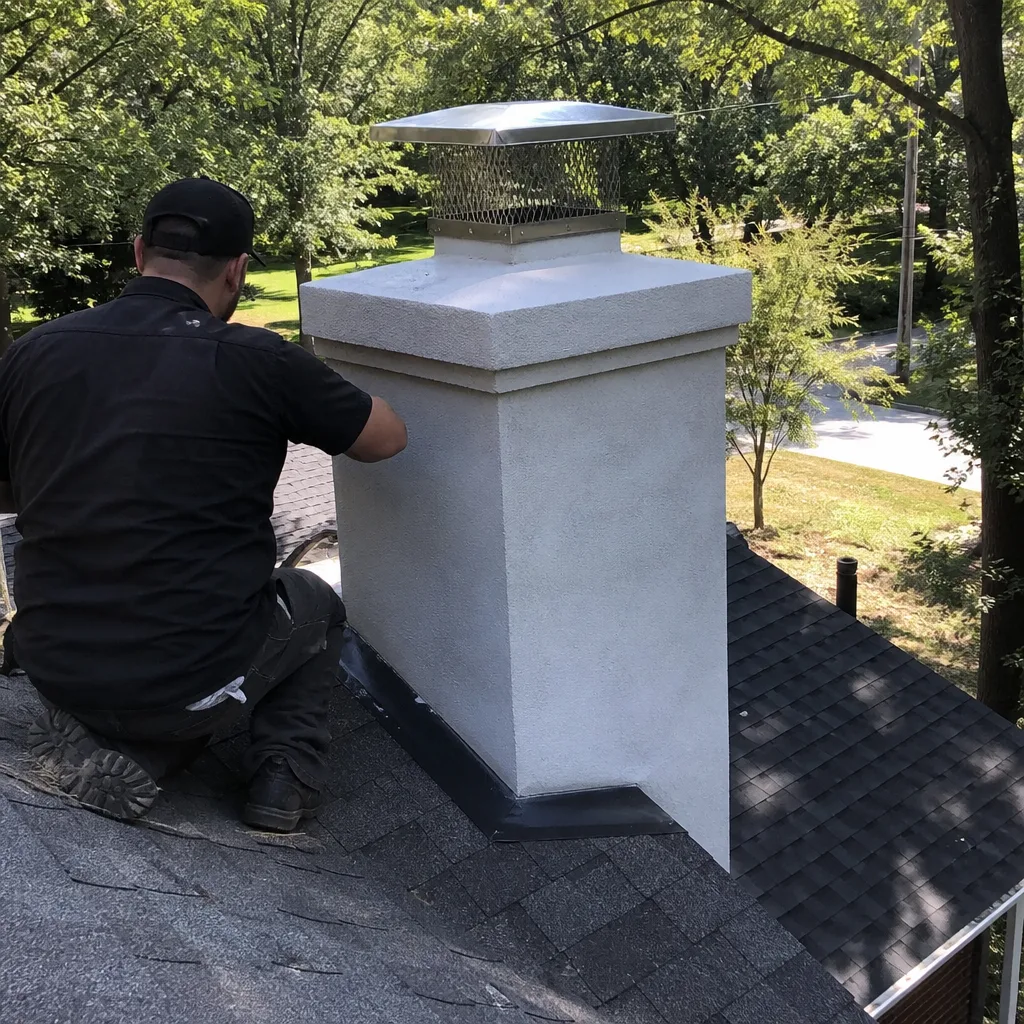
- Chimney crown or cap replacement: A simple cap replacement is generally considered a minor repair and usually does not require a permit in most Georgia jurisdictions. A full crown rebuild, however, can cross into repair territory that does.
- Smoke chamber parging or resurfacing: Products like HeatShield are applied to smooth the smoke chamber and seal gaps. Because this is a repair that alters the flue’s interior dimensions and restores its fire-resistance rating, some jurisdictions in metro Atlanta view it as permitted work. Others lump it under maintenance. In our experience serving Alcott Chimney Atlanta home customers across the metro area, the interpretation varies by county inspector.
- Rebuilding more than 25% of the masonry chimney: Under the Existing Building Code provisions Georgia adopts, replacement of a substantial portion of the chimney structure triggers full code compliance, including permits and inspections.
The Georgia State Minimum Standard Codes are amended periodically. The state is currently under the 2018 IRC with Georgia amendments, though local jurisdictions can adopt newer editions. A contractor who tells you “we don’t need permits for this” without knowing which edition applies to your specific municipality is guessing. You deserve better than a guess.
How to Tell If Your Job Is Maintenance or Construction
Ask one question: “Are we changing the way the chimney was originally built, or are we restoring it to its original condition?” Cleaning, sweeping, and removing creosote restore the chimney to its intended working state. Those activities are maintenance. Replacing a component, changing materials (for example, from clay tile to Chimney Sweep in Atlanta standards with a stainless DuraFlex liner), or altering dimensions are construction. When the answer is construction, the permitting conversation starts.
How Atlanta City Code Interacts With State Code
The City of Atlanta operates its own building department, the Office of Buildings, which enforces the state minimum codes plus local amendments. Atlanta has adopted the state codes with some city-specific overlays, particularly around historic districts. If your home is in a designated historic district like Inman Park, Grant Park, or Adair Park, chimney work that is visible from the street, including repointing and rebuilding, may also require review by the Urban Design Commission. That review is separate from the building permit and adds time to the process.
For a standard chimney sweep or Level 1 inspection in Atlanta, neither the city nor the state requires anything from the homeowner. The technician shows up, does the work, and leaves. There is no filing, no approval, no inspection.
For repairs and replacements, however, Atlanta’s permit process generally requires:
- A completed permit application describing the scope of work.
- A contractor with a valid Georgia state license, if the work requires a licensed trade (most chimney liner installations do because they interact with the home’s structural and fire-protection systems).
- An inspection by a city inspector once the work is complete, before the chimney is put back into service.
What surprises many Atlanta homeowners is that the distinction between “repair” and “replacement” is not always obvious. A chimney sweep who pulls out a cracked clay tile and slips in a small section of replacement tile may be doing repair work that does not need a permit. The same sweep who says, “Your flue is compromised; we need to install a full stainless liner,” is describing replacement work that almost certainly does require a permit in the City of Atlanta. If the contractor cannot tell you which category your job falls into, that is a red flag.
County-Level Differences: Fulton, DeKalb, and Cobb
Atlanta’s boundaries are famously irregular, and many addresses that say “Atlanta” are actually in unincorporated Fulton, DeKalb, or Cobb County. The jurisdiction matters because each county enforces the state codes through its own building department, and the threshold for what qualifies as “minor repair” can shift.
In unincorporated Fulton County, the Department of Community Development handles permitting. Fulton has historically taken a strict view on liner installations, requiring permits for full relining jobs whether the original liner was clay or metal. Routine sweeping remains unregulated.
In unincorporated DeKalb County, the Development Services Department applies the state codes with particular attention to fire-safety compliance. DeKalb inspectors tend to ask for documentation on the liner’s UL listing and the installer’s qualifications. If you’re in a DeKalb community like North Druid Hills or Tucker, expect the liner paperwork to matter.
In unincorporated Cobb County, the Development and Inspections Division is known for a more permissive stance on minor chimney repairs, but full liner replacements and chimney rebuilds still go through the standard permitting process. Communities like Vinings and Mableton fall under Cobb’s jurisdiction.
The safest approach for any Atlanta-area homeowner is simple: before you sign a repair contract, ask the contractor which jurisdiction governs your address and whether they have pulled permits in that county before. A contractor who works Chimney Inspection in Atlanta neighborhoods every week should be able to answer without hesitation.
NFPA 211 Inspection Levels: What Level 1, Level 2, and Level 3 Actually Mean
NFPA 211 is the National Fire Protection Association standard that governs chimneys, fireplaces, vents, and solid fuel-burning appliances. Its three inspection levels are the framework every reputable chimney professional works within. Understanding these levels before you call a sweep will help you avoid paying for an inspection that does not match your needs, or worse, getting an inspection that misses something important. Our Chimney Sweep Maintenance Checklist for Atlanta Homeowners walks through what to expect at each stage.
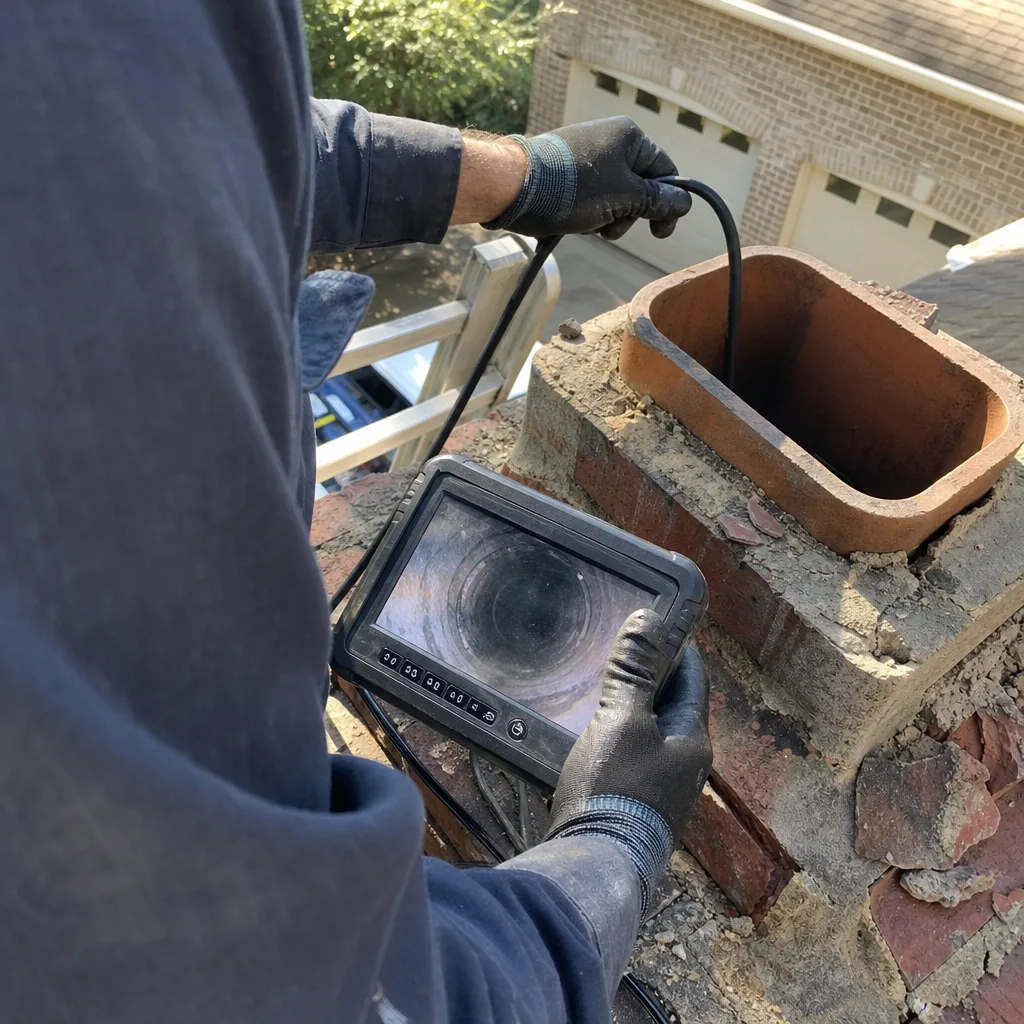
Level 1 Inspection: This is the inspection included with a standard chimney sweep. The technician examines the readily accessible portions of the chimney interior and exterior, verifies the flue is free of obstructions and combustible deposits, and checks the basic condition of the fireplace, damper, and exterior masonry. Level 1 is appropriate when you’ve used the chimney the same way for years and nothing has changed.
Level 2 Inspection: This is the deeper evaluation required when any part of the system changes: you’re selling a home, buying a home, changing fuel type, replacing an appliance connected to the flue, or the chimney has been through a fire, earthquake, or severe weather event. A Level 2 inspection includes everything in Level 1 plus examination of accessible portions of attics, crawl spaces, and basements, and the chimney exterior from the roof line up. It often uses video scanning technology. In Atlanta, where severe thunderstorms and the occasional tornado can shift a chimney’s structural alignment, Level 2 inspections are increasingly standard for real estate transactions.
Level 3 Inspection: This is the invasive inspection reserved for cases where a Level 1 or Level 2 reveals a suspected problem that requires removing components like drywall, masonry, or the hearth to see inside. Level 3 is rare and usually only ordered when a serious hazard is suspected but cannot be confirmed without opening the structure.
Who Pays for the Inspection in an Atlanta Home Sale?
In Atlanta’s current real estate market, which tightened in 2024 and has remained competitive into 2026, the question of who pays for a Level 2 chimney inspection has shifted. Historically, buyers requested the inspection and bore the cost. Today, many Atlanta sellers are proactively ordering Level 2 inspections before listing to avoid losing a deal over a chimney issue that surfaces later. The cost is typically $250 to $500 in the Atlanta metro area, less than a standard home inspection add-on, but it can prevent a pending sale from collapsing. If you’re selling, having the inspection done before you list means any repairs are completed on your timeline, not negotiated under a closing deadline.
Selling a Home in Atlanta: When a Level 2 Inspection Becomes Mandatory
Georgia law does not mandate a chimney inspection as part of every home sale. However, the practical reality of selling in Atlanta makes a Level 2 inspection nearly unavoidable in most transactions. Why? Because standard home inspections include a cursory visual check of the chimney exterior, and lenders with FHA, VA, and many conventional loan programs now explicitly require a Level 2 chimney inspection if the home inspector flags any chimney concern, no matter how minor.
Here’s how the sequence typically plays out in Atlanta:
- The buyer’s general home inspector notes a visible crack, spalling brick, or missing mortar joint on the chimney from ground level.
- The lender or buyer’s agent requests a specialized chimney inspection.
- A Level 2 inspection is scheduled, usually by the buyer, sometimes by the seller to keep the deal moving.
- The Level 2 inspection reveals whether the issue is cosmetic or structural.
- If repairs are required, the question of permits enters the conversation, and this is where deals get complicated.
If you’re selling a home in Atlanta and you know your chimney hasn’t been professionally inspected in the last two years, the smartest move is to order a Level 2 inspection before listing. It costs a few hundred dollars and gives you options: fix the problem on your timeline, disclose the issue honestly to buyers, or negotiate from a position of knowledge rather than surprise. Sellers who wait for the buyer’s inspection report often end up paying a premium for rush repairs under contract deadlines.
What Happens If a Buyer Asks for Repair Receipts?
In Atlanta’s market, buyers represented by experienced agents almost always ask for documentation of any chimney repairs completed before closing. That documentation includes the contractor’s invoice, the permit (if one was required), and the final inspection sign-off. If repairs were completed without a permit, the closing can stall while the title company works through disclosure requirements. This is where unpermitted work that seemed cheaper six months ago becomes an expensive problem today.
Questions to Ask Any Chimney Contractor Before Work Begins
We’ve watched Atlanta homeowners get talked into unpermitted work because they didn’t know what to ask. A contractor who cannot answer the following questions cleanly and confidently is not someone you want working on your chimney:
- “Which code standard are you working to?” The answer should be immediate: “NFPA 211 and the Georgia State Minimum Standard Codes, with any local amendments for your jurisdiction.” A blank stare is the wrong answer.
- “Does this job require a permit in my county or city?” The contractor should be able to tell you which jurisdiction governs your address and whether the specific work triggers a permit. If they say “we don’t need permits” without explaining why the work qualifies as maintenance, ask for that explanation in writing.
- “What inspection level am I getting?” A Level 1 inspection is what comes with a sweep. A Level 2 inspection is what you need for a home sale or a changed system. Make sure the contractor tells you which one you’re paying for.
- “Are you providing a written report with photos or video?” Any chimney professional worth their salt documents findings. For Level 2 inspections in Atlanta, video scanning is standard practice. A contractor who cannot show you what they saw is asking you to trust them without evidence.
- “What materials will you use for the liner or repair?” Professional trade brands like Olympia Chimney, DuraFlex, and Copperfield are the standard for liner systems. Box-store substitutes are not equivalent. If the contractor cannot name the brand they install, walk away.
- “Who is the person coming to my home?” This is a question Atlanta homeowners ask more than any other. You should know the technician’s name and have seen their face before they arrive. Background-checked, identity-verified technicians are the standard we hold ourselves to, and you should hold any contractor to it too.
What Unpermitted Chimney Work Means for Your Homeowner’s Insurance
The insurance conversation is where unpermitted chimney work stops being a compliance annoyance and becomes a financial liability. Georgia homeowners insurance policies, like most across the country, contain language requiring that any modifications to the home comply with local building codes in effect at the time the work was done. When you file a claim, the insurance company’s adjuster will look for two things: the cause of the loss and whether the loss was made worse by improper construction or unpermitted work.
Here’s the scenario we hear about from Atlanta homeowners more than any other:
A homeowner pays a contractor to install a stainless steel chimney liner. The contractor does not pull a permit. The work looks fine from the outside. Two years later, a chimney fire starts behind the liner, spreads into the attic, and causes $40,000 in damage. The homeowner files a claim. The adjuster discovers the liner was installed without a permit. The insurance company denies the claim on the grounds that the unpermitted work violated the policy’s building code compliance clause. The homeowner is now on the hook for the full repair cost, and the contractor who did the work is long gone.
This is a worst-case scenario, but it is not hypothetical. We hear versions of this story often enough that it shapes how we advise every customer. The permit is not just a fee and a delay. It is the piece of paper that stands between you and a denied claim if something goes wrong.
What If the Previous Owner Did Unpermitted Work?
If you bought a home and later discover the previous owner completed unpermitted chimney work, you are not automatically liable for the prior owner’s decisions, but you may be responsible for bringing the work into compliance before your insurance company will cover the chimney. The solution is typically a Level 2 inspection to assess the current condition, followed by any repairs needed to bring the chimney up to current code. In some Atlanta jurisdictions, a homeowner can apply for an after-the-fact permit if the work was done by the previous owner and can be inspected and passed. Every county handles this differently, so the first call should be to your local building department, not to an insurance adjuster.
Common Mistakes to Avoid
- Assuming all chimney work is permit-free. Routine sweeping is maintenance, but liner replacement, firebox rebuilding, and chimney reconstruction are construction. Atlanta’s city code draws this line clearly, and crossing it without a permit is a problem waiting to surface.
- Hiring the cheapest sweep and skipping the inspection. A sweep that doesn’t include at least a Level 1 inspection is incomplete. In Atlanta’s humid climate, which accelerates masonry deterioration, a visual-only sweep can miss water intrusion and creosote buildup in hidden cavities.
- Taking the contractor’s word that “we don’t need a permit” without asking why. The correct answer is specific: which code, which jurisdiction, which work category. Anything less is evasion.
- Overlooking the county line problem. An address that says Atlanta could be in City of Atlanta, unincorporated Fulton, unincorporated DeKalb, or unincorporated Cobb. Each has different permitting practices. A contractor who doesn’t know your jurisdiction is guessing.
- Skipping a Level 2 inspection when selling. The buyer’s lender will likely require one if the general inspection flags anything. Doing it before listing costs less than negotiating repairs under deadline and can keep a deal from falling apart.
- Accepting unpermitted repair receipts at closing. Buyers in Atlanta should insist on permit documentation for any chimney work completed by the seller. Without it, you may be inheriting a compliance problem.
- Assuming your insurance will cover a chimney fire no matter what. Most Georgia policies include building code compliance clauses. Unpermitted work gives the insurer grounds to deny a claim, even if the work itself did not directly cause the fire.
When to Call a Professional
Call a professional chimney company when you’re preparing to sell a home and need a Level 2 inspection, when your chimney has been through a severe Atlanta storm or a house fire, when you see cracked or spalling brick on the exterior, when you smell smoke in the house after the fire is out, or when you’ve been burning wood for 12 months or more without a sweep. These are the moments when a trained eye with video inspection equipment saves you thousands. Gas Fireplace Repair in Atlanta customers tell us the same thing: the cost of service is modest, but the cost of ignoring a problem is not. Alcott Chimney Atlanta offers free estimates in Atlanta – call (762) 356-6423.
Frequently Asked Questions
A standard chimney sweep with a Level 1 inspection typically runs $180 to $300 in the Atlanta metro area, depending on the height of your chimney, accessibility of your roof, and whether your home is in the city or in surrounding counties. A Level 2 inspection, which includes video scanning, typically costs $250 to $500. Repairs are priced separately and range widely based on what the inspection reveals. Call (762) 356-6423 for an exact quote – estimates are free.
No, routine chimney sweeping and Level 1 inspections do not require a permit anywhere in Georgia, including the City of Atlanta and all surrounding counties. These are classified as maintenance activities under the state’s construction codes.
A liner is only needed when the existing flue is cracked, missing, improperly sized, or no longer meets current safety standards. The way to know for sure is a Level 2 inspection with video documentation. Any contractor recommending a liner should be able to show you the video or photos that justify it. If they cannot show you the evidence, get a second opinion. At Alcott, we provide camera evidence for every liner recommendation, and we tell you plainly when work can safely wait. Call (762) 356-6423 to schedule an inspection.
The National Fire Protection Association recommends sweeping your chimney when there is 1/8 inch or more of creosote buildup, or at least once per year if you use your fireplace regularly. In Atlanta, where mild winters create short, hot fires rather than long, slow burns, creosote accumulation can actually be faster because homeowners tend to burn hotter and less completely.
Creosote builds up, restricts airflow, and becomes increasingly flammable. A chimney fire can reach temperatures over 2,000 degrees Fahrenheit, hot enough to crack the flue liner and spread into the home’s structure. You may also experience smoke backing into the house, which introduces carbon monoxide risk. The longer you skip it, the more expensive the correction becomes. A $200 sweep is far cheaper than a $4,000 liner replacement or a $40,000 fire damage claim.
You can visually inspect the exterior and firebox yourself, but a proper inspection requires equipment and training. Chimney cleaning involves climbing onto a roof, which carries fall risk, and working with creosote, which is a respiratory irritant. We recommend a professional for the actual sweep. If you are determined to attempt it anyway, never work on a roof without proper fall protection, and understand that you cannot effectively inspect the interior of a flue without the right tools.
The Bottom Line
The line between maintenance and construction is the line between “no permit needed” and “you now have unpermitted work on your property.” Routine sweeping and Level 1 inspections are always maintenance. Liner replacement, firebox rebuilding, and substantial chimney reconstruction are construction, and they trigger Georgia’s permit requirements. Before you hire anyone, ask which code they work to, whether your specific job needs a permit in your specific jurisdiction, and what inspection level you’re paying for. Get the answers in writing. And when it’s time for the work itself, know exactly who is coming to your door before they arrive. For more guides & resources on keeping your chimney safe and compliant, visit our blog.
Written by Ruben Castellano, Owner at Alcott Chimney Atlanta, serving Atlanta since 2002.
See the difference
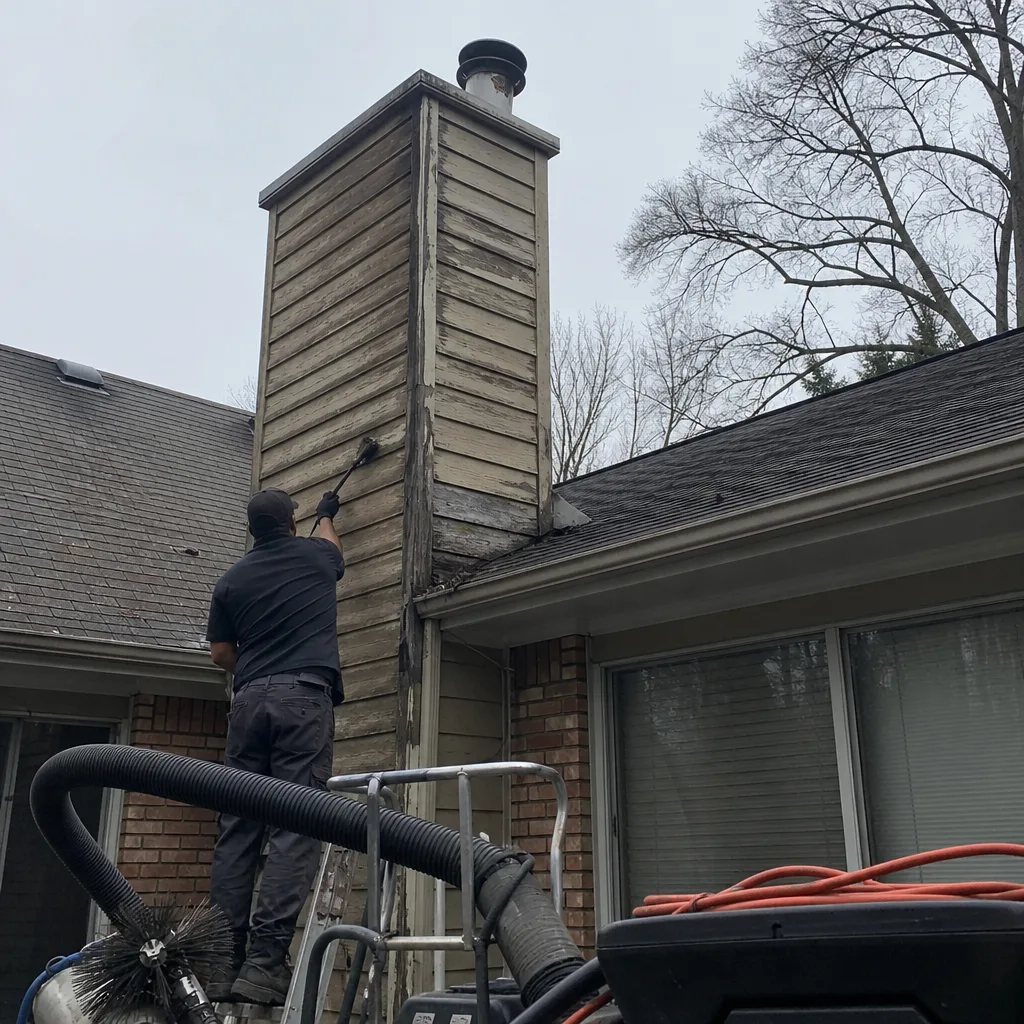 Before
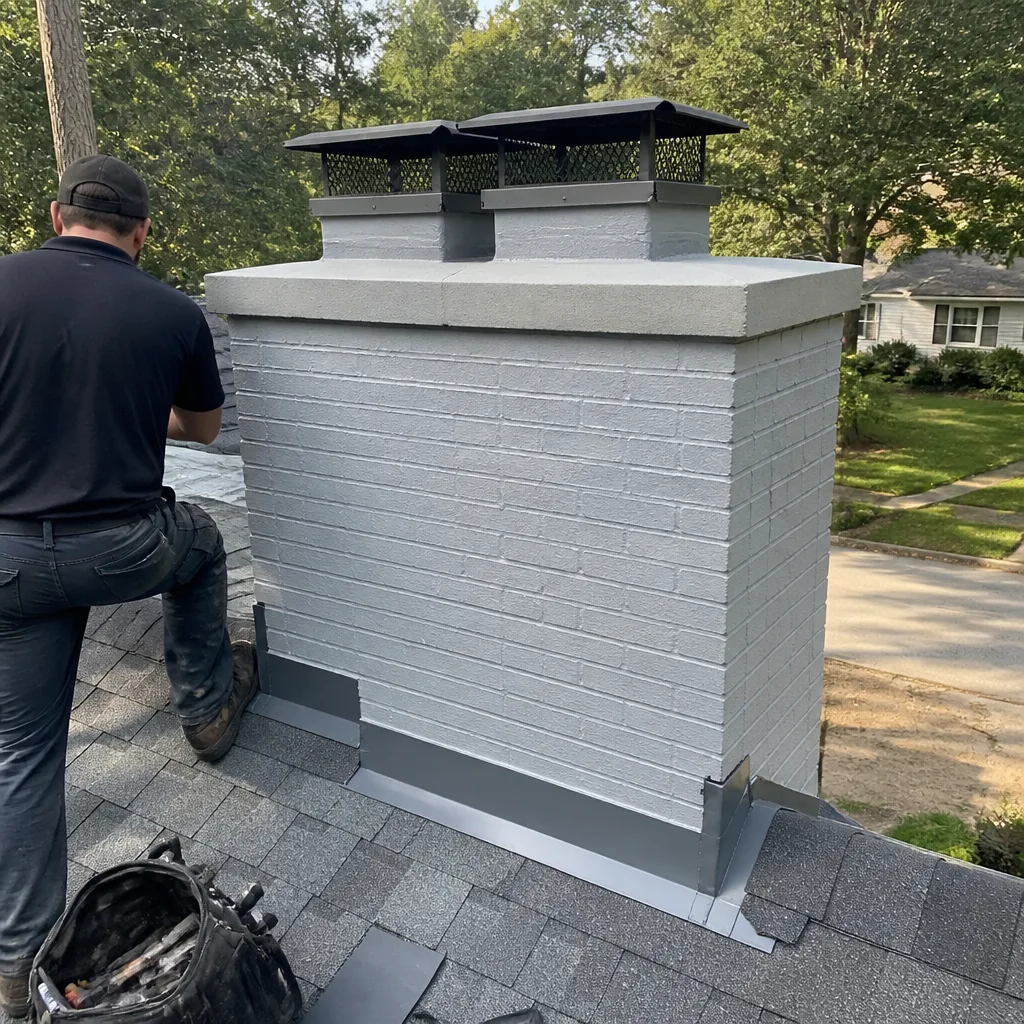 After
After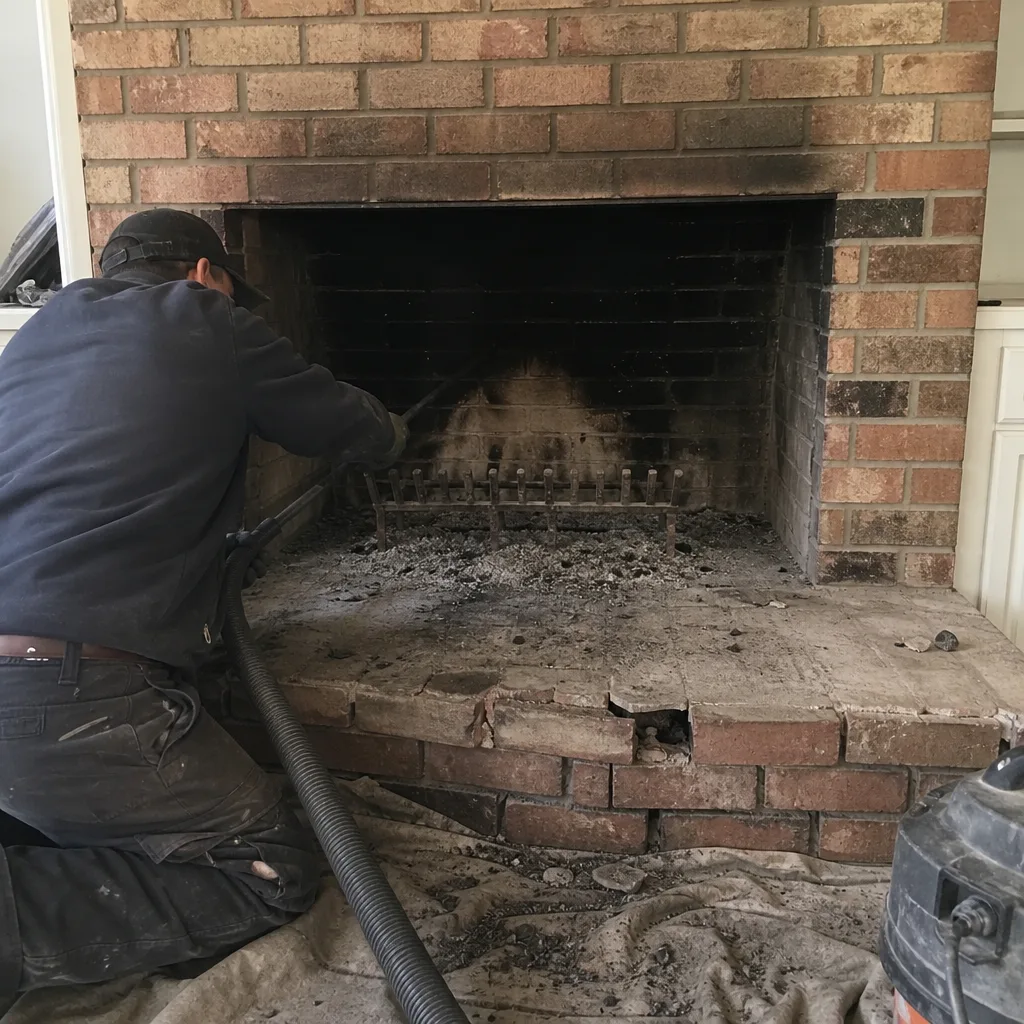 Before
 After
After Before
 After
After