
Last updated October 15, 2026
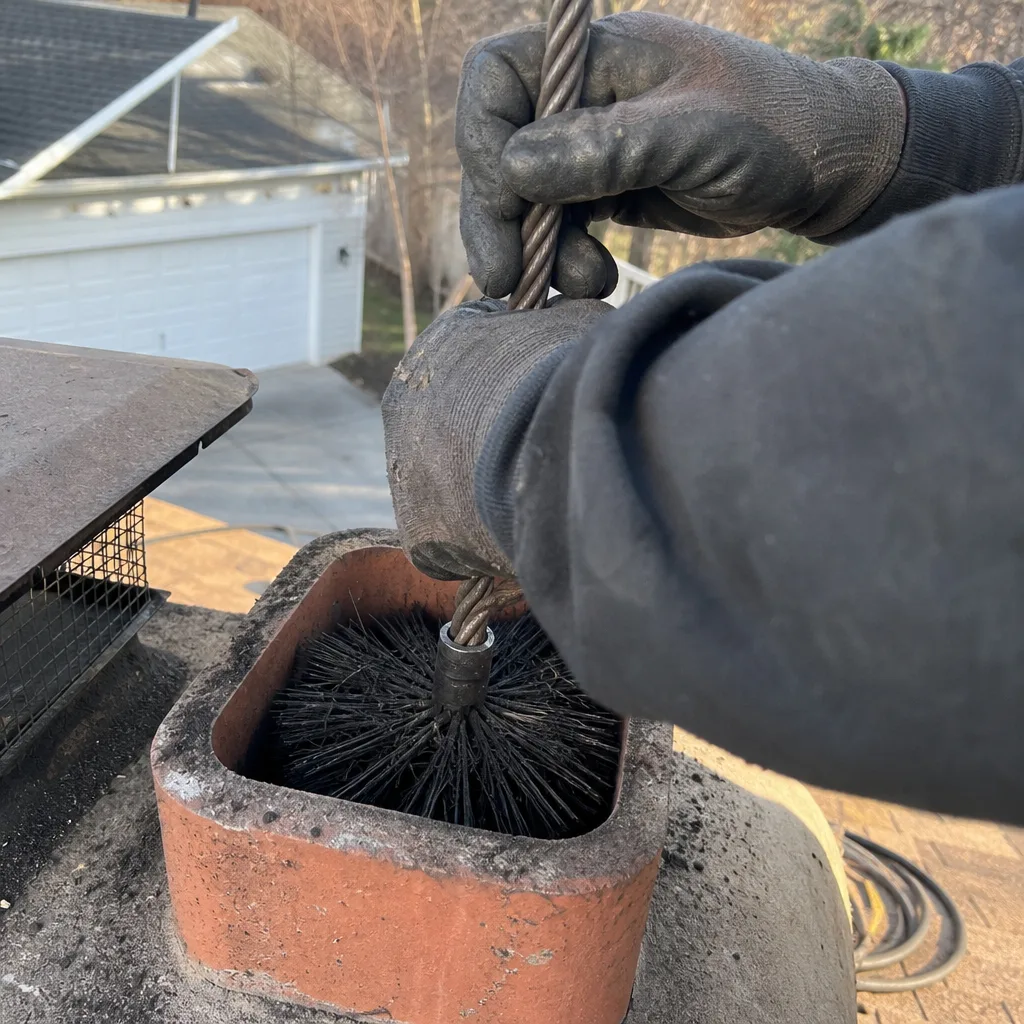
 Sweep & inspection
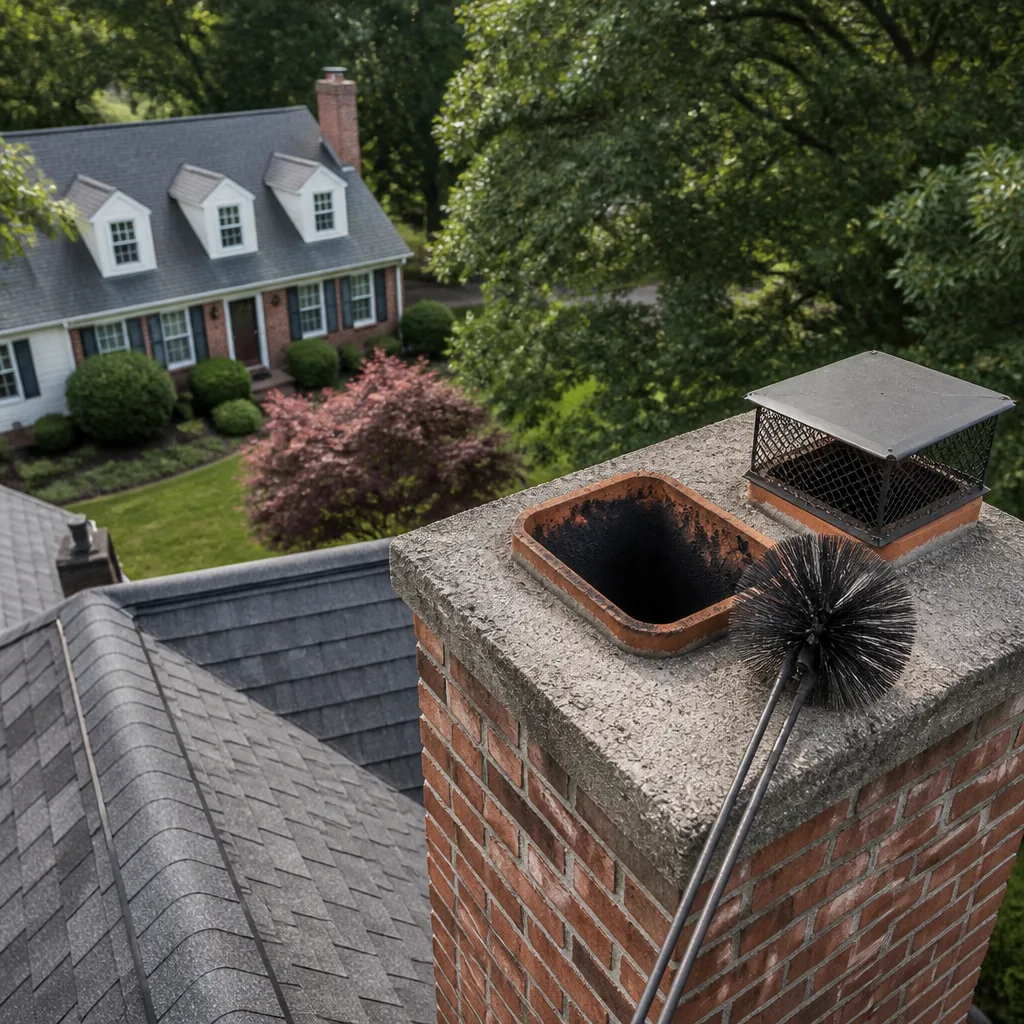
 Caps & crowns
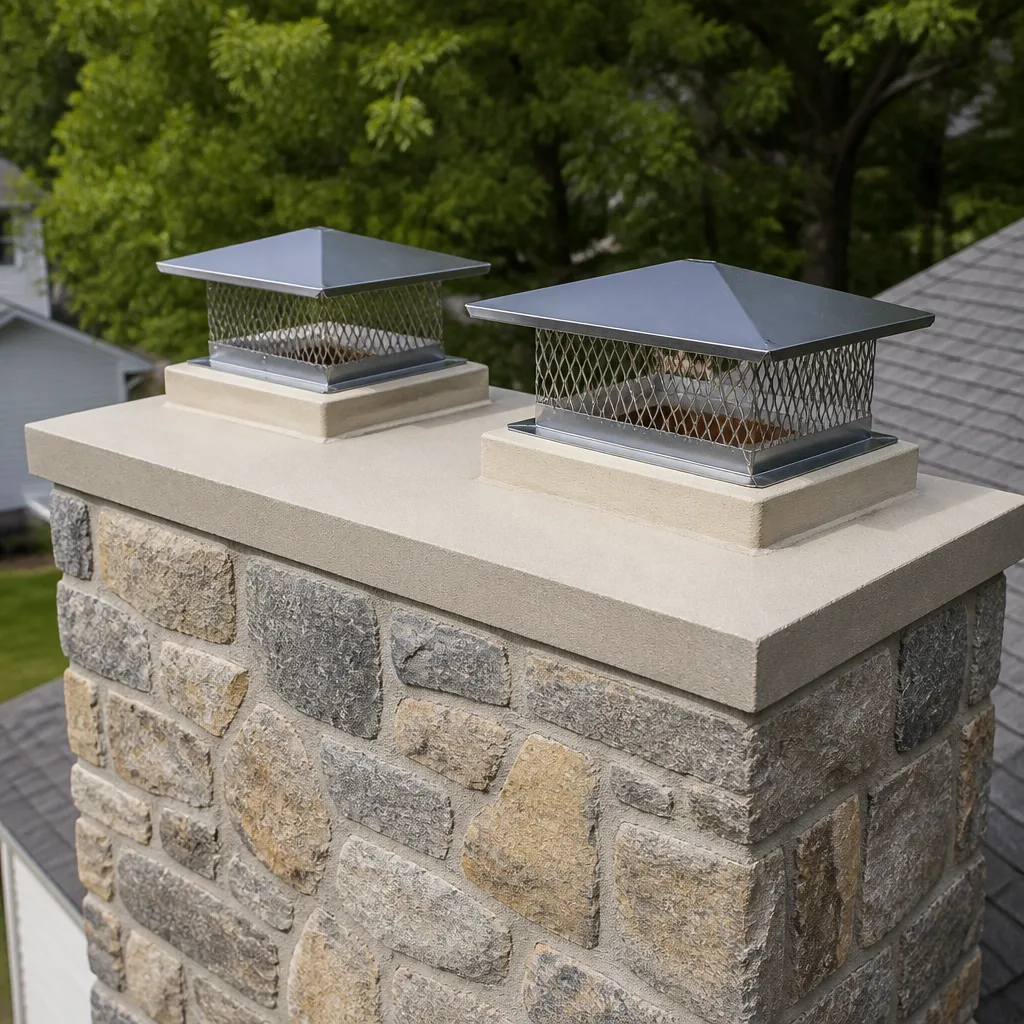
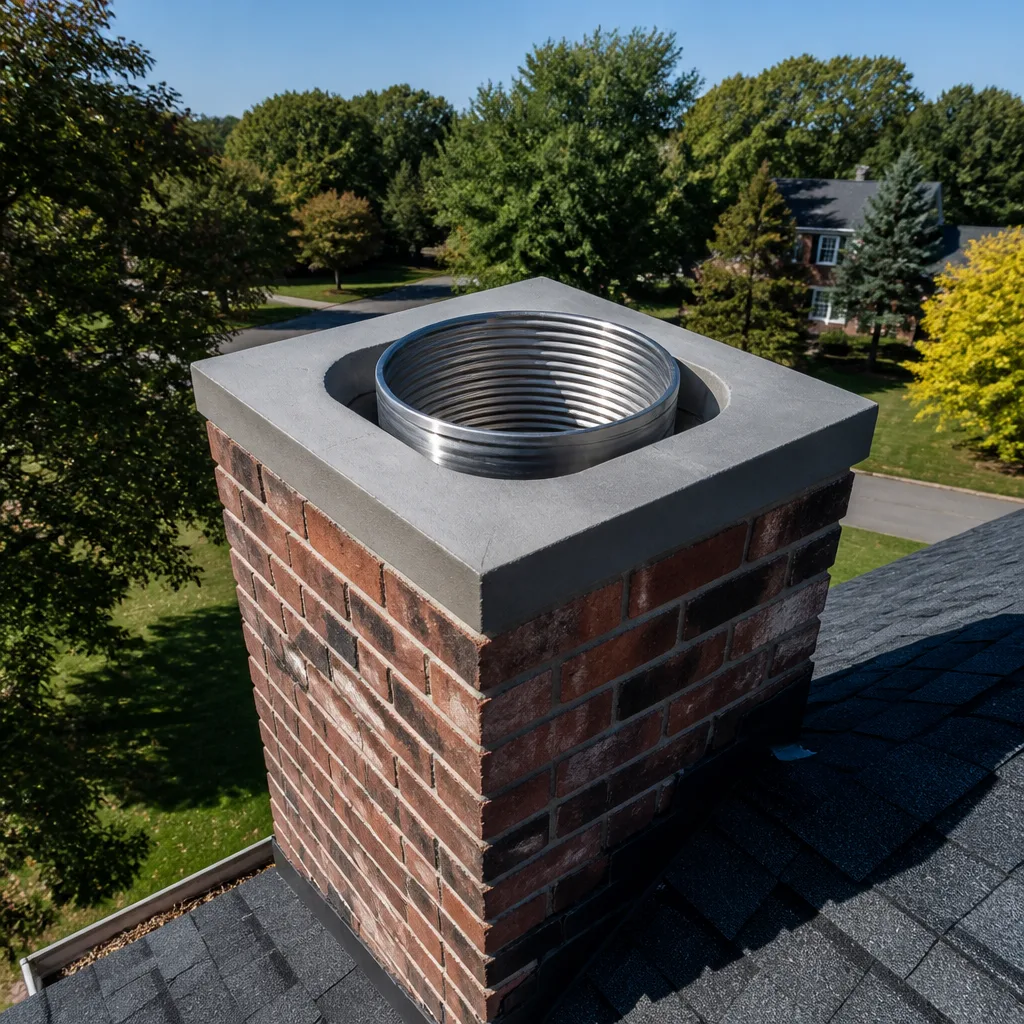 Flue relining
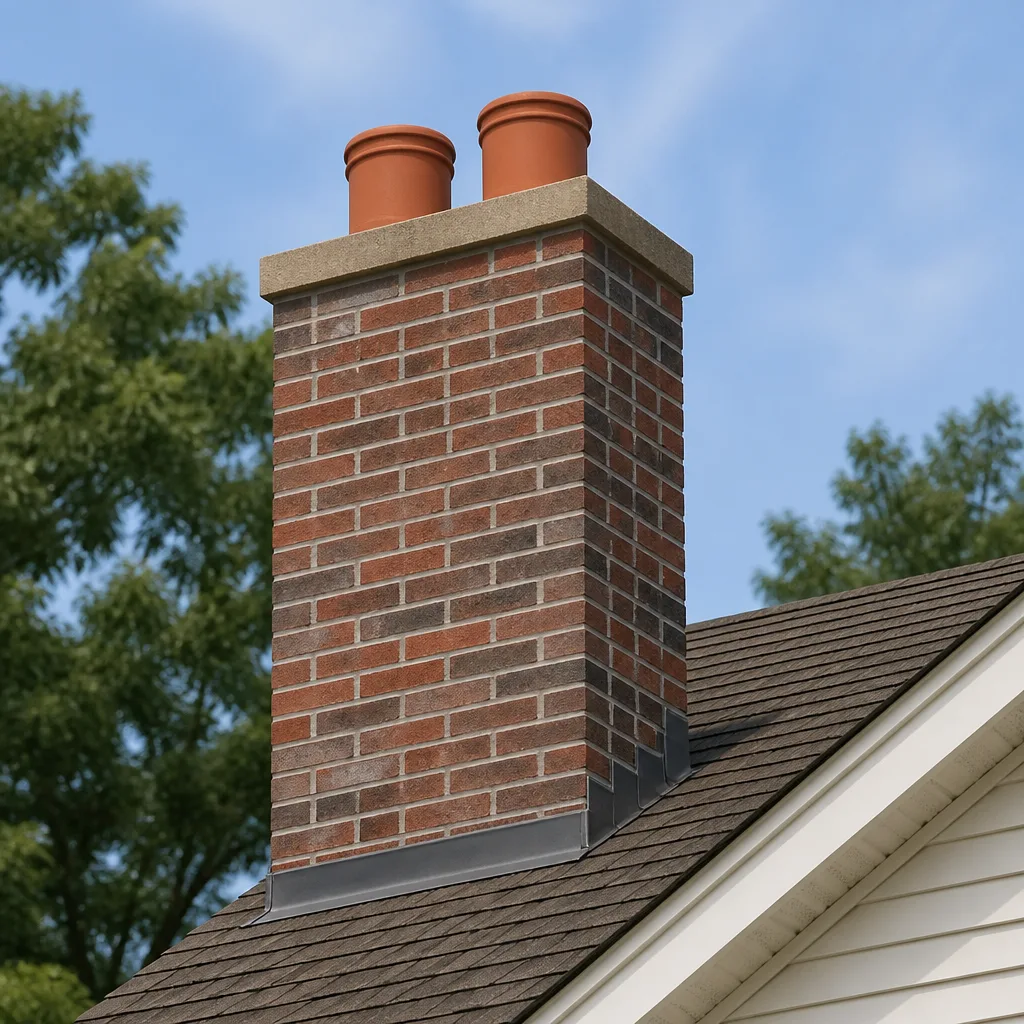 Masonry repair
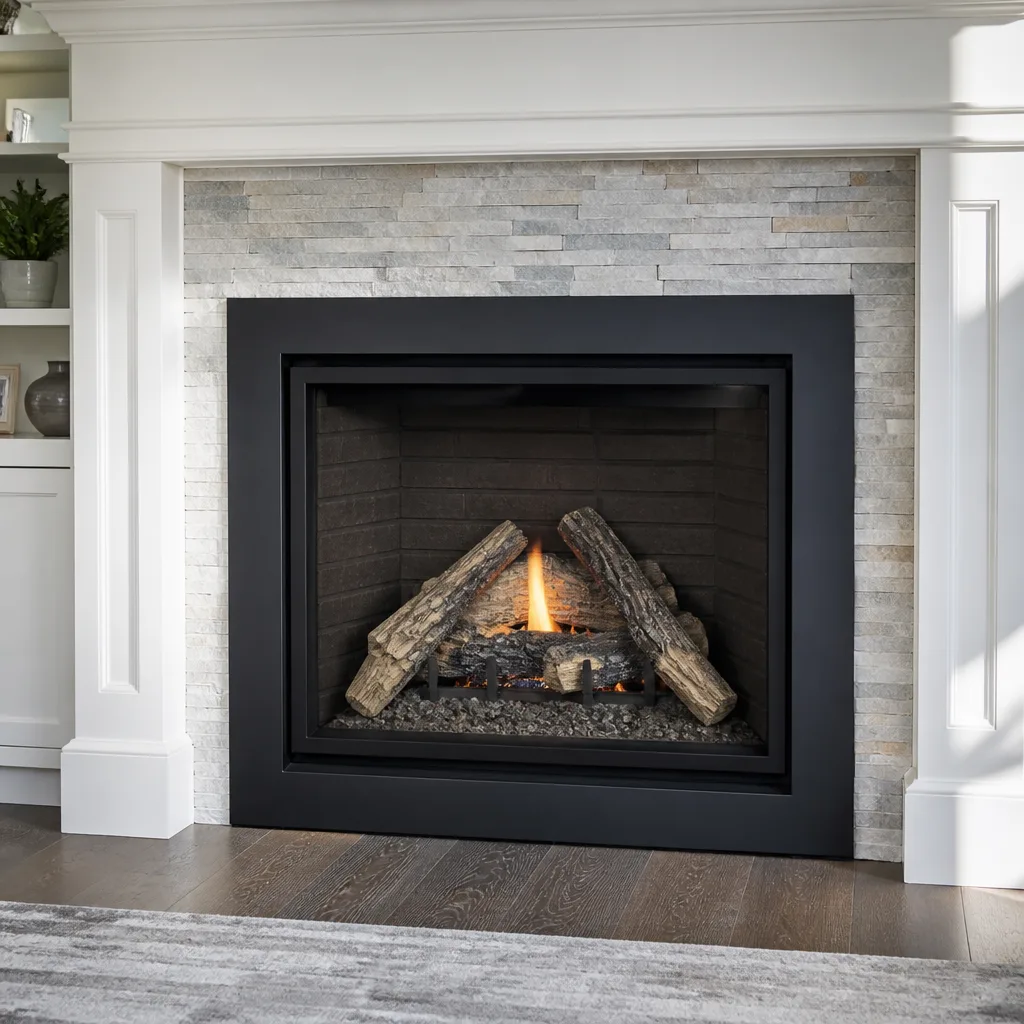 Gas fireplace service
Level 1 sweep and inspection to the NFPA 211 annual standard - flue, crown, cap, and flashing checked and photographed
Chimney sweep logs do not sweep chimneys. They loosen some creosote - which then falls where a brush and vacuum still have to collect it.
Chimney Sweep Maintenance Checklist for Atlanta Homeowners
The six months your Atlanta chimney sits unused from April through September aren’t neutral downtime. They’re the most destructive window of the year. Atlanta’s average relative humidity hovers above 60% from April through October, and that moisture works its way into your flue, your mortar joints, and your damper assembly while nothing is burning. When you light that first fall fire in November, you’re not starting fresh. You’re igniting whatever chemistry has been happening in the dark all summer. This guide is a month-by-month checklist built around Atlanta’s actual climate, soil, and seasonal use patterns, not a generic four-season template that treats a chimney in Phoenix the same as one in Decatur. For more detailed guidance, see our Complete Guide to Chimney Cleaning in Atlanta. You’ll learn what to check from the ground, what to document, when to call a sweep, and the exact questions to ask after service so you can verify the work was done as described.
Quick Answer
For an Atlanta chimney, the maintenance checklist that matters most is: an annual professional Chimney Sweep and inspection before your first fall fire, monthly visual checks of the exterior mortar cap and flashing during spring and summer storms, keeping your damper fully closed through the humid season, and documenting the firebox floor with photos every 90 days. Atlanta’s red clay soil settlement and sub-tropical summers make exterior pointing, cap inspection, and moisture control more important than almost anything else on a national checklist.
Styles & brands we work with
Table of Contents
- Why Atlanta Chimneys Fail Differently
- The Month-by-Month Atlanta Maintenance Calendar
- Five Exterior Checkpoints You Can Safely Inspect From the Ground
- What the Firebox Floor and Smoke Chamber Tell You Before Any Professional Arrives
- How to Document Your Chimney’s Condition Year Over Year
- Questions to Ask After Every Sweep or Repair
- Common Mistakes to Avoid
- When to Call a Professional
Why Atlanta Chimneys Fail Differently
Most national chimney maintenance guides were written for houses in New England or the Midwest, where chimneys work hard all winter and freeze-thaw cycles are the primary adversary. Atlanta is a different animal. Our winters are mild enough that many homeowners in Fayetteville, Marietta, and Brookhaven skip the annual sweep because they only burn 25 or 30 fires a season. That assumption, that light use means light maintenance, is exactly what gets Atlanta chimneys into trouble. Here’s what actually drives failure in this region.
First, red clay soil. Atlanta sits on some of the most expansive clay soil in the Southeast. It swells when wet and contracts when dry, and it does this continuously beneath your foundation. Over the course of a decade, this movement shifts the chimney structure a few millimeters at a time. You won’t feel it in the house, but you can see it in hairline cracks that open at the shoulder, that transition point where the chimney narrows above the roofline. Those cracks admit water, and water in a Georgia summer does not dry out. It sits in the masonry and expands the damage year after year.
Second, humidity. Atlanta averages 16 to 18 days of measurable rain from June through August, and the relative humidity rarely drops below 55% even on dry days. When your flue sits dormant from May through October, that moisture-laden air settles inside the chimney. Moisture bonds with any residual creosote left from the prior winter, forming a sticky, acidic compound that etches into flue tiles and accelerates mortar deterioration. The damage is invisible from the firebox, which is why a chimney inspection in Atlanta often reveals degradation that the homeowner never suspected.
Third, the mild winter itself. Homeowners who do burn often fire up the chimney in November without checking seven months of accumulated debris. Squirrels, birds, and wasps don’t take the summer off. A chimney cap that’s loose, or a damper left slightly open, invites nesting. The first fire of the season is the most common flashpoint for a chimney fire because it ignites both old creosote and whatever organic material has collected since spring.
If you’re looking for a Chimney Sweep in Atlanta, the conversation should start with these local variables, not with a generic price menu. The right sweep knows that Atlanta maintenance is about moisture management first and creosote removal second.
The Month-by-Month Atlanta Maintenance Calendar
The following calendar is built around Atlanta’s actual weather records and burn patterns. It assumes you use your fireplace occasionally from November through March, which is the norm for the metro area. Adjust dates slightly if you live at higher elevation in the northern suburbs where the season starts a few weeks earlier.
January – February: Active Burn Season
- Burn only seasoned hardwoods. Atlanta firewood vendors often sell oak and hickory that’s been split for six months or less. If your wood hisses when it burns or leaves a wet, black tar on the glass doors, it’s not ready. Wet wood produces more creosote per hour than anything else you can control.
- Keep your damper fully open while burning and closed tightly when the fire is completely out. A damper left slightly ajar in February lets cold, damp air pour down the flue and condense on the smoke shelf.
- Check the firebox floor after every third or fourth fire. A quarter-inch of ash is fine. More than that reduces airflow and forces the fire to burn cooler, which means more creosote production.
March: End-of-Season Responsibilities
- Stop burning by mid-March, or earlier if Atlanta’s spring rains arrive. Burning during humid months does nothing for indoor comfort and forces the chimney to process damp air.
- Do not vacuum the firebox immediately after your last fire. Embers can stay live for 48 to 72 hours. Wait at least three days, then remove the ash to about a half-inch layer.
- Schedule your annual sweep and inspection now. Many Atlanta chimney companies, including Alcott Chimney Atlanta, have shorter wait times in March and April than in October and November, when every homeowner in the metro area calls at once.
April – May: Storm Season Assessment
- After each significant spring thunderstorm, walk outside and look at the chimney crown, the concrete slab that caps the masonry. You’re looking for standing water, new cracks, or pieces of concrete on the roof or ground below. Atlanta’s spring storms are quick but violent, and hail damage to chimney caps is more common than most homeowners realize.
- Check the flashing, the metal band where the chimney meets the roofline. From the ground, look for visible gaps or lifted sections. Water that gets behind the flashing travels down the exterior masonry and into the attic, and you won’t see the damage until it’s stained a ceiling.
- Close the damper fully and keep it closed. Some Atlanta homeowners leave it open for ventilation in spring. That’s a mistake. The humidity you think you’re ventilating is drawn in through the flue.
June – August: The Dormant Months
- Take a photo of the firebox floor on the first of each month. Point directly at the back wall, use flash, and capture the bottom three to four feet. Do this every month and save the photos. You’re building a record that will tell you immediately if a new crack, stain, or fallen piece of mortar appears while the chimney is idle.
- Listen for animal activity. Open the damper slightly and listen for scratching, chirping, or rustling. Squirrels and chimney swifts are both active in Atlanta summers. A properly installed and intact chimney cap with an animal screen should prevent entry, but caps loosen over time.
- If you smell a campfire-like odor in the house during humid weather, that’s absorbed creosote releasing moisture. It’s not an emergency, but it’s a signal that the flue needs a cleaning before fall. Note it and schedule the sweep before October.
September – October: Pre-Burn Preparation
- Complete your professional sweep and inspection no later than the last week of October if you haven’t already done it in spring. The Atlanta fall fire season starts in earnest by mid-November, and you want the flue clean and the damper verified before the first cold snap.
- After the sweep, open the damper and look up with a flashlight. You should see clean, matte-dark surfaces, no glossy creosote, and no visible obstruction. If the damper doesn’t open and close easily, have it repaired before you burn.
- Restock firewood and store it correctly. Wood stacked directly on Atlanta soil picks up ground moisture and insects. Use a raised rack, keep it covered on top but open on the sides, and buy wood at least six months ahead of when you plan to burn it.
November – December: Start-of-Season Monitoring
- Your first fire should be a short one. Build a small fire with dry kindling and one or two logs, and watch the smoke. It should draw strongly upward and exit the chimney within a minute or two. Smoke lingering in the firebox or drifting into the room means a draft problem that needs diagnosis before you build a larger fire.
- Watch the chimney exterior the first few times you burn. Outside, you should see only thin, nearly invisible wisps. White, billowing smoke, or smoke that smells strong and acrid, means incomplete combustion, possibly wet wood or a partially blocked flue.
- Install or verify carbon monoxide detectors on every level of the house. This is not a chimney task per se, but no Atlanta home with a working fireplace should operate without working detectors. Test them the first week of November.
If this calendar feels like more work than you want to manage alone, a sweep who knows Atlanta’s climate can handle the critical inspection points for you. At Alcott Chimney Atlanta home, our seasonal checklist is built around this exact rhythm, not a national average.
Five Exterior Checkpoints You Can Safely Inspect From the Ground
You don’t need to climb a ladder to catch 80% of exterior chimney problems. Here are five checkpoints you can evaluate from the ground or a second-story window, with no special tools beyond your eyes and, ideally, a pair of binoculars.
1. The Crown
The crown is the sloped concrete cap on top of the chimney. From the ground, look for cracks wider than a pencil line, pieces missing from the edges, or any visible pooling water after a rain. Atlanta crowns crack from two sources: freeze-thaw cycles in the few hard winters we do get and, more commonly, settlement from the expansive clay soil beneath the foundation. A cracked crown is the single most common entry point for water in metro Atlanta chimneys, and it’s one of the cheapest things to repair early.
2. The Cap and Screen
The metal cap sits above the flue opening, and the screen wraps around its sides to keep animals out. From the ground, check that the cap is centered and level, that the screen hasn’t been pried open or pulled loose, and that the whole assembly hasn’t shifted. Missing or damaged caps account for most squirrel and bird invasions in Atlanta, and a nest of dry twigs and leaves in the smoke shelf is a serious fire hazard.
3. The Mortar Joints
Run your eyes up and down the brickwork, paying particular attention to the joints just below the roofline and at the shoulder where the chimney narrows. Eroded mortar looks like missing grout between bricks, with voids you can visibly see. In Atlanta’s humid climate, eroded mortar behaves worse than in dry climates because trapped moisture sits in those gaps for months, causing spalling, where the brick faces crack and pop off entirely.
4. The Flashing
Flashing is the metal transition strip between the chimney and the roofline. Look for lifted edges, rust stains, missing sections, or gaps where roofing material has pulled away. Atlanta’s intense summer sun shrinks and ages flashing caulk faster than in cooler climates, and the expansion and contraction eventually breaks the seal. Water entering at the flashing line travels down inside the wall and typically shows up first as a ceiling stain in a room nowhere near the fireplace.
5. Efflorescence
Efflorescence is a white, chalky residue that appears on exterior brick. It’s a sign that water has entered the masonry and is migrating through it, carrying salts to the surface. In Atlanta, you’ll see efflorescence more often on chimneys that face south and west, where afternoon sun hits the wet brick and drives the mineral staining. A little is worth watching. A lot, especially after a repair that was supposed to fix the moisture problem, means the water entry is still active.
If any of these five checkpoints show red flags, you don’t need to wait for the annual visit. A Chimney Inspection in Atlanta that focuses on the exterior points above can often catch damage before it migrates into the interior flue or the house structure.
What the Firebox Floor and Smoke Chamber Tell You Before Any Professional Arrives
You can learn an enormous amount about your chimney’s condition by looking at two places most homeowners never examine: the firebox floor and, if you can get a view up past the damper, the smoke chamber. These areas tell a story if you know what the signals mean.
Get on your knees in front of the fireplace with a bright flashlight. Look first at the firebox floor, the flat surface where the fire sits. You’re checking for four specific things.
First, the refractory panels. These are the firebrick or prefabricated panels that line the sides and back of the firebox. Fine hairline cracks are normal and harmless. Gaps wider than a quarter-inch, panels that have shifted out of position, or panels that are crumbling at the edges are not. A shifted panel can expose the outer wall to direct flame, which accelerates deterioration and can compromise the firebox structure.
Second, fallen mortar or brick chips. If you see pieces of mortar or brick on the firebox floor that haven’t been knocked loose by using your fireplace tools too aggressively, they’ve fallen from somewhere above, likely the smoke chamber or the throat. This is a sign that masonry joints are failing higher up the chimney, and those loose pieces sitting in the smoke shelf are a fire hazard waiting for the right conditions.
Third, water stains or rust. Water stains on the firebox floor appear as dark, irregular marks that don’t scrub away with ash. Rust on the damper hinges or the fireplace grate means water has been entering, either through a damaged crown or through the flue itself. In Atlanta, where summer humidity is relentless, a rusted damper often means the flue has been exposed to moisture for months at a time.
Fourth, look up past the open damper with the flashlight. The smoke chamber is the inverted funnel shape above the throat. On a clean chimney, the walls should be relatively smooth and free of heavy buildup. If you see thick, dark, glossy creosote that looks like dried molasses, or if you see chunks of something that’s not creosote, like twigs or leaves, you’re looking at the reason to schedule a sweep before you light another fire. Creosote in the smoke chamber is the primary fuel source for most chimney fires, and it’s where first-time sweep customers often carry the heaviest buildup because the area is invisible from the firebox floor and never gets cleaned by amateur fireplace maintenance.
How to Document Your Chimney’s Condition Year Over Year
Most homeowners notice a chimney problem only when it becomes visible, usually as a water stain on a ceiling or a chimney fire that scares the family. By then, the repair is expensive because the damage has had years to compound. The antidote is simple documentation, done consistently, that turns a slow-motion problem into something you can catch early.
Here’s the system we recommend to the homeowners we serve in Atlanta and the surrounding metro area. It takes about ten minutes, four times a year.
Create a folder on your phone called “Chimney” and set a recurring reminder. On the first day of March, June, September, and December, take the same four photos: the exterior chimney from the front of the house, the firebox floor from eye level, the damper from below with a flashlight, and the crown and cap if you can get the angle from a second-story window or with binoculars.
The point is consistency, not artistry. Same angles, same lighting if possible, every time. When you scroll through six or eight months of photos in sequence, changes jump out: a crack that’s growing, a section of mortar that’s receding, a cap that’s shifted. Without the photo sequence, those small changes are invisible because you’re not looking at your chimney with intent every day.
Beyond routine monitoring, this documentation has a specific legal and financial value. If you file an insurance claim for chimney damage, the adjuster will ask when the damage occurred. With dated photos showing the chimney in good condition at regular intervals, you have evidence that the damage is new. Without them, you’re arguing from memory. If you have a chimney repair warranty, photos documenting the condition before and after the repair are exactly the evidence you need if a workmanship issue arises later.
One more layer: after any professional service, whether a sweep or a larger repair, take a photo of the work order, the written price, and the written guarantee. At Alcott Chimney Atlanta, every job includes those documents, and customers who keep them alongside their seasonal photos have a complete, defensible record that’s useful for insurance claims, home sales, and warranty enforcement.
Questions to Ask After Every Sweep or Repair
A professional chimney sweep in Atlanta should leave you with more than a receipt. Here are the questions to ask before the technician packs up, and the answers you should expect to hear. These questions also apply to any repair job, from a crown replacement to a gas fireplace repair.
- What did you find, and can you show me? A legitimate sweep should be able to show you exactly what they saw, either through photos from the inspection camera or by describing the specific locations. If the answer is vague, that’s a red flag. Any technician who did the work can explain it.
- How much creosote was present, and what stage was it? Creosote has three stages: Stage 1 is flaky and easily swept, Stage 2 is tar-like and requires more aggressive removal, and Stage 3 is glaze that often requires chemical or mechanical removal. Knowing your stage tells you how often you should sweep and whether your burning habits need to change.
- What condition is the flue liner in? If the sweep inspected with a camera, they should be able to tell you if the liner is intact, cracked, spalling, or missing sections. For Atlanta homes that are 30 years or older, liner condition is the most important variable in whether a chimney is safe to use.
- Is the damper working properly? This is easy to verify yourself while the technician is still there. Open and close the damper. It should move smoothly and seat tightly. If it doesn’t, the job isn’t complete.
- What would you recommend next, and is any of it urgent? The answer should be specific and honest. Some findings are serviceable soon, some can wait a year, and some need attention before the next burn. A good sweep in Atlanta will tell you which category your chimney falls into and give you a written price if a repair is recommended.
- What exactly does your written guarantee cover, and for how long? Every repair at Alcott Chimney Atlanta carries a written guarantee. If the repair fails within the coverage period, the second visit is free. Ask any company you work with to put the same terms in writing before you pay.
Common Mistakes to Avoid
- Assuming light use means no maintenance. Many Atlanta homeowners burn only 20 or 30 fires a season and assume that’s not enough to create creosote buildup. But it’s not just about volume. The summer humidity bonds with even a thin layer of creosote and turns it into something more persistent. Light use doesn’t mean no need for a sweep; it means you can likely extend the interval slightly, but not eliminate it.
- Leaving the damper open in summer. The logic seems sound: let the chimney breathe. But in Atlanta, an open damper is an inlet for humid air, not an outlet. The air conditioned air you’re paying to cool gets drawn up the flue, and the humid outside air replaces it inside the chimney structure. Keep the damper closed all summer.
- Burning wet wood because it’s cheap. Atlanta has a robust firewood market, but a lot of it is sold green. Wet wood produces more smoke, burns cooler, and deposits creosote faster. If your wood hisses or bubbles when it burns, it’s not dry enough for a fireplace.
- Skipping the inspection because the sweep was done. A sweep and an inspection are different services. A sweep removes the buildup that’s visible and accessible. An inspection is a systematic evaluation of the entire system, often with cameras. In an Atlanta chimney that’s been through a few decades of clay settlement and summer humidity, the inspection is the more important of the two.
- Ignoring efflorescence. White, chalky residue on the exterior brick always means moisture is in the masonry. Some homeowners assume it’s cosmetic and leave it. But the moisture that causes efflorescence is the same moisture that freezes, expands, and spalls brick in Atlanta’s occasional hard freezes. Treat the water entry first, not the stain.
- Waiting until October to book. Every chimney company in metro Atlanta gets flooded with calls in October and November. The work is the same quality, but you’re competing with thousands of other homeowners for the same appointment slots. Booking in March or April means you get the appointment you want and the time to address whatever the inspection finds before the fall rush.
- Trusting a repair quote without seeing the evidence. If a contractor tells you the flue liner needs replacement but can’t show you pictures of the damage, don’t commit to the work. Any reputable Atlanta chimney company will have camera images that show exactly what the problem is and where it’s located. Nothing should be recommended without evidence you can see for yourself.
These mistakes are common in Atlanta, but they’re also avoidable once you know what the local risks actually are. A Gas Fireplace Repair in Atlanta professional can help with gas-specific issues, but the same documentation and verification principles apply across all chimney types.
When to Call a Professional
Some chimney tasks are straightforward homeowner maintenance: keeping the damper closed in summer, checking the crown from the ground, watching for animal activity, and keeping a photo record. But there are clear signals that mean it’s time to bring in a professional. If you smell a strong campfire or smoke odor when the fireplace hasn’t been used in weeks, that’s absorbed creosote releasing moisture and it signals heavy buildup. If you see chunks of mortar or brick in the firebox, pieces are actively falling from inside the flue. If water stains appear on the ceiling near the chimney, the flashing or crown is failing and the damage is progressing. If your damper won’t open or close fully, or won’t stay in position, the mechanism is failing. And if your carbon monoxide detector alarms when the fireplace is in use, stop burning immediately and have the chimney inspected before the next fire.
Alcott Chimney Atlanta offers free estimates in Atlanta. Call (762) 356-6423 and a live person answers, any hour, any day.
See the difference
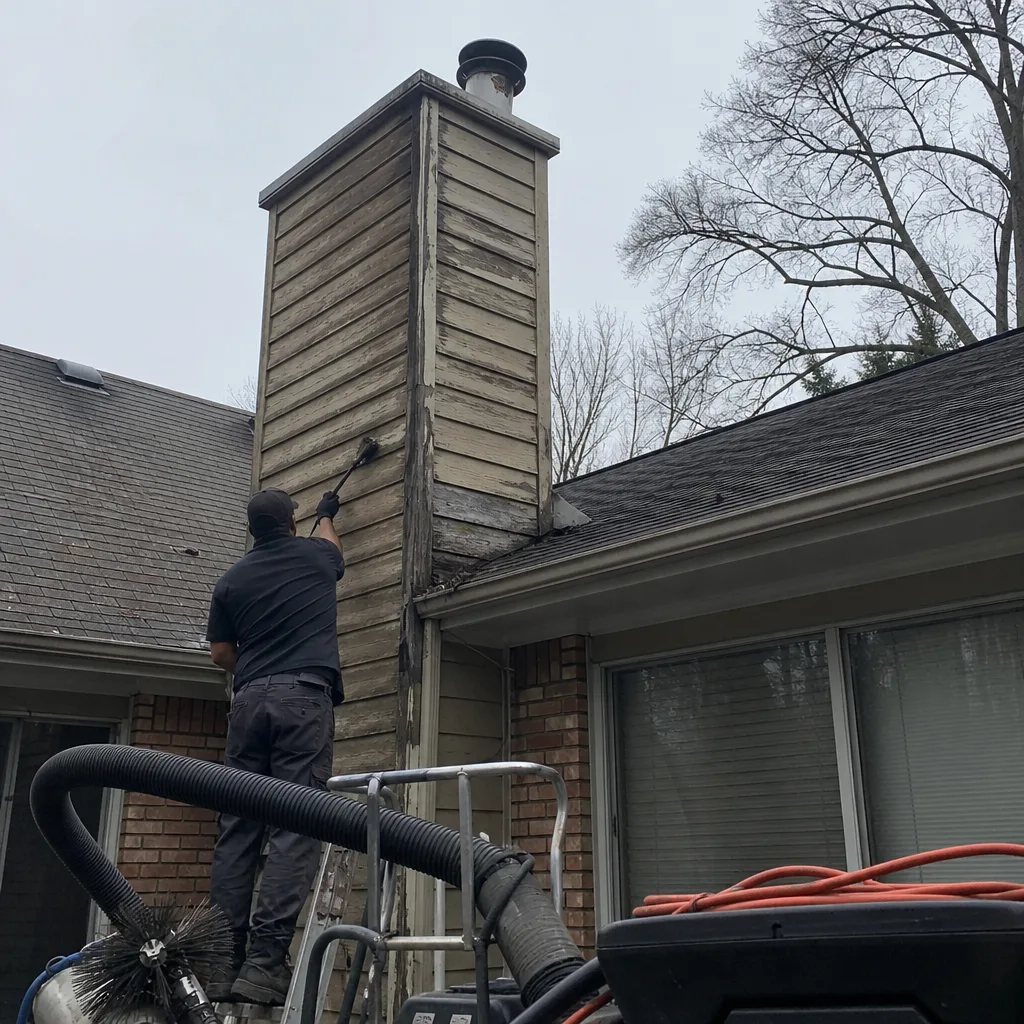 Before
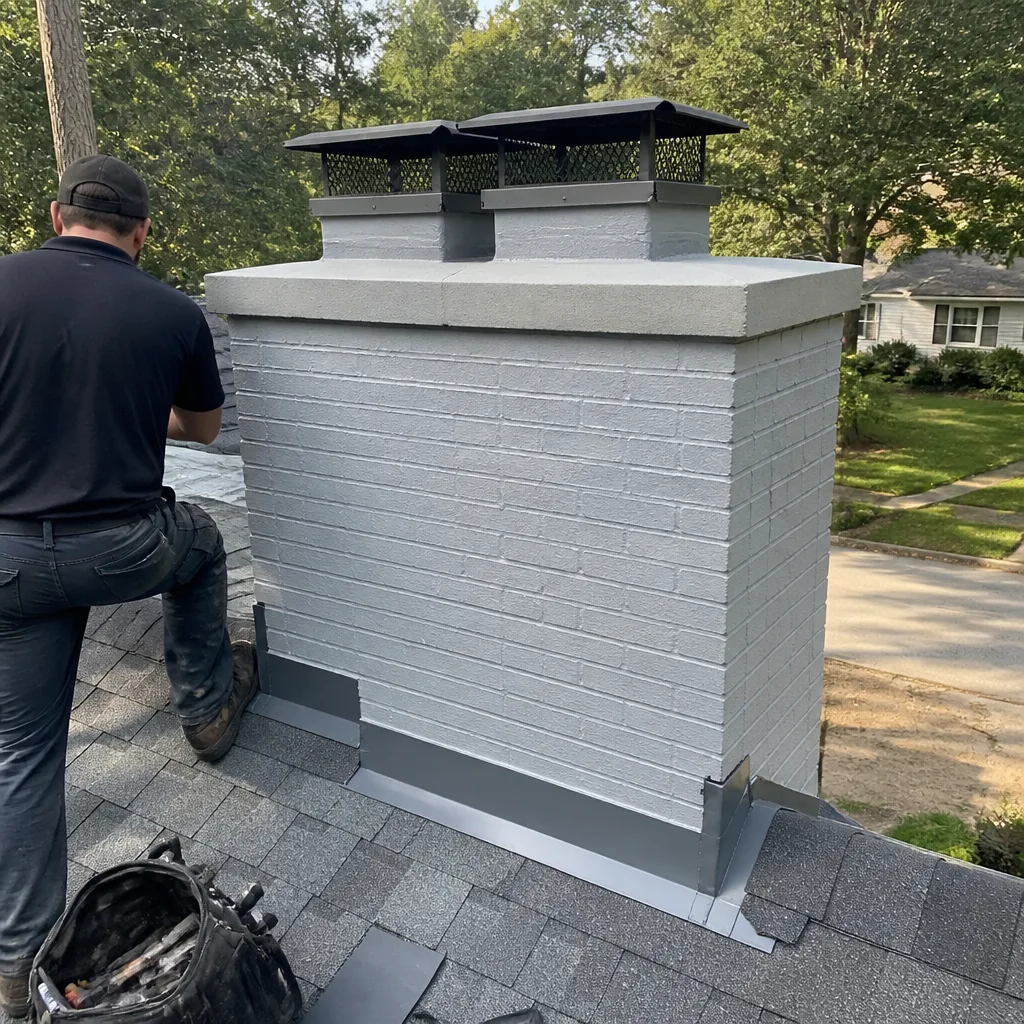 After
After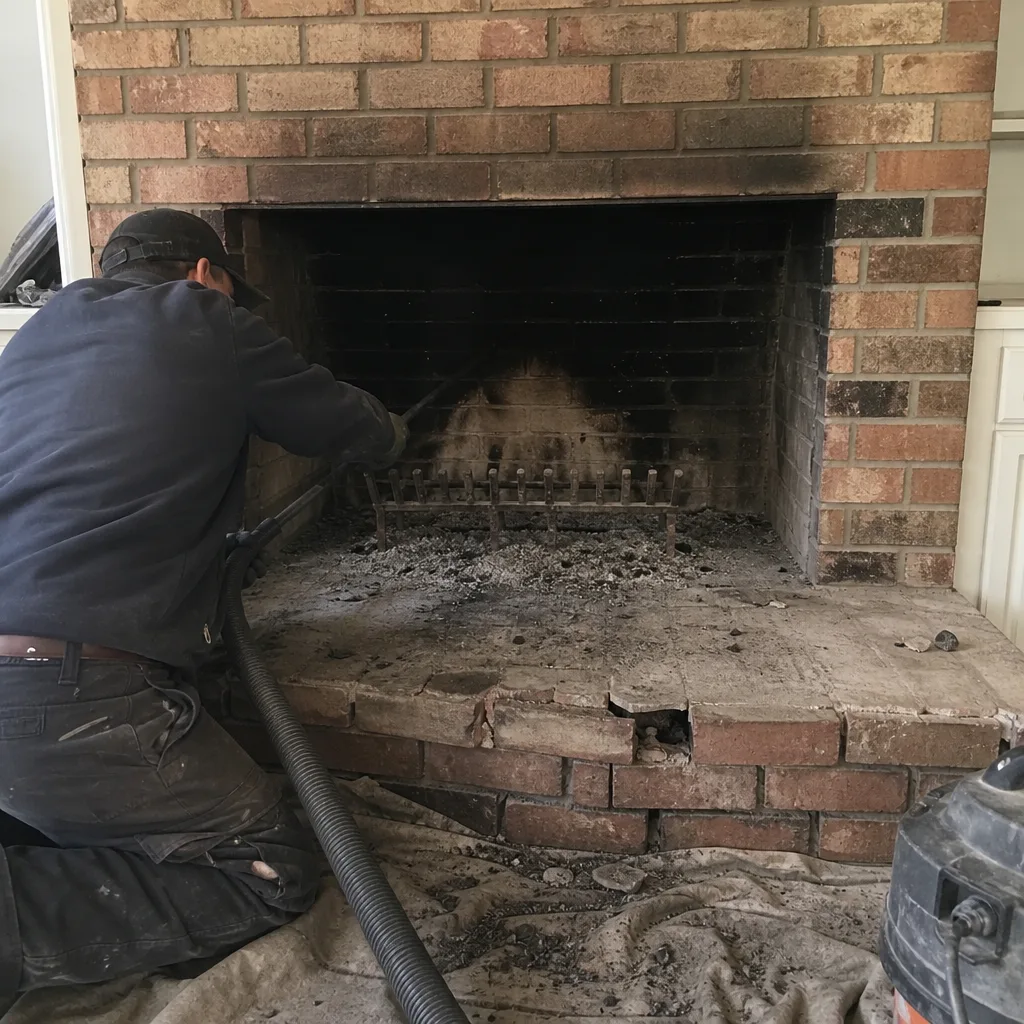 Before
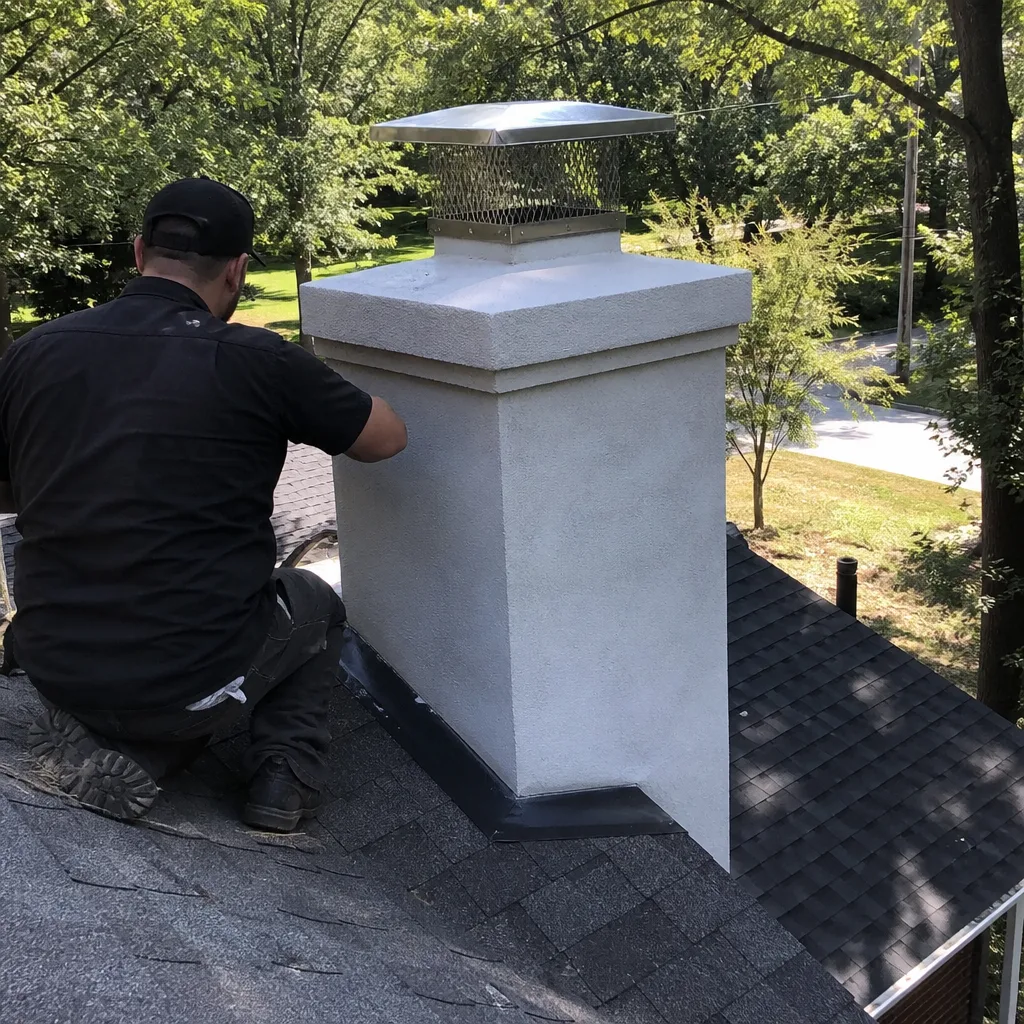 After
After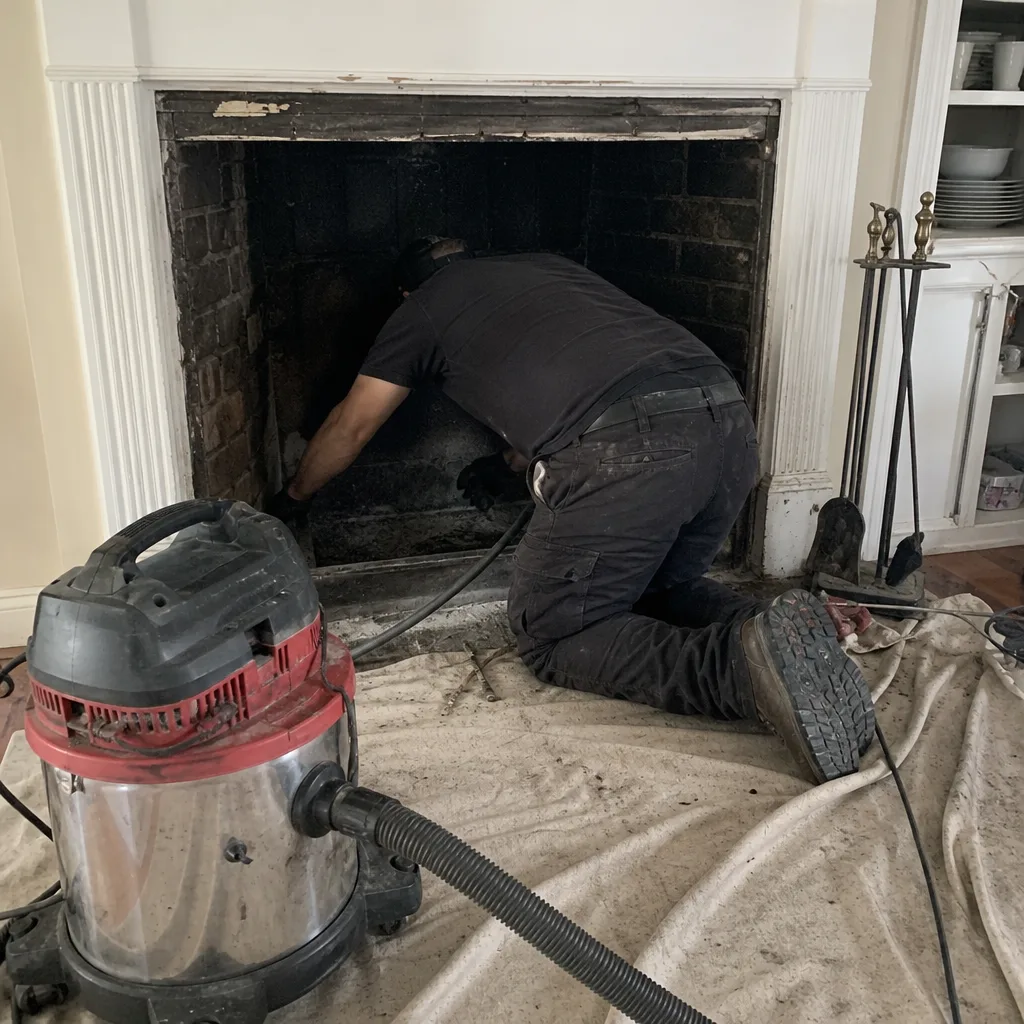 Before
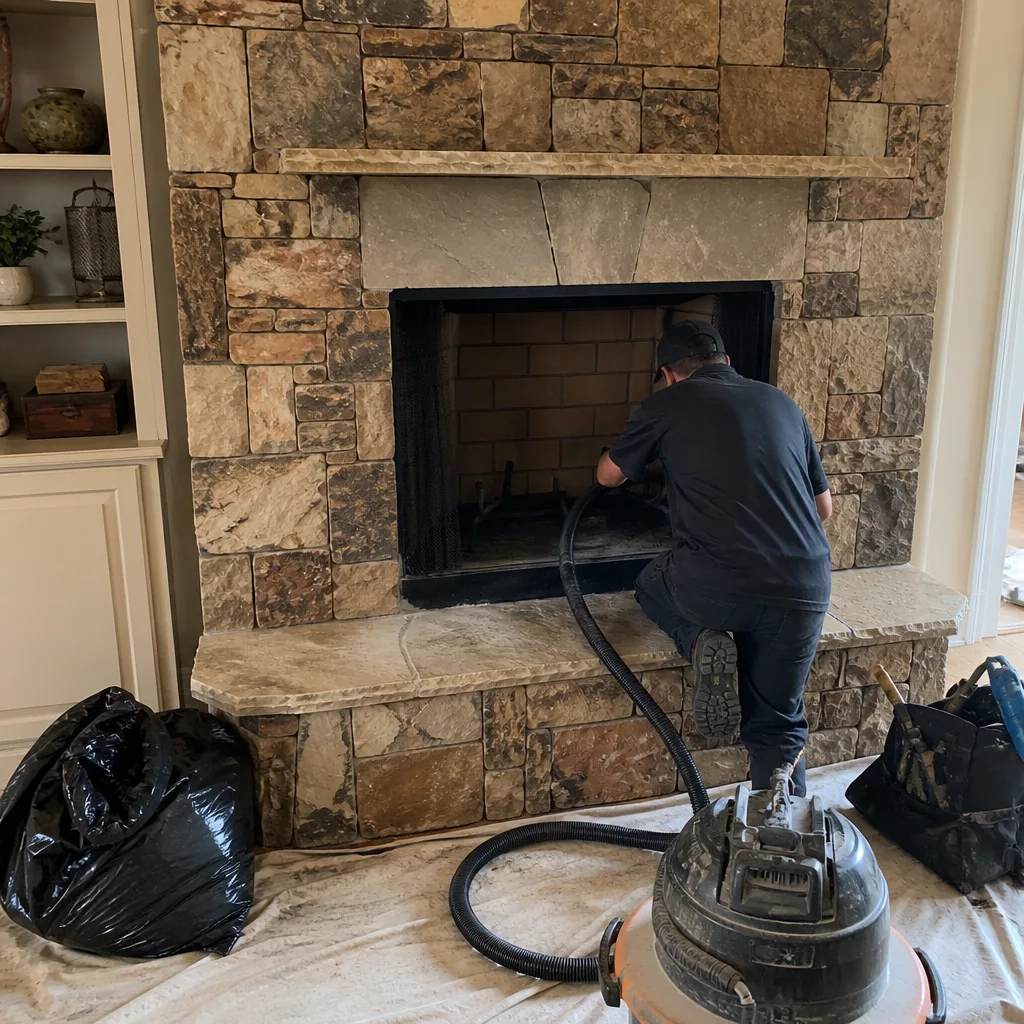 After
AfterFrequently Asked Questions
A standard chimney sweep in Atlanta typically runs $189 to $329 before any repairs, depending on the chimney’s height, the amount of creosote present, and whether the flue has been cleaned recently. That’s the market range for a licensed and insured company doing a thorough job, not a quick brush-through. At Alcott Chimney Atlanta, you’ll receive a written price before any work begins, so the number you’re quoted is the number you pay. Call (762) 356-6423 for an exact quote for your chimney.
For most Atlanta homeowners, an annual sweep and inspection, done before the first fall fire, is the right interval. If you burn more than three cords of wood per season, or if you burn fires most nights from November through March, you may need a mid-season sweep as well. The National Fire Protection Association standard is that a chimney should be swept when there’s 1/8 inch or more of creosote buildup, and a professional inspection is the only way to measure that accurately.
It depends on the type, location, and severity of the cracks, and this is where camera evidence matters. Small surface cracks in a clay tile liner that’s otherwise intact may not require immediate replacement. But cracks that penetrate the tile, allow heat or gases to reach the surrounding masonry, or line up in a pattern that suggests structural movement often mean the liner should be replaced or resurfaced. At Alcott Chimney Atlanta, we don’t recommend a liner replacement without showing you the camera images and explaining exactly what we’re seeing. Products like HeatShield resurfacing can sometimes restore a liner at a lower cost than a full replacement, and DuraFlex systems provide a permanent solution for certain chimneys. Ask for the evidence, then decide.
In most cases, nothing happens immediately. The risk builds gradually. Creosote accumulates and hardens, and the next fire you light may ignite it. A chimney fire can burn at over 2,000 degrees Fahrenheit, cracking flue tiles, warping dampers, and in some cases spreading to the surrounding structure. Even if a chimney fire doesn’t touch the house, it often ruins the flue and forces a liner replacement that costs thousands more than a sweep ever would. In Atlanta, the added variable is water. A chimney with creosote buildup and a cracked crown lets moisture sit against the flue for months, combining two problems into one expensive repair.
We don’t recommend it, for the same reason professional sweeps carry specialized brushes, vacuum equipment designed for fine soot, and inspection cameras. The dangerous part is not just the cleaning; it’s the access. Working on a roof in Atlanta means dealing with steep pitches, wet shingles, and fall lines that make falls a real risk. A professional sweep also evaluates the flue while cleaning, catching the problems that are invisible from the firebox. If you’re concerned about cost, call (762) 356-6423 and ask for a price. It’s usually less than homeowners expect, and a professional job includes the inspection you’re not paying for separately.
A proper chimney inspection in Atlanta should include a visual examination of the firebox, damper, smoke chamber, and flue, along with an exterior check of the crown, cap, flashing, and masonry. Many companies include camera inspection as standard, which allows the technician to see the condition of the flue liner throughout its entire length. After the inspection, you should receive a written summary of what was found, what’s recommended, and what can wait. At Alcott Chimney Atlanta, every inspection is performed by a background-checked, identity-verified technician you’ll know by name and photo before arrival, and every repair recommendation comes with camera evidence and a written price.
The Bottom Line
Chimney maintenance in Atlanta is a different discipline than chimney maintenance in colder, drier climates. The risks here come from what happens when the fire is out: clay soil shifting your masonry, summer humidity seeping into your flue, and animals moving into a chimney that sits quiet for seven months. The checklist that protects an Atlanta chimney focuses on moisture management, exterior inspection after storms, and documentation that catches small problems before they become expensive repairs. The annual sweep is the foundation, but everything around it matters just as much. Book the service before the October rush, ask for evidence of every recommendation, and keep the records. Explore our more guides & resources for year-round chimney care. If you’re in the Atlanta area and want a licensed sweep with documented, guaranteed work, call Alcott Chimney Atlanta at (762) 356-6423 and get a written price before anything starts.
Written by Ruben Castellano, Owner at Alcott Chimney Atlanta, serving Atlanta since 2002.