
Last updated October 15, 2026
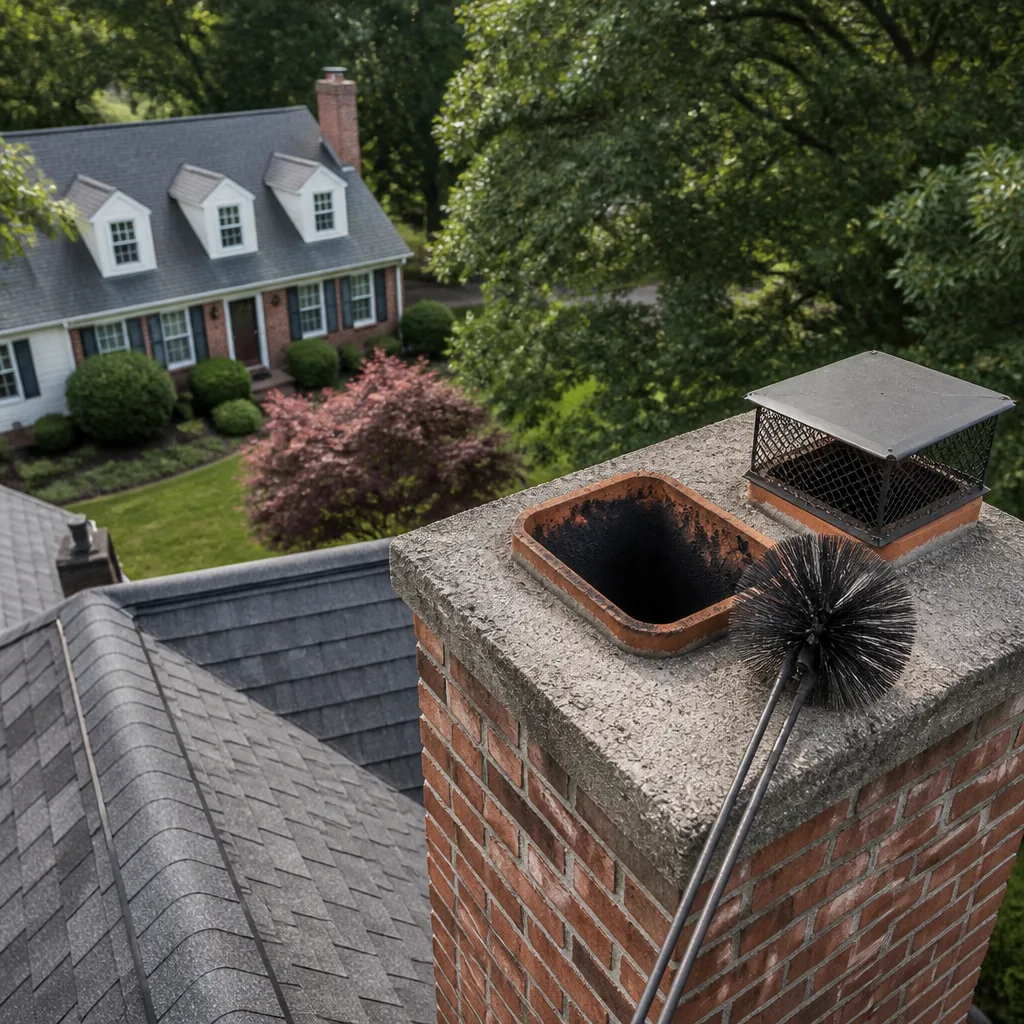 Sweep & inspection
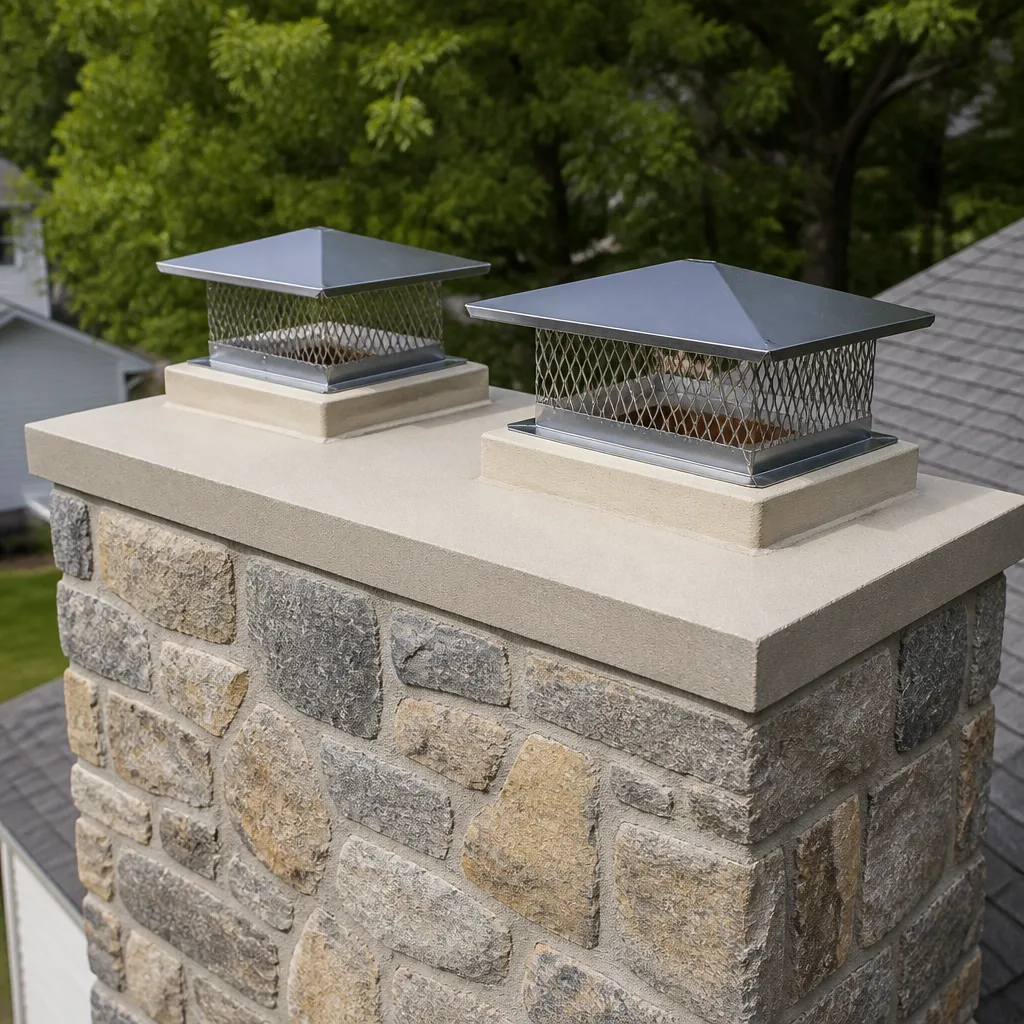 Caps & crowns
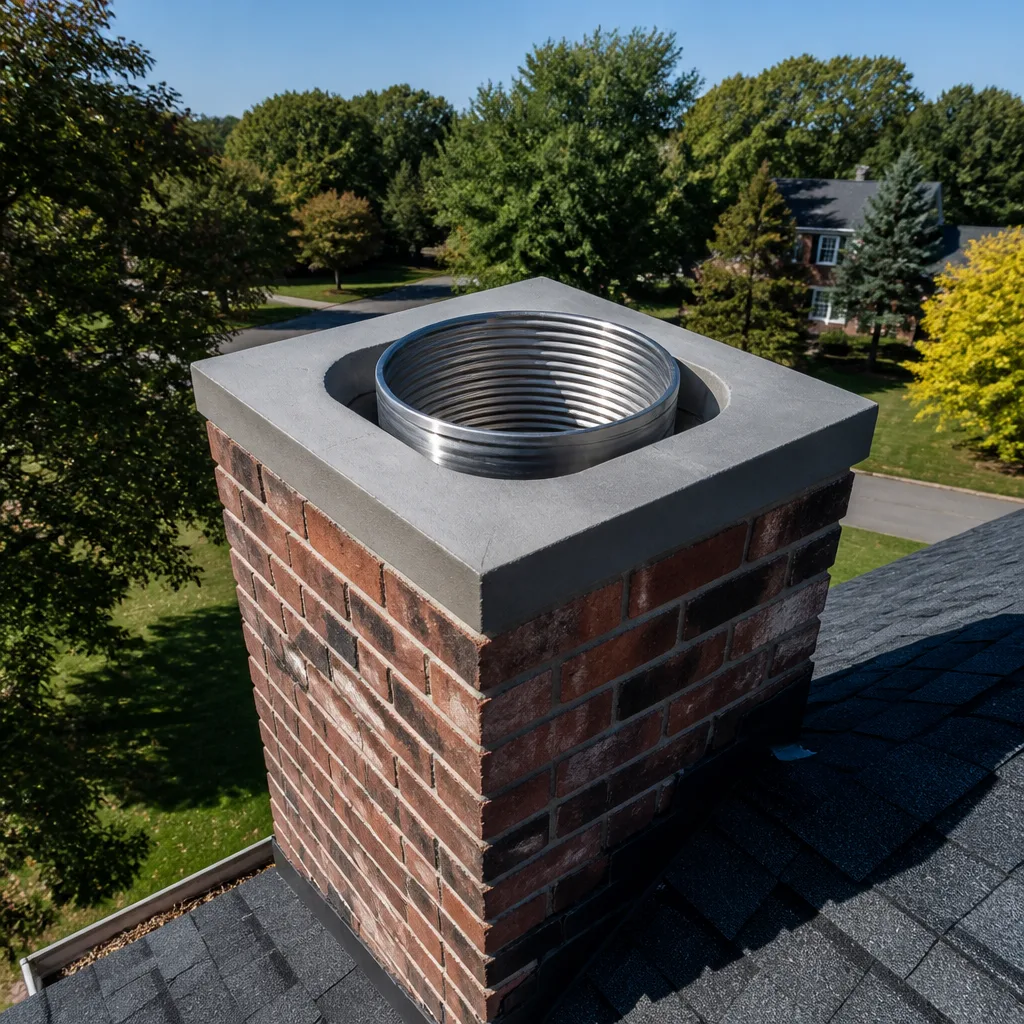 Flue relining
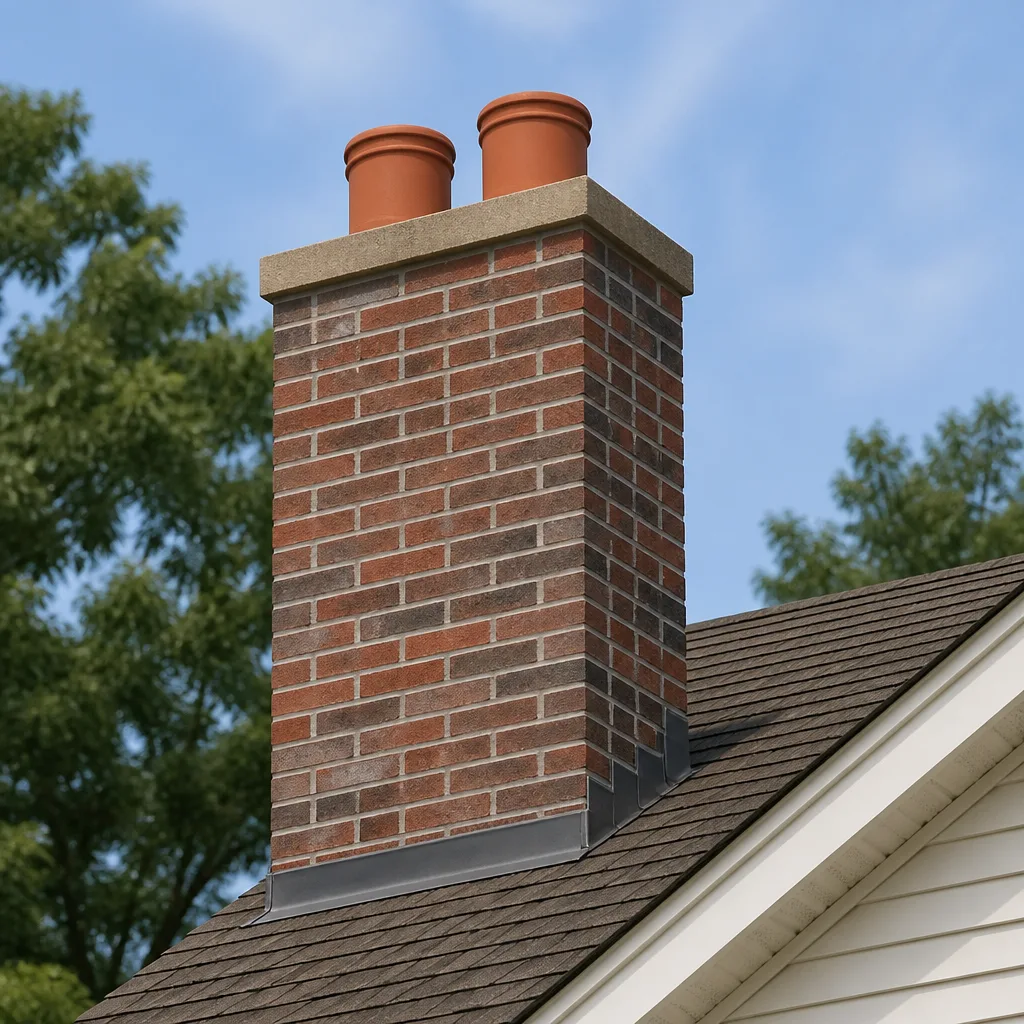 Masonry repair
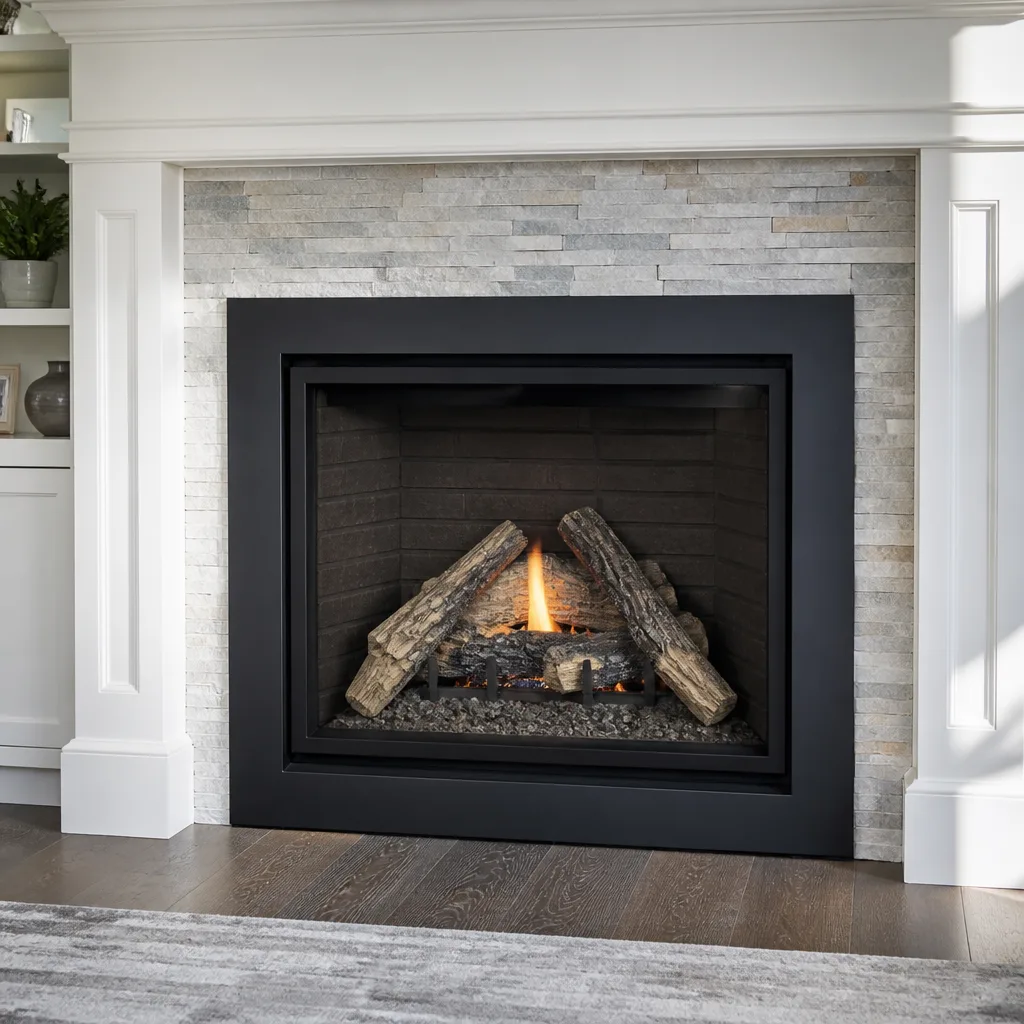 Gas fireplace service
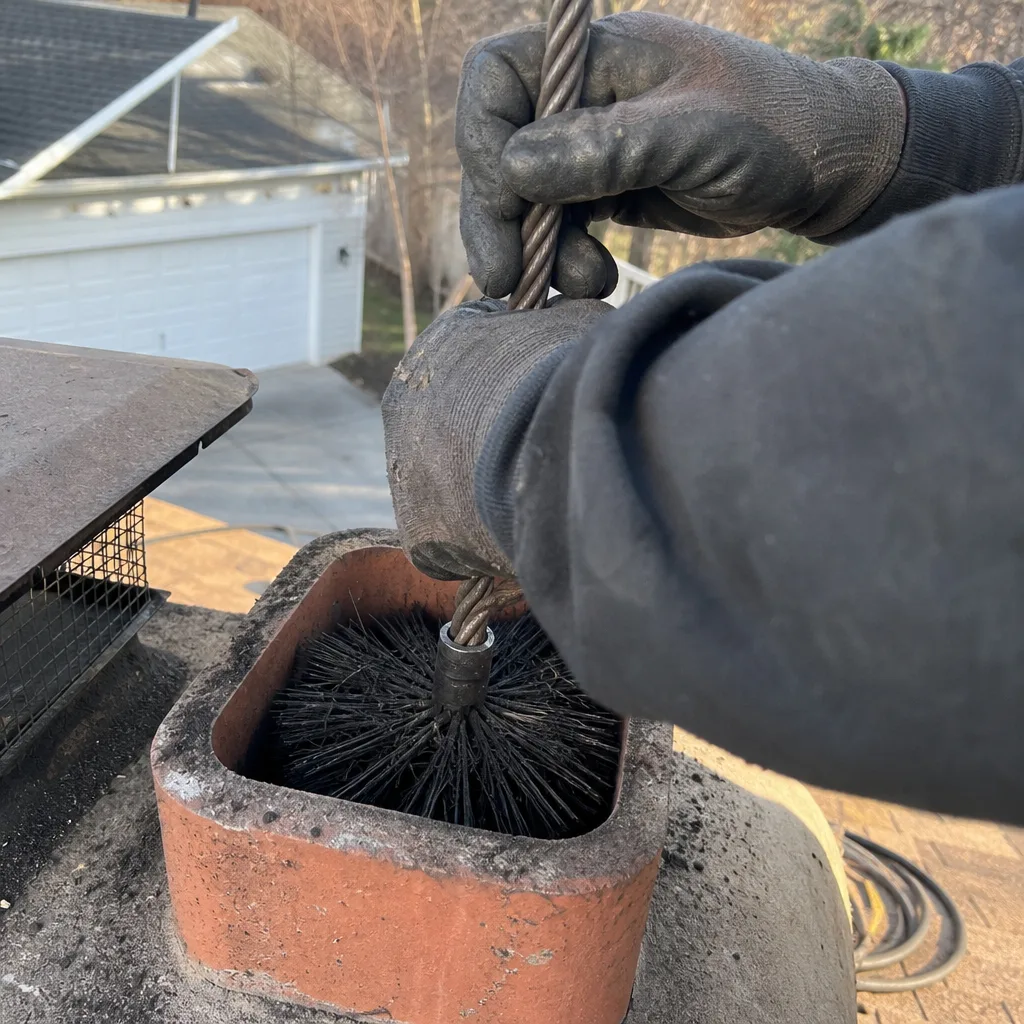
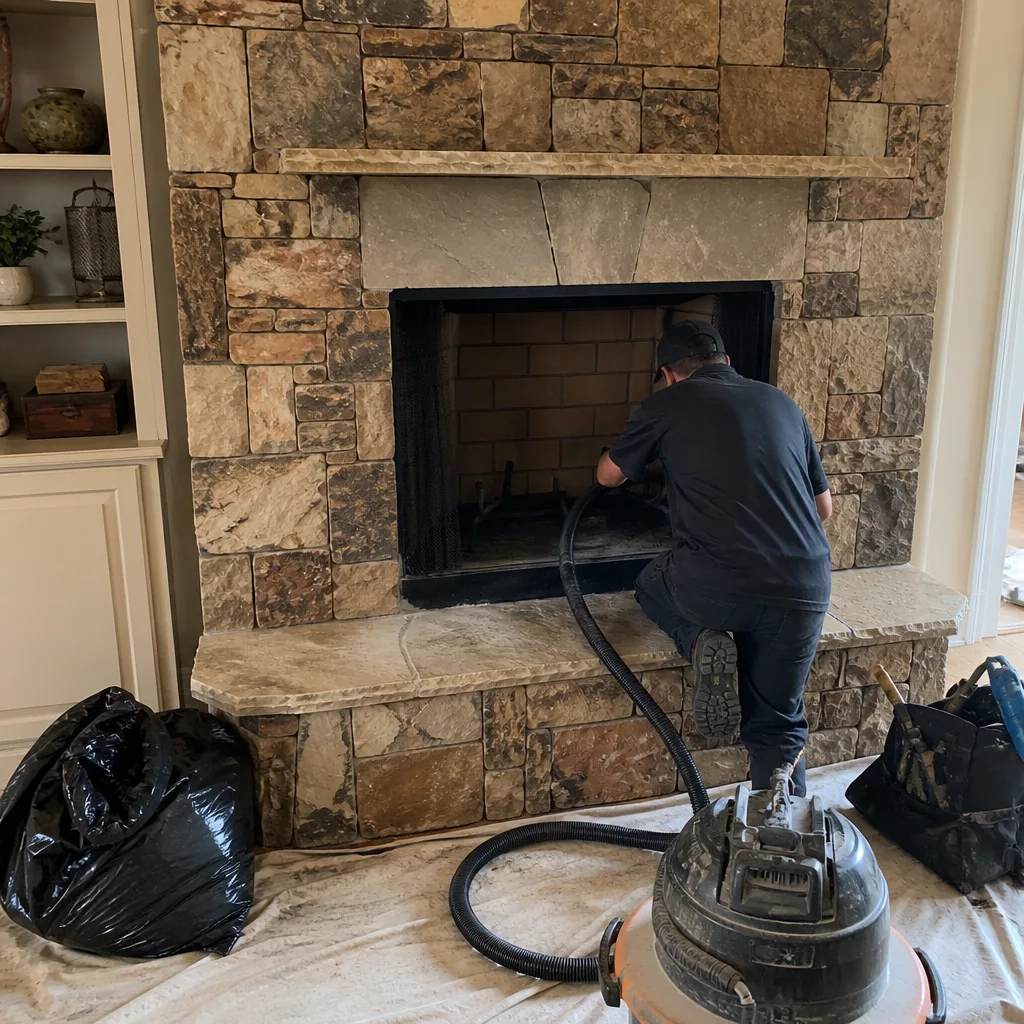
Level 1 sweep and inspection to the NFPA 211 annual standard - flue, crown, cap, and flashing checked and photographed
Chimney sweep logs do not sweep chimneys. They loosen some creosote - which then falls where a brush and vacuum still have to collect it.
Chimney Cleaning Warning Signs: A Atlanta Homeowner’s Reference Guide
That campfire smell drifting through your Atlanta living room on a humid August afternoon, with no fire burning, isn’t a curiosity. It’s a specific indicator that your chimney is drafting in reverse. Negative air pressure inside your home, common in Atlanta’s tightly sealed houses during peak AC season, pulls air down the flue instead of up it. That means whatever is inside your chimney, including creosote residue, animal byproducts, and outdoor pollutants, is entering your home the same way. This guide explains what’s actually happening inside the flue when each warning sign appears, so you understand the urgency level accurately. You’ll learn to distinguish Stage 1, Stage 2, and Stage 3 creosote problems by sight and smell, identify which warning signs require stopping fireplace use immediately, and know exactly what documentation to photograph for insurance or warranty conversations.
Quick Answer
The most serious chimney warning signs in Atlanta are smoke entering the room while a fire burns, a strong campfire or barbecue smell with no fire lit, visible tar-like glaze inside the firebox, and white staining on the exterior brick. Any of these means the chimney needs professional attention. In our experience, the odor with no fire burning is the sign homeowners most often dismiss, but it’s frequently the earliest reliable indicator of a drafting problem or Stage 2 creosote accumulation.
Styles & brands we work with
Table of Contents
- Severity Tiers: What Demands Immediate Action vs. What Can Wait
- The Three Stages of Creosote: What to Look For and Smell For
- White Staining on the Exterior: Why Efflorescence Is Not Cosmetic
- Damper vs. Draft vs. Blockage: Three Problems With Similar Symptoms
- What to Photograph and Save: Documentation for Insurance and Warranty Claims
- Atlanta-Specific Risk Factors: Humidity, Pollen, and Critters
- Common Mistakes to Avoid
- When to Call a Professional
- Frequently Asked Questions
Severity Tiers: What Demands Immediate Action vs. What Can Wait
Not every chimney symptom is an emergency. Homeowners in Atlanta neighborhoods like Buckhead, Decatur, and Sandy Springs regularly call us unsure whether they’re facing a genuine hazard or a minor annoyance. We sort every warning sign into one of three tiers. Understanding these tiers prevents both dangerous complacency and unnecessary panic. Here’s the breakdown, based on thousands of chimney evaluations performed since 2002.
Tier 1: Stop Using the Fireplace Immediately
These signs indicate an active safety risk. Stop using the fireplace until a professional inspects it.
- Smoke entering the room while the fire burns. This means the flue is not exhausting properly. The cause could be a blockage, a cold flue that hasn’t warmed up, or an undersized liner. Regardless, it means carbon monoxide and particulate matter are entering living space instead of leaving through the chimney.
- Visible flames above the top of the chimney while a fire burns. This is a chimney fire, and a serious one. The creosote inside the flue has ignited. You may also hear a loud roaring or popping sound from the chimney. Evacuate and call 911, then a professional once the fire is out.
- A strong, acrid chemical smell like burning asphalt or tar coming from the firebox, even with no fire. This typically indicates Stage 3 creosote, which is highly concentrated and prone to ignition. The smell intensifies on humid or rainy days.
- Falling debris inside the firebox: chunks of brick, flue tile, or mortar. This signals structural deterioration of the flue lining. If the liner has failed, the chimney is unsafe to use.
If you experience any Tier 1 symptom, stop using the fireplace and schedule a Chimney Inspection in Atlanta immediately. A Level 2 video scan of the flue interior will show exactly what’s happening.
Tier 2: Schedule an Inspection Within 30 Days
These signs don’t demand an immediate shutdown, but they indicate a developing problem that will get more expensive to fix the longer you wait. Book a sweep and inspection within the month.
- A faint barbecue or charcoal smell in the room with no fire burning, especially on humid days. In our experience across Atlanta, this is the single most reliable early warning of Stage 2 creosote buildup. The humidity traps and releases creosote odor. This is a scheduled maintenance issue, not a panic situation, but it won’t fix itself.
- Noticeably reduced draft: the fire is hard to start, smolders, or you see smoke gathering at the top of the firebox before it decides to go up. This indicates partial blockage, an undersized flue, or a damper that isn’t opening fully. A professional can determine which.
- Recurring water in the firebox after rain. In Atlanta’s storm season, this is common and straightforwardly addressed with a proper cap or crown repair, but it should be evaluated before it leads to liner damage.
- Flakes or small pieces of shiny, dark material settling on the firebox floor. This is creosote detaching from the flue walls. It’s a sign of significant buildup, but the flakes themselves are not an emergency.
Tier 3: Cosmetic or Non-Urgent
These signs are worth noting and may be worth addressing during your next regular maintenance visit, but they don’t require an immediate call.
- Light soot stains on the fireplace surround or mantel. Usually a sign of a minor draft issue on windy days or an air pressure imbalance in the room during startup. Not an emergency.
- A damper that’s stiff or requires extra effort to open and close. This is usually lubrication or minor rust. It can wait for your next sweep visit.
- Mild cosmetic efflorescence (a faint white haze) on interior firebox bricks, with no water intrusion signs elsewhere. See the efflorescence section below for details. If it’s inside and light, monitor it. If it’s on the exterior and growing, bump it to Tier 2.
The Three Stages of Creosote: What to Look For and Smell For
Creosote is the tar-like residue that forms inside a chimney flue when wood smoke condenses on cooler flue walls. It’s the primary fuel in chimney fires, and it builds up at different rates depending on the type of wood you burn, the temperature of your fires, and the moisture content of your firewood. Most sources mention creosote generically. Here’s what each stage actually looks like and smells like, so you can assess your own chimney’s condition between professional inspections.
Stage 1: Flaky and Powdery
What it looks like: A fine, sooty dust or small, dry flakes coating the flue interior. Think of the texture of coffee grounds or crushed dry leaves. It’s matte, not shiny, and it brushes off easily.
What it smells like: A faint, dry soot smell, especially when the fireplace hasn’t been used in a while. On humid Atlanta days, the smell may become slightly more noticeable but still subtle.
What it means: This is normal byproduct from regular wood burning. Stage 1 creosote forms in any wood-burning chimney. It’s not dangerous at this stage, but it’s the starting point for everything more serious. A standard Chimney Sweep in Atlanta removes Stage 1 creosote completely. A standard sweep typically runs $189-$325 in the Atlanta market before any repairs, depending on flue height and accessibility.
Stage 2: Granular and Honeycomb-Like
What it looks like: Thicker, granular deposits that may have a bumpy, honeycomb or popcorn-like texture. It appears darker than Stage 1 and has a dull sheen in spots. It does not brush off easily; it requires mechanical scraping or rotary tools to remove.
What it smells like: A definite smoky, barbecue-like odor that becomes noticeable in the room even when no fire is burning. The smell is typically strongest on humid days because moisture activates the creosote compounds. If you smelled “campfire” in July in Atlanta, you likely have Stage 2.
What it means: Your fires have been burning at too low a temperature, or you’ve been burning wood with high moisture content. The creosote is building faster than it’s being removed. At this stage, the flue is starting to narrow, which reduces draft and accelerates further buildup. The risk of chimney fire is now real but moderate. A standard sweep with mechanical agitation handles Stage 2, though it takes longer and may require additional tools.
Stage 3: Glazed and Tar-Like
What it looks like: A thick, shiny, hard coating that looks like black glass or hardened tar. It’s smooth to the eye and clings to the flue walls like a glaze. This is concentrated creosote fuel.
What it smells like: A sharp, chemical odor resembling burning asphalt, hot tar, or even nail polish remover. It’s present and noticeable even on dry days, though humidity intensifies it. The smell often permeates the room even with the damper closed.
What it means: This is a fire waiting to happen. Stage 3 creosote can ignite at standard fireplace temperatures, and once it does, it burns intensely. The standard protocol for Stage 3 is removal using a rotary loop tool or, in some cases, chemical treatment over multiple visits. If the flue is heavily glazed and the liner has been compromised, resurfacing with a professional product like HeatShield may be necessary. This is not a job for a handyman with a brush. In our experience, homeowners in older Atlanta neighborhoods with pre-1970 fireplaces are the most likely to encounter Stage 3 because their flues haven’t been inspected in decades.
White Staining on the Exterior: Why Efflorescence Is Not Cosmetic
Efflorescence is the technical term for the white, powdery, or chalky staining that appears on exterior brick and mortar. Many homeowners in Atlanta dismiss it as a cosmetic issue. They’re wrong. Efflorescence is not the brick aging or shedding dust. It’s a chemical signature of water movement through masonry, and it’s the earliest visible warning that water is infiltrating your chimney system.
Here’s what’s actually happening. Water enters the masonry through cracked crown caps, failing mortar joints, or a porous brick surface. As that water migrates through the brick, it dissolves natural salts inside the masonry. When the water reaches the surface and evaporates, the salts remain behind as a white crystalline deposit. That’s efflorescence. It means water has been moving through your chimney brick, and it means more than cosmetic wear.
What it likely means for the liner: persistent water intrusion doesn’t stop at the brick. Water that finds its way into the flue can damage the liner, whether that liner is clay tile or metal. A corroded metal liner, or cracked clay tile, compromises the chimney’s ability to contain combustion gases and heat. In our experience, visible exterior efflorescence is frequently accompanied by hidden liner damage that’s only visible with a video scan.
Atlanta’s climate compounds this. We get heavy spring and summer rains, high humidity year-round, and warm temperatures that accelerate evaporation. That constant wet-dry cycle means efflorescence appears more quickly and spreads more aggressively here than in drier climates. If you live in a neighborhood like Virginia-Highland or Grant Park and you’re seeing white staining on the chimney exterior, you should schedule a Chimney Inspection in Atlanta to evaluate water intrusion before it worsens. The fix may be as straightforward as a new crown cap and cap, but establishing the extent of the damage early prevents a full liner replacement later.
Damper vs. Draft vs. Blockage: Three Problems With Similar Symptoms
A sluggish fireplace, one that’s hard to start, sends smoke into the room, or won’t hold a flame, can be caused by three distinct problems that all produce similar symptoms at the firebox. Understanding the difference helps you describe what you’re seeing accurately and avoid paying for the wrong fix. Here’s how to separate them based on what you observe.
Problem 1: A Damper Problem
Observable symptom: The damper is stiff, doesn’t open fully, or doesn’t stay open. You may see rust on the damper plate or hinges. The handle may feel loose or disconnected.
What’s happening: The damper is the metal plate inside the throat of the chimney that opens to allow smoke out and closes to keep cold air and animals out when the fireplace isn’t in use. If it doesn’t open fully, the chimney can’t draft properly, so smoke backs up into the room even when the flue is completely clean and clear.
What to look for: With the fireplace cold, open the damper and look up with a flashlight. You should see a clear opening. If the plate is angled, stuck, or partially blocking the throat, the damper is your problem, not the flue.
Problem 2: A Draft Problem
Observable symptom: The damper is fully open, but smoke still curls into the room at the top of the firebox, especially when the fire is first lit or on windy days. The fire may be slow to establish and smoke may seem to “hover” at the top of the opening before finally going up.
What’s happening: Draft is the upward pull of air through the flue. It’s created by the temperature difference between the hot fire gases and the cooler outside air. Several things undermine draft: a flue that’s too short for the chimney height, an undersized flue for the fireplace opening, negative air pressure in the house (especially common in Atlanta’s newer, tightly sealed homes running AC), or outside wind patterns creating downdrafts. The flue itself may be perfectly clean.
What to look for: Hold a lit match or a piece of tissue near the firebox opening while the damper is open and no fire is burning. If the flame or paper pulls toward the firebox, you have some draft. If it pushes toward the room or doesn’t move, the house likely has negative pressure. This is a physics problem, not a dirt problem, and it’s solved with solutions like a chimney cap designed to convert wind into upward draft, not with a sweep.
Problem 3: A Blockage Problem
Observable symptom: Smoke enters the room consistently, not just at startup, and the fire may burn sluggishly regardless of outside conditions. You may hear an animal scratching, notice debris like twigs or leaves falling into the firebox, or see nesting material when you look up with a flashlight.
What’s happening: Something is physically obstructing the flue. The most common culprits in Atlanta are bird nests (chimney swifts love Georgia), squirrel nests, or large accumulations of Stage 2 or Stage 3 creosote that have narrowed the flue passage significantly. A fallen flue tile from a deteriorating liner can also block the passage.
What to look for: Shine a bright flashlight up the flue from the open damper. If you see an obstruction, nesting material, or a significant narrowing of the opening, you have a blockage. Do not attempt to burn through it. That’s how chimney fires start. Call a professional for a sweep and inspection.
What to Photograph and Save: Documentation for Insurance and Warranty Conversations
When you notice a chimney warning sign, the photos you take in that moment are more valuable than any written description you’ll provide later. Insurance adjusters, home warranty providers, and chimney professionals all work from documentation. Here’s exactly what to photograph and save, and why each matters.
Start with these photographic records, in order:
- The full exterior of the chimney from ground level, showing its full height. This establishes context and shows the scope of visible staining, cracking, or missing cap components. Take it from two angles if possible.
- A close-up of any visible damage, staining, or cracking on the brick, mortar, or crown. Include something for scale in the frame, like a quarter or a pen, so the size of the defect is unambiguous.
- The firebox interior, including the damper, with a bright flashlight illuminating the area. This documents the condition of the fireback, the damper plate, and any visible accumulation or debris.
- A photo looking up the flue from inside the firebox, if your phone can capture it clearly. This is not a substitute for a professional video scan, but it’s a starting record.
- Any symptom you’re documenting: the smoke entering the room, the water in the firebox, the debris. A photo of the symptom itself, not just the location, is powerful evidence.
For insurance claims specifically, you’ll also want:
- A written note, dated, describing when you first noticed the issue and exactly what you observed. Date-stamped notes carry weight.
- Any receipts or records of previous chimney work, sweeps, or inspections. These establish a maintenance history.
- Photos of the surrounding area after any major weather event in Atlanta: heavy rain, wind storms, or the occasional freeze-thaw cycle that damages masonry.
If you’re pursuing a home warranty claim for a liner failure or water intrusion, your strongest evidence set is before photos you took when the warning sign first appeared, combined with a written professional evaluation from a chimney sweep. The written evaluation is where a company like Alcott Chimney Atlanta earns its fee: we document findings in writing, with photo or video evidence, and we provide the exact written price for any recommended repair before the work starts. That documentation is what insurance adjusters respond to.
Atlanta-Specific Risk Factors: Humidity, Pollen, and Critters
Chimney maintenance advice isn’t one-size-fits-all. The climate and ecology of metro Atlanta create specific risk factors that homeowners in other regions don’t face. Here’s what’s distinct about owning a fireplace in this city.
Humidity and Creosote Odor
Atlanta’s humidity is relentless. Our average relative humidity runs between 60% and 75% for much of the year, and it spikes higher during our long summer months. Creosote is hygroscopic, meaning it absorbs moisture from the air. When that happens, it releases volatile organic compounds that produce the characteristic barbecue or campfire smell. That’s why you’ll notice the odor most strongly on muggy summer days, even with no fire burning. A chimney that smelled fine all winter can suddenly announce itself in July. The humidity also accelerates the breakdown of clay flue tiles that have already developed small cracks, because the absorbed water expands and contracts with temperature changes.
Spring Pollen and External Blockages
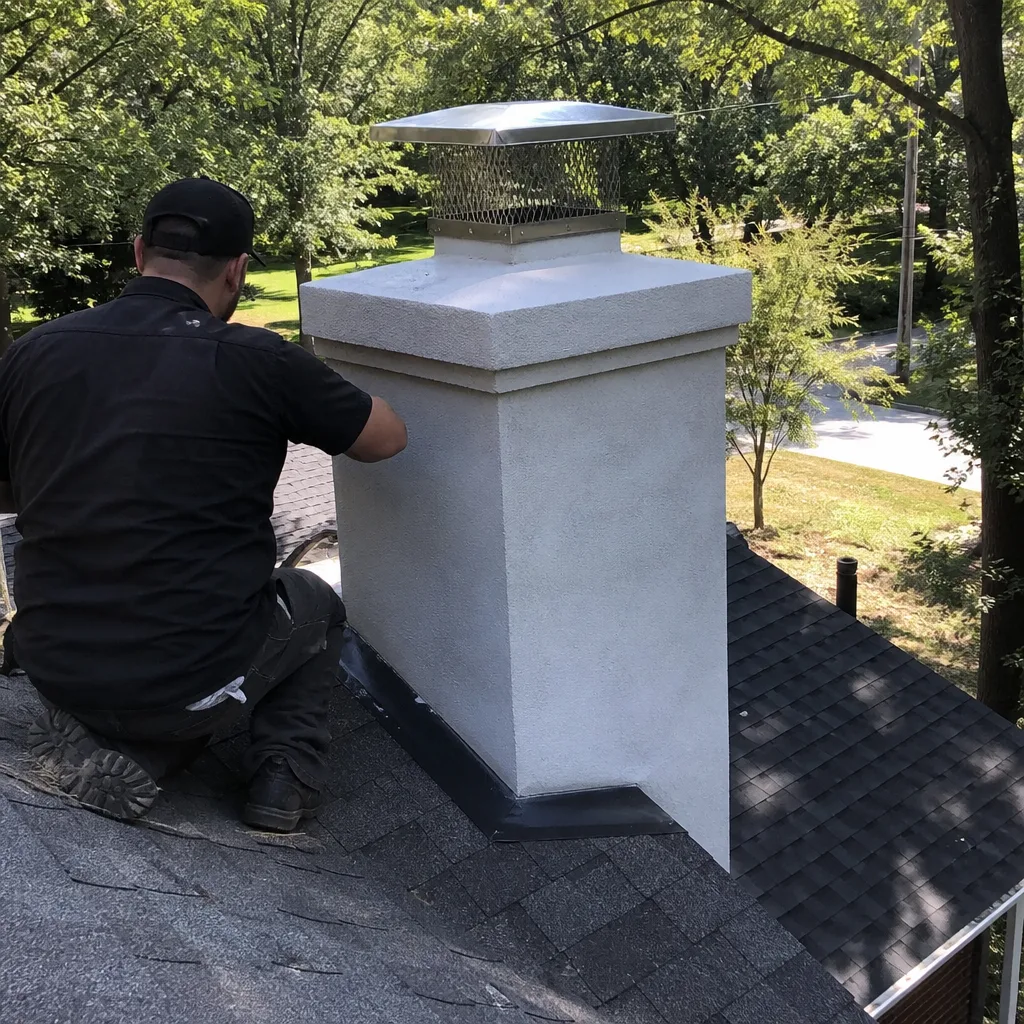
Atlanta’s spring pollen season is famously brutal. That yellow-green dust settles everywhere, including on chimney crowns, caps, and the top of the flue. When pollen combines with a bit of rain, it creates a paste that can clog the small screens on a chimney cap, restricting airflow and draft. It’s a minor issue compared to others, but a compressed-air cleaning of the cap during your annual sweep is worthwhile here, and we include it as part of every Chimney Sweep in Atlanta.
Urban and Suburban Wildlife
Chimney swifts, the migratory birds that have nested in Georgia chimneys for thousands of years, are protected by federal law. If they’ve taken up residence in your flue, you cannot legally remove them. Squirrels, raccoons, and occasionally opossums also find their way into uncapped chimneys. An uncapped or damaged chimney in a neighborhood like East Atlanta or Kirkwood, with its mature tree canopy, is an open invitation. The fix is straightforward: a properly fitted cap with screening, installed once the animals are out. What’s not straightforward is trying to smoke them out by lighting a fire. Don’t do it. You’ll fill your house with smoke and risk burning whatever nesting material is inside.
If you have a gas fireplace instead of wood-burning, the risks shift. Gas logs still require annual inspection, but the failure modes are different: clogged burner ports, faulty thermopiles, carbon monoxide buildup from incomplete combustion. We see plenty of that in Atlanta’s older condo buildings and townhomes where gas fireplaces are the primary heat in living rooms. A Gas Fireplace Repair in Atlanta should include checking for proper combustion and CO levels, not just whether the pilot light stays lit.
Common Mistakes to Avoid
- Burning a “creosote cleaning log” and assuming the chimney is now clean. These logs loosen some Stage 1 creosote, but they do not remove Stage 2 or Stage 3. They’re a supplement, not a sweep. Many Atlanta homeowners use them as a substitute for annual cleaning, then call us surprised that the barbecue smell persists.
- Closing the damper when you smell a faint smoky odor, and forgetting about it. Closing the damper traps the odor inside the flue and may even intensify it in the room on humid days. It also prevents air circulation that could otherwise keep creosote from absorbing additional moisture. The smell is a signal to inspect, not to ignore.
- Ignoring white staining on the exterior because “all old brick does that.” Efflorescence is water movement, not age. Every Atlanta summer storm you ignore it is another season of water working into the flue and liner. The repair bill compounds.
- Assuming a gas fireplace doesn’t need maintenance because there’s no creosote. Gas fireplaces produce water vapor and carbon monoxide as combustion byproducts. Without annual inspection, a cracked heat exchanger or blocked vent can silently send CO into your living room. This is a safety issue, not a performance issue.
- Lighting a fire to “burn off” an animal nest or an accumulation they can see from the firebox. This is how chimney fires start. Nesting material is dry and highly flammable. If you can see an obstruction from the firebox, the only safe response is professional removal.
- Hiring the cheapest sweep without checking whether the technician is identified, vetted, and carries written guarantees. A sweep is a stranger who enters your home and accesses the most dangerous part of your house. You have a right to know who they are before they arrive. Ask any company you’re considering in Atlanta whether they provide a name and photo in advance, and whether their work is backed by a written guarantee. If the answer is no, keep looking.
When to Call a Professional
If you’ve noticed any Tier 1 warning sign, stop using the fireplace and call a professional today. If you’ve noticed a Tier 2 sign, schedule a sweep and inspection within 30 days. If you’re not certain which tier applies, call and describe exactly what you’re seeing and smelling. A reputable company will help you triage over the phone without charging for the conversation. Alcott Chimney Atlanta offers free estimates in Atlanta, and a live person answers every call, day or night, at (762) 356-6423. We’ll tell you over the phone whether we think your situation is urgent, and if it is, we’ll get you on the schedule fast. Every visit includes a written price before any work begins, and every repair carries a written guarantee with a free second visit if the repair fails within the year.
Frequently Asked Questions
The National Fire Protection Association standard is that chimneys, fireplaces, and vents should be inspected at least once a year and swept when creosote accumulation reaches 1/8 inch. In Atlanta, our humidity and wood-burning patterns mean most active wood-burning fireplaces need a sweep every 30 to 60 burns, which for most families is once every one to two years. Gas fireplaces should be inspected annually. If you burn firewood regularly from October through March, schedule your sweep in late spring or early summer, after you stop burning for the season, so the flue is clean and inspected before next fall. Call (762) 356-6423 for a quote based on your fireplace type and usage.
A standard chimney sweep in Atlanta typically runs between $189 and $325, depending on flue height, accessibility, and whether Stage 1 or Stage 2 creosote is present. If Stage 3 glazed creosote requires rotary cleaning, the price increases. If the sweep includes a video inspection of the flue interior, expect to add $75-$150. Alcott Chimney Atlanta always provides a written price before any work begins, so there are no surprises at the end of the visit. Call (762) 356-6423 for an exact quote based on your chimney.
This is the single most common concern we hear from Atlanta homeowners, and it’s a fair one. The reason to insist on visual evidence: if a liner is cracked, deteriorating, or improperly sized, a professional video scan of the flue interior will show it. You should be able to see the defect in the footage or photos. At Alcott Chimney Atlanta, we don’t recommend liner work without camera evidence that we review with you. If the recommendation is a resurfacing product like HeatShield rather than a full replacement, that’s a less invasive and less expensive option worth understanding. But no reputable company should tell you a liner needs replacement without showing you the images. Call (762) 356-6423 and we’ll show you exactly what we see.
Creosote accumulates in direct proportion to use and water vapor. Skip a year or two with light use and the consequence may be modest. Skip several years with regular wood burning, especially with less-than-seasoned wood, and you risk Stage 3 creosote that narrows the flue, restricts draft, and becomes a chimney fire fuel source. You also lose the early detection function of an annual inspection: cracked liners, failing mortar, and water intrusion are all easier and cheaper to fix the earlier they’re found. The barbecue smell you’ve been tolerating is the chimney telling you something. Call (762) 356-6423 for a professional evaluation with written documentation.
You can and should look up the flue with a flashlight from the firebox, and photograph what you can see. What you cannot do is evaluate the mid and upper flue, the crown cap, or the exterior flashing from that vantage point. Those areas require a professional video scan, which is exactly why we include camera inspection as part of every sweep and every inspection we perform. The video shows the full flue interior, top to bottom, and we walk you through what it shows. Call (762) 356-6423 and we’ll schedule a sweep and camera inspection together. Free estimates included.
Before you light a fire in a fireplace that’s been dormant for years, have it inspected. Unused chimneys develop their own set of problems: animal nesting, mortar deterioration, hidden water damage, and liner degradation that occurs whether or not the fireplace is used. A Level 2 inspection with video scanning establishes the true condition of the flue. Alcott Chimney Atlanta serves all of metro Atlanta, from Midtown to Marietta, and we specialize in bringing older fireplaces back into safe service. Call (762) 356-6423 and mention you have a long-dormant fireplace. We’ll advise the right inspection level for your situation.
The Bottom Line
Chimney warning signs exist on a spectrum from trivial to urgent, and the difference matters. The odor of creosote on a humid Atlanta summer day is not a nuisance; it’s data. White staining on exterior brick is not age; it’s water movement. Smoke entering the room is never normal, though its cause may be as simple as a damper issue or as serious as a blocked flue. The most effective thing you can do as a homeowner is photograph and document what you observe, understand which Tier your symptom falls into, and call a professional who will show you evidence before recommending repairs. Alcott Chimney Atlanta is a Alcott Chimney Atlanta home resource for every stage of that process. We’ve served Atlanta since 2002 with the same approach: show the homeowner what we see, write the price down before we start, and back the work with a written guarantee. If you’ve noticed a warning sign, call (762) 356-6423 for a free estimate and an honest assessment.
Written by Ruben Castellano, Owner at Alcott Chimney Atlanta, serving Atlanta since 2002.
See the difference
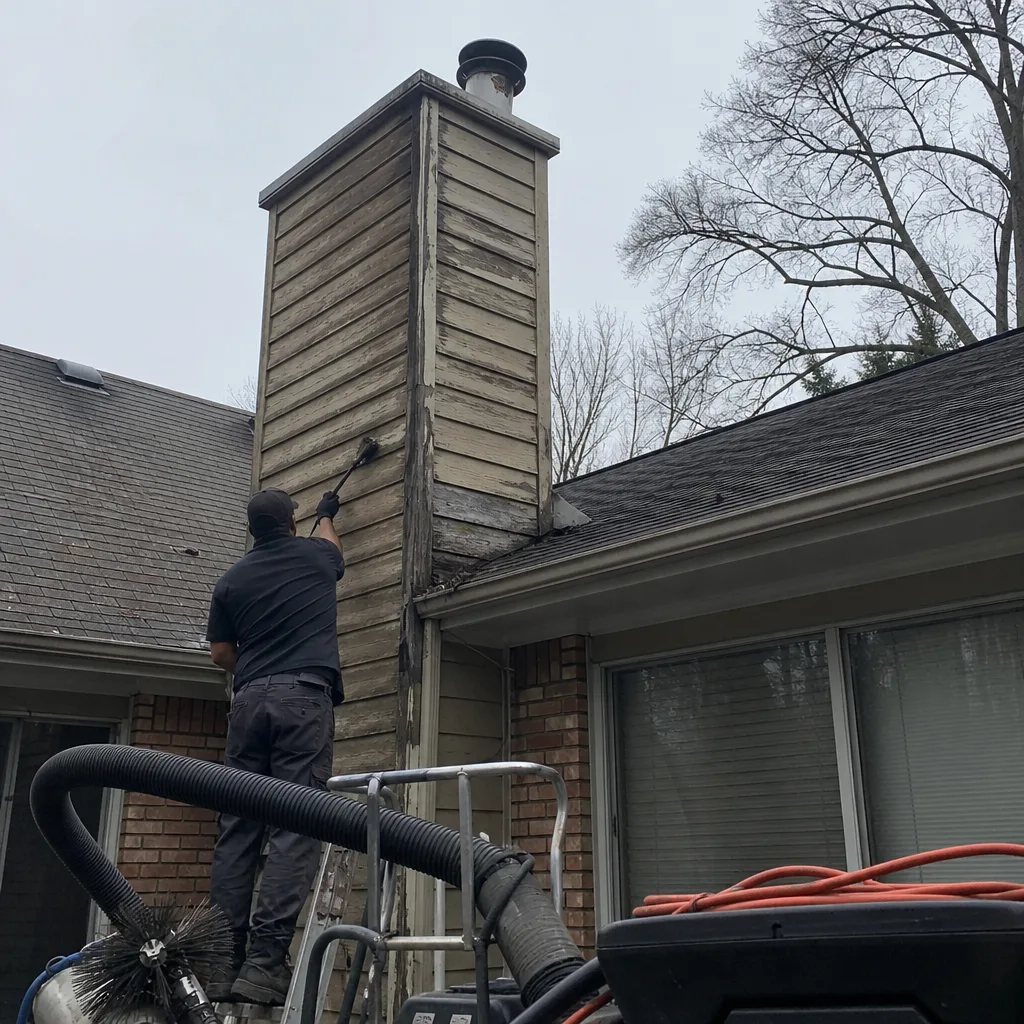 Before
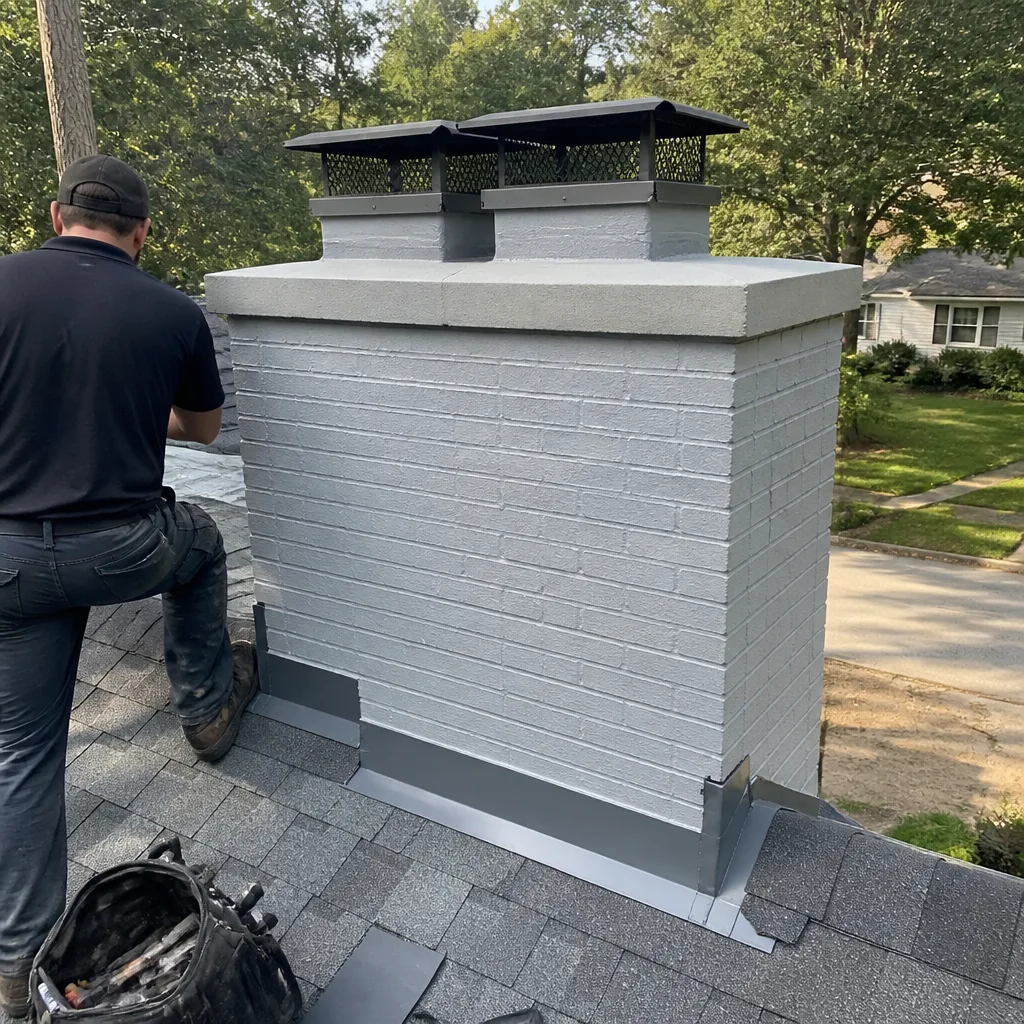 After
After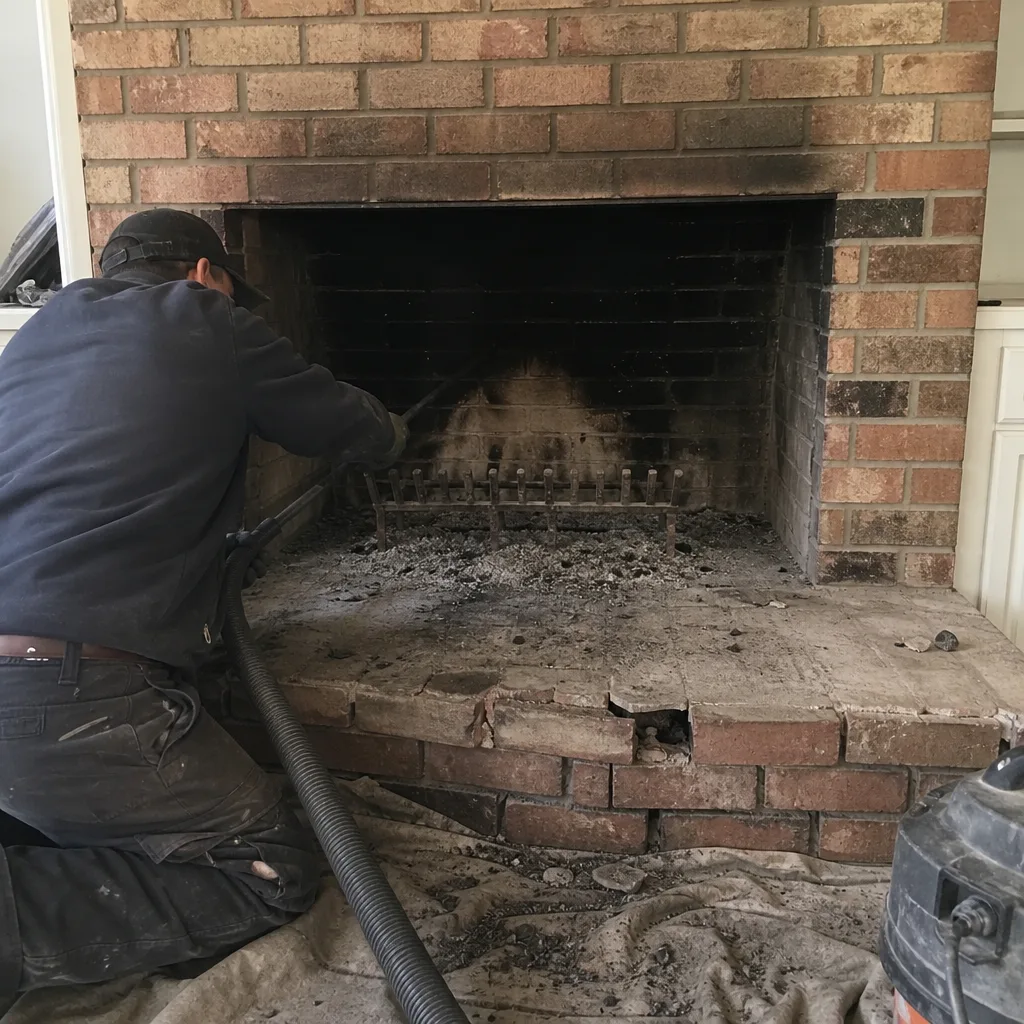 Before
 After
After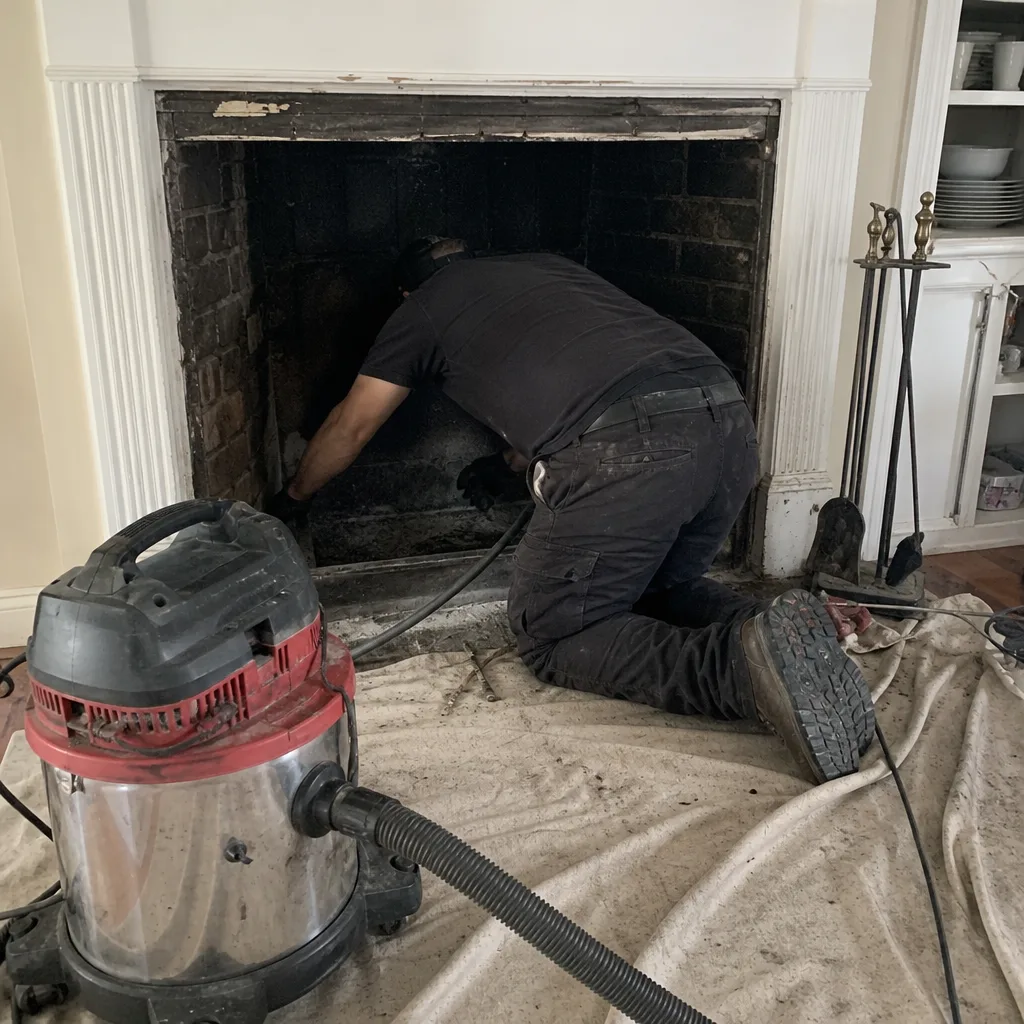 Before
 After
After