
Last updated October 15, 2026
 Sweep & inspection
 Caps & crowns
 Flue relining
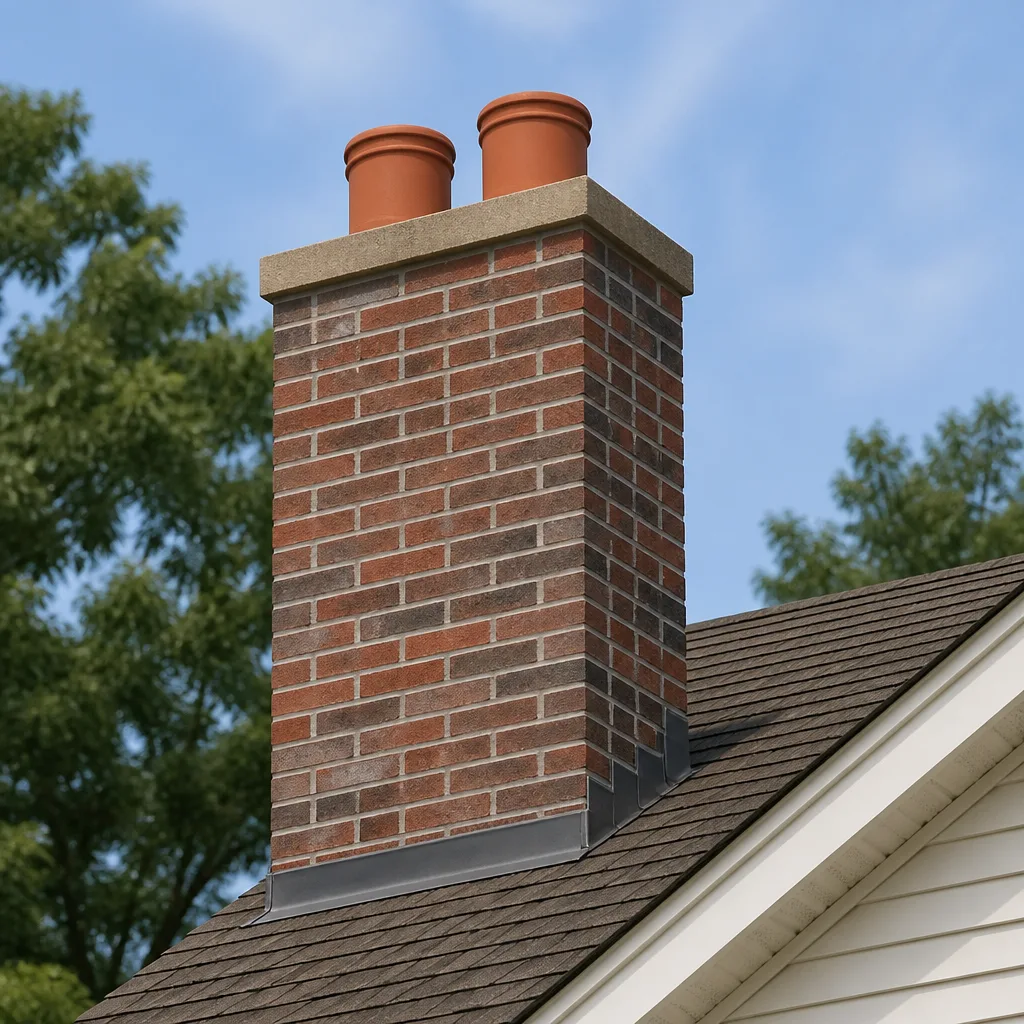 Masonry repair
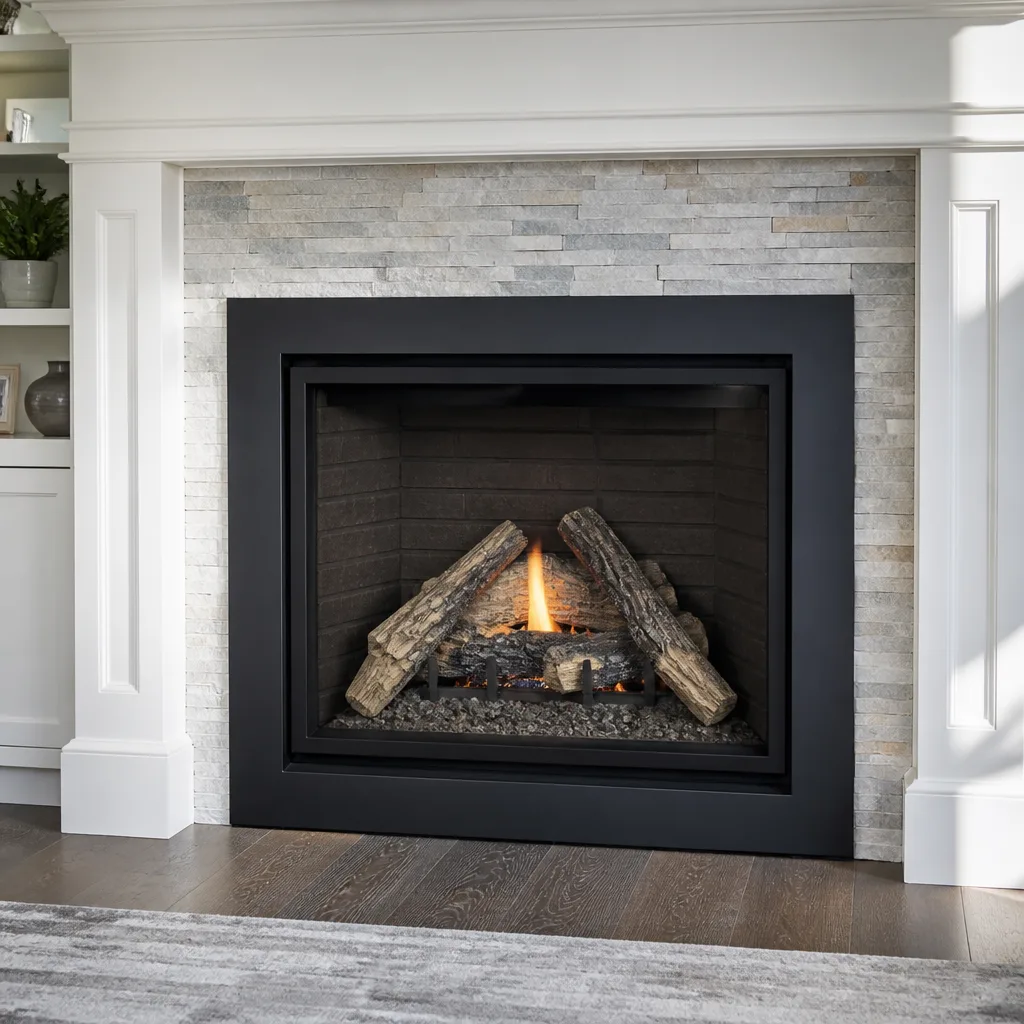 Gas fireplace service
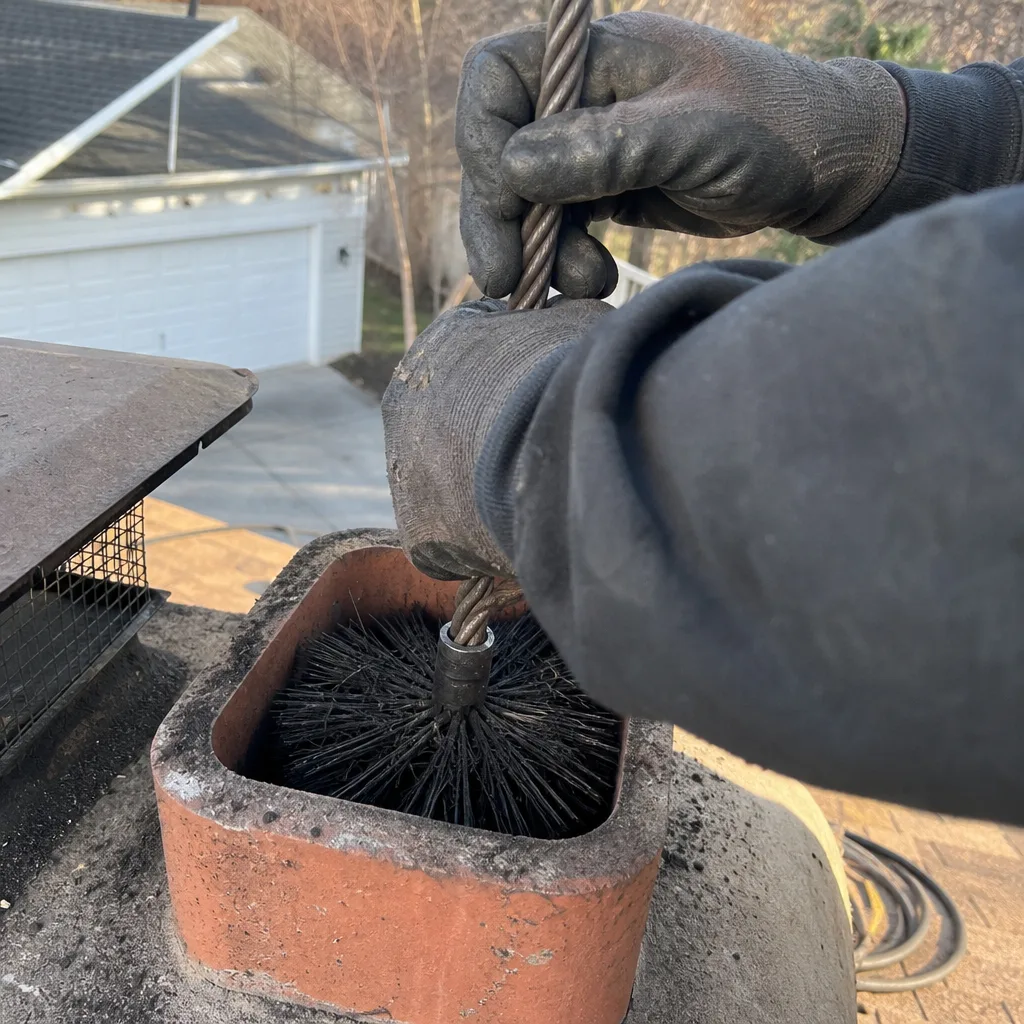
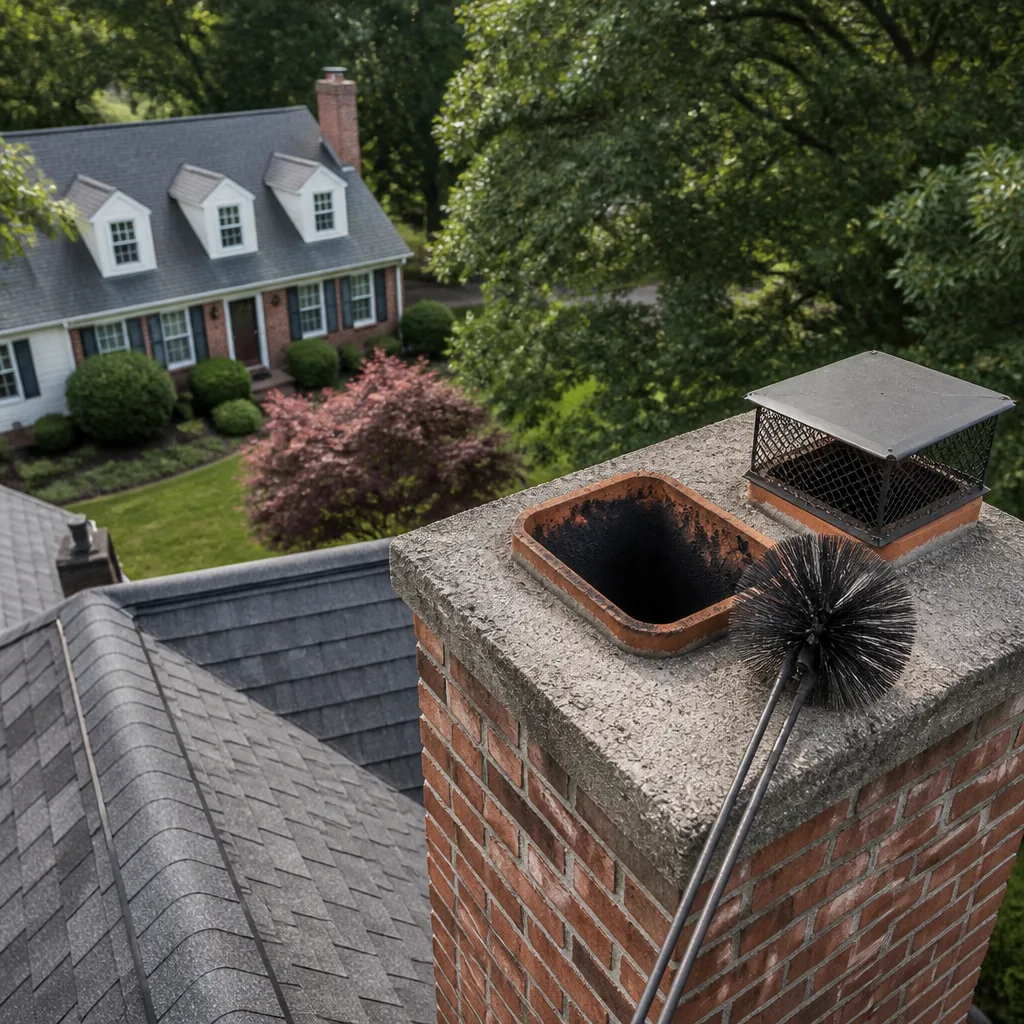
Level 1 sweep and inspection to the NFPA 211 annual standard - flue, crown, cap, and flashing checked and photographed
Chimney sweep logs do not sweep chimneys. They loosen some creosote - which then falls where a brush and vacuum still have to collect it.
The Complete Guide to Chimney Cleaning in Atlanta
Most Atlanta homeowners use their fireplace fewer than 20 nights a year. That sounds low-risk, but here’s what the national chimney advice won’t tell you: short, infrequent burns at low temperatures are exactly the conditions that produce Stage 2 creosote, the glazed, tar-like deposit that is roughly three times harder to remove and far more flammable than what high-use fireplaces in colder climates produce. This guide explains why Atlanta’s unique humidity and short burn season change the rules for chimney cleaning, what you should actually pay in 2026, and how to verify a sweep before they ever walk through your door. For more guides & resources, visit our blog.
Styles & brands we work with
Quick Answer
Chimney cleaning in Atlanta typically costs between $189 and $450 depending on the service level, inspection type, and condition of the flue. Most Atlanta homes with a wood-burning fireplace should be swept once per year, with a Level 1 inspection included in the sweep. Homes burning pine or sweetgum, or those with older unlined chimneys, often need more frequent attention due to faster creosote accumulation in Georgia’s humid climate.
Table of Contents
- Why Atlanta’s Climate Makes Chimney Cleaning Different
- How Often Should Atlanta Homeowners Clean Their Chimney?
- Georgia Wood Types and What They Mean for Your Chimney
- 2026 Chimney Cleaning Costs in Atlanta: Real Numbers
- Level 1 vs. Level 2 Inspections: What You’re Actually Paying For
- How to Verify a Chimney Sweep Before They Arrive
- What You Can (and Shouldn’t) Do Yourself
- Common Mistakes to Avoid
- Frequently Asked Questions
Why Atlanta’s Climate Makes Chimney Cleaning Different
The most important thing to understand about chimney maintenance in Atlanta is that our humidity changes how creosote forms. National chimney guides are usually written for places like Minnesota or New England, where fireplaces burn hot and often from October through April. In those conditions, creosote tends to form as flaky, dusty Stage 1 deposits that brush off relatively easily. Atlanta is different.
Creosote forms when wood smoke cools and condenses on the inside of the flue. In a humid climate, the moisture content of both the air and the firewood you burn is higher. That means more cool, damp smoke hitting your flue walls, and more condensation. The result, especially with the short, low-intensity fires typical of an Atlanta winter evening, is creosote that builds up as a hard, shiny glaze. Technicians call this Stage 2 or Stage 3 creosote. It does not brush off with a standard wire brush. It requires chemical treatment or mechanical removal with special rotary tools.
The pattern is consistent in our experience: a fireplace used for 15 nights in November and December, then left alone from February through October, can have a worse creosote situation than a fireplace in Chicago that burned six nights a week all winter. The reason is temperature. Those few Atlanta burns are rarely hot enough to keep the flue from condensing, and the long idle period lets acidic deposits sit and cure on the chimney walls. Moisture from Georgia’s long, humid summers does not help either. That is why a one-size-fits-all advice of “sweep once a year” often undersells what an Atlanta chimney actually needs.
How Often Should Atlanta Homeowners Clean Their Chimney?
The short answer: every year, before the first sustained cold snap, which in Atlanta usually means booking a sweep in September or October. The National Fire Protection Association (NFPA 211) states that chimneys, fireplaces, and vents should be inspected at least once a year and cleaned as needed. “As needed” is the part that matters in Atlanta, because our conditions mean “needed” is almost always the answer.
Here is the schedule we recommend for Atlanta homeowners based on how the fireplace gets used:
- Wood-burning fireplace used 10-20 nights per year: Annual sweep. This is the standard Atlanta pattern, and it produces more Stage 2 creosote than most people expect.
- Wood-burning fireplace used more than 3 nights per week in winter: Sweep every 6 months. The flue gets less idle time but sees heavier total deposits.
- Gas fireplace used regularly in winter: Annual inspection and cleaning of the burner and venting. Gas does not produce creosote, but soot, dust, and possible vent blockages still need attention.
- Fireplace used rarely or never: Still inspect annually. Critters, moisture, and debris accumulate in unused flues faster than people realize. A bird’s nest or a chirping flue in the spring is common in Atlanta’s tree-heavy neighborhoods.
One point we make to every customer: do not wait until you see smoke rolling back into the room or smell a campfire odor in July to book a sweep. By the time a chimney is visibly dirty enough to notice, deposits have usually reached a level that is a fire hazard. The annual rhythm exists for a reason, and Atlanta’s short burn season makes that rhythm even more important, not less.
Georgia Wood Types and What They Mean for Your Chimney
What you burn matters as much as how often you burn it. Georgia’s forests give homeowners three main firewood options, and each affects the chimney differently.
Pine (Loblolly and Slash Pine)
Pine is everywhere in Georgia, and a lot of people burn it because it is cheap or free after a storm. It is also the worst common wood for creosote production. Pine is a softwood with high resin content. That resin is the raw material for creosote, and burning pine produces a thick, smoke-heavy fire with a lower average flue temperature. For an Atlanta homeowner burning pine for a casual evening fire, Stage 2 buildup can happen in a single season. If you burn pine, an annual sweep is a hard minimum.
Oak (White and Red Oak)
Oak is the gold standard Georgia firewood. It is dense, it burns hot, and it produces far less smoke and resin vapor than pine. The catch is seasoning. Green oak is heavy with moisture, and burning it before it has dried for at least 12 to 18 months creates steamy, low-temperature fires that are almost as bad for creosote as pine. Properly seasoned oak, with moisture content below 20%, is your best choice for keeping a clean flue. If you buy oak in Atlanta, ask the seller how long it has been split and stacked.
Sweetgum
Sweetgum is abundant in metro Atlanta and is often sold as firewood. It is a poor substitute for oak. Sweetgum dries slowly, pops and sparks, and burns at a moderate temperature with significant smoke output. It is not a creosote nightmare like pine, but it is not a clean-burning wood either. If sweetgum is your primary fuel, plan for more frequent inspections and expect a heavier, stickier deposit on the flue walls.
The practical takeaway for Atlanta homeowners: if you are burning oak that has been seasoned for over a year, your annual sweep will likely find manageable buildup. If you are burning a mix of pine and sweetgum, do not be surprised when the technician shows you a flue that needs more than a standard brushing.
2026 Chimney Cleaning Costs in Atlanta: Real Numbers
Chimney cleaning prices in Atlanta are not a mystery, and you should be suspicious of anyone who will not give you a number before they see the fireplace. Here is what the 2026 market actually looks like for a standard masonry chimney in a single-family home inside the Perimeter.
| Service | Typical 2026 Atlanta Price Range | What It Includes |
|---|---|---|
| Standard chimney sweep (Level 1) | $189 – $279 | Flue brushing, smoke chamber cleaning, firebox cleanup, basic visual inspection |
| Sweep with Level 2 inspection | $349 – $549 | Full sweep plus video scan of flue interior, access from roof or attic where needed |
| Heavy Stage 2 or Stage 3 creosote removal | $320 – $450+ | Chemical treatment or rotary-head mechanical removal for glazed deposits |
| Chimney cap supply and installation | $120 – $350 | Depends on flue size, material (stainless vs. copper), and roof access |
| Chase cover replacement | $250 – $500 | For prefab or factory-built fireplace chimneys |
| Gas fireplace cleaning and inspection | $150 – $250 | Burner cleaning, log set inspection, vent check |
These ranges reflect what we see across metro Atlanta, including intown neighborhoods like Virginia-Highland, Decatur, and Grant Park, and suburban areas like Marietta, Sandy Springs, and Roswell. Larger chimneys, steep roofs, and chimneys that have not been cleaned in three or more years will push toward the higher end or beyond it.
Beware of the $79 sweep. In Atlanta that price almost always means a technician arrives, does a quick brush, and then spends 30 minutes upselling a liner replacement or a tuckpointing job the chimney may not need. A legitimate sweep with a Level 1 inspection takes 45 to 90 minutes and involves roof access, proper drop cloths, and a real inspection report. A fair price in Atlanta is the one that comes with a written quote before the work starts and a written guarantee after.
Level 1 vs. Level 2 Inspections: What You’re Actually Paying For
The inspection terminology comes from NFPA 211, and understanding the difference is the single best way to avoid being overcharged or under-served.
Level 1 Inspection
A Level 1 inspection is a visual check of the readily accessible parts of the chimney and fireplace. The technician looks at the firebox, the damper, the smoke chamber, and the accessible flue interior using a flashlight and, typically, a standard brush sweep at the same time. There is no video camera and no access to hidden areas like the attic chase or the sections of flue hidden behind walls.
A Level 1 is appropriate when the chimney is being cleaned as part of routine annual maintenance and nothing about the system has changed. This is what most Atlanta homeowners receive during their annual sweep, and it is included in the standard sweep price. If the appointment is priced under $300 and they start talking about a video scan for an extra $200 without any reason, ask why. The answer should be tied to a specific observation, not a blanket upsell script.
Level 2 Inspection
A Level 2 inspection includes everything in a Level 1 plus a video scan of the flue interior and access to the chimney in the attic, crawlspace, and on the roof. It is indicated in several specific situations:
- You are buying or selling a home. This is the standard real estate transaction inspection in Georgia.
- A change has been made to the system, like a new liner, a new appliance, or a new fuel type.
- The chimney has been subject to a weather or seismic event. In Atlanta, that usually means severe thunderstorms, falling tree limbs, or the occasional tornado-producing storm system.
- The chimney has not been inspected in more than three years and you don’t know its history.
- You have recently had chimney work done by another company and want a second opinion on the flue’s condition.
For a homeowner in an older Atlanta neighborhood like East Atlanta, Kirkwood, or Historic College Park, a Level 2 is often the right call at least once. Many of these homes have clay tile liners that are 40, 60, or 80 years old, and the video scan is the first time anyone has actually seen the inside of the flue. The cost of a Level 2 inspection in Atlanta, $349 to $549 including the sweep, is modest compared to the cost of discovering a cracked liner only after it has already allowed heat to reach the home’s framing.
Alcott Chimney Atlanta performs Chimney Inspection in Atlanta services at both levels, and we always include a written price before any work begins.
How to Verify a Chimney Sweep Before They Arrive
Chimney sweeping is not a licensed trade in Georgia. That surprises most Atlanta homeowners, and it should. Georgia does not require chimney sweeps to hold a state license, which means anyone with a truck and a brush can call themselves a chimney sweep. Your safety depends on the company’s own standards, not a regulatory body. Here is how to verify a sweep the right way.
- Ask for CSIA certification and confirm it independently. The Chimney Safety Institute of America (CSIA) is the national credentialing body for this trade. To become CSIA-certified, a technician must pass a written exam covering fire codes, clearances, and inspection standards, and must either complete documented on-the-job training or attend a training course. You can verify a CSIA credential through the CSIA’s public certification directory online. Do not accept a framed piece of paper in the truck as proof; look up the name yourself.
- Ask who is actually coming to your home. A reputable company should be able to tell you the technician’s name before the appointment. Some companies rotate subcontractors, which means the person at your door is not the person the company screened. At Alcott Chimney Atlanta, every technician is background-checked and identity-verified before ever stepping on your property, and you receive their name and photo before the visit. That is the Threshold Standard, and it is non-negotiable.
- Ask for a written price before work starts. This is the single best filter for separating legitimate sweeps from commission-based sales crews. A real chimney company will look at your fireplace, explain what they found, and give you a written quote. If the quote is verbal and the price keeps moving, end the appointment.
- Ask about the guarantee in writing. “Satisfaction guaranteed” means nothing. Ask exactly what is covered, for how long, and what happens if something fails. At Alcott, every repair carries a written guarantee, and if a repair fails within the coverage period, the second visit is free. That is the 365-Day Done Right Promise, and it is included on every job, not offered as an upsell.
- Verify insurance and ask about bond status. A legitimate sweep carries general liability insurance. Ask for a certificate of insurance if you are not sure.
What You Can (and Shouldn’t) Do Yourself
There is a persistent online myth that chimney cleaning is a simple weekend DIY project. It is not, for a very simple reason: climbing onto an Atlanta roof with a chimney brush and a drill is the point where most injuries happen. Falls from roofs are a leading cause of non-fatal injury among homeowners attempting their own chimney work, and the condition of many Atlanta roofs, aged shingles mixed with moss and mildew from humid summers, makes the risk worse, not better.
What you can safely do yourself between professional cleanings:
- Visually check the firebox for creosote buildup. Shine a flashlight up past the damper and look for dark, shiny glaze on the flue walls. If you see it, book a sweep.
- Check the damper operates smoothly when the fireplace is cold. A stuck damper is a signal to schedule service.
- Look for water stains on the ceiling around the chimney or in the attic. That is a flashing or crown issue, not a cleaning issue, but it deserves attention.
- Keep the hearth area clear and keep small children and pets away from the fireplace during use.
What you should absolutely not do: climb onto a roof to inspect or clean the flue, attempt chemical creosote removal without knowing what stage of creosote is present, or use a chimney fire log as a substitute for a sweep. Those logs, sold at big-box stores in Atlanta, can convert some Stage 2 deposits into a more brushable form, but they are not a replacement for an annual Chimney Sweep in Atlanta from a trained technician, and they do nothing to inspect the structural safety of the flue.
Common Mistakes to Avoid
- Skipping the annual sweep because the fireplace “looks fine.” The dangerous creosote is inside the flue, not in the firebox where you can see it. By the time you see a problem, the chimney usually needs more than a standard sweep.
- Burning green or wet wood to save money. Unseasoned oak from an Atlanta firewood lot, especially in a rainy year, produces low-temperature fires and heavy creosote. A moisture meter costs $20 and settles the question in seconds.
- Trusting a $79 sweep special. In the Atlanta market, that price almost always comes with a high-pressure sales pitch for work the chimney may not need. You’ll see this pattern from companies that pass through neighborhoods with door hangers and coupon mailers every fall.
- Waiting until November to book. The rush starts the first weekend the temperature drops below 45 degrees. Booking a sweep in September means better availability, calmer scheduling, and sometimes lower pricing before the seasonal surge.
- Assuming a gas fireplace never needs service. Gas appliances still need cleaning and inspection. A dirty burner, a blocked vent, or a cracked log set is dangerous, and a gas fireplace that sits unused all year in Atlanta’s humidity can develop rust and clogging that requires Gas Fireplace Repair in Atlanta.
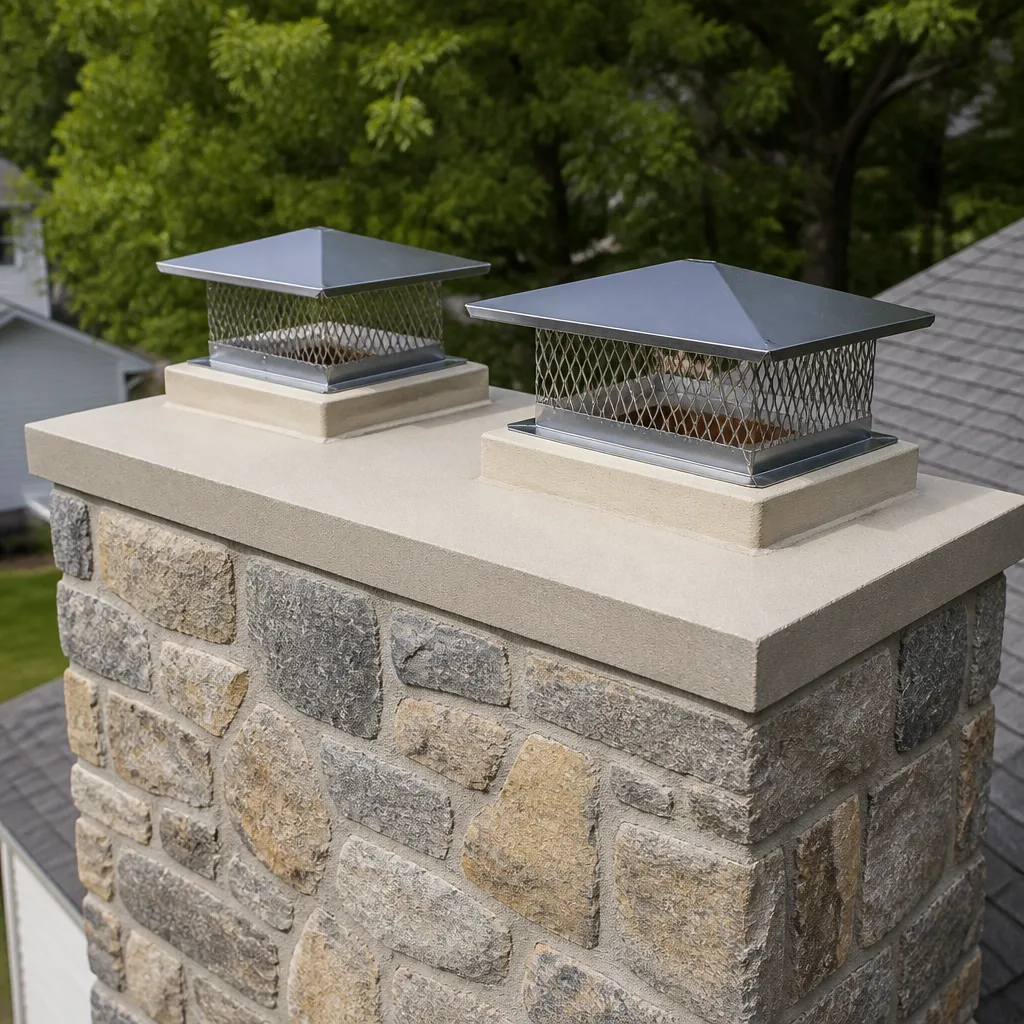
- Ignoring the chimney cap. A missing or damaged cap lets in rain, birds, and squirrels. Atlanta’s canopy-heavy neighborhoods have high squirrel and chimney swift activity, and a nest is a fire hazard and a carbon monoxide risk.
- Using the chimney as a damper first, system second. The fireplace is not just a decorative feature. It is a combustion appliance connected to your home’s air system. Treating it as optional maintenance is how small issues become structural problems.
When to Call a Professional
Call a professional if you smell smoke or a campfire odor when the fireplace is not in use, if you see black glazing in the firebox that you cannot wipe off, if water is entering around the chimney during Atlanta’s heavy spring rains, or if your fireplace has not been inspected in more than two years. These are not cosmetic issues; they are signals that the system is not functioning as it should. For homes with children, older adults, or anyone with respiratory concerns, we lean toward earlier intervention. An inspection is inexpensive compared to the cost of repair after a chimney fire or water damage. Alcott Chimney Atlanta offers free estimates in Atlanta, and you can call (762) 356-6423 to schedule one.
Frequently Asked Questions
A standard chimney sweep with a Level 1 inspection in Atlanta typically costs between $189 and $279. If a Level 2 video inspection is included, expect $349 to $549. Heavy creosote removal, chimney cap installation, or repairs add to the total, and any reputable company will give you a written price before starting the work. Call (762) 356-6423 for a free estimate specific to your home.
Once a year, before the burn season, is the baseline for Atlanta homeowners who use a wood-burning fireplace. For a complete maintenance calendar, see our seasonal chimney cleaning care guide. If you burn pine or sweetgum, burn more than three nights a week, or have a chimney that hasn’t been inspected in years, a six-month schedule may be safer. The annual visit also catches issues like cracked flue tiles and water damage that you won’t see from the living room.
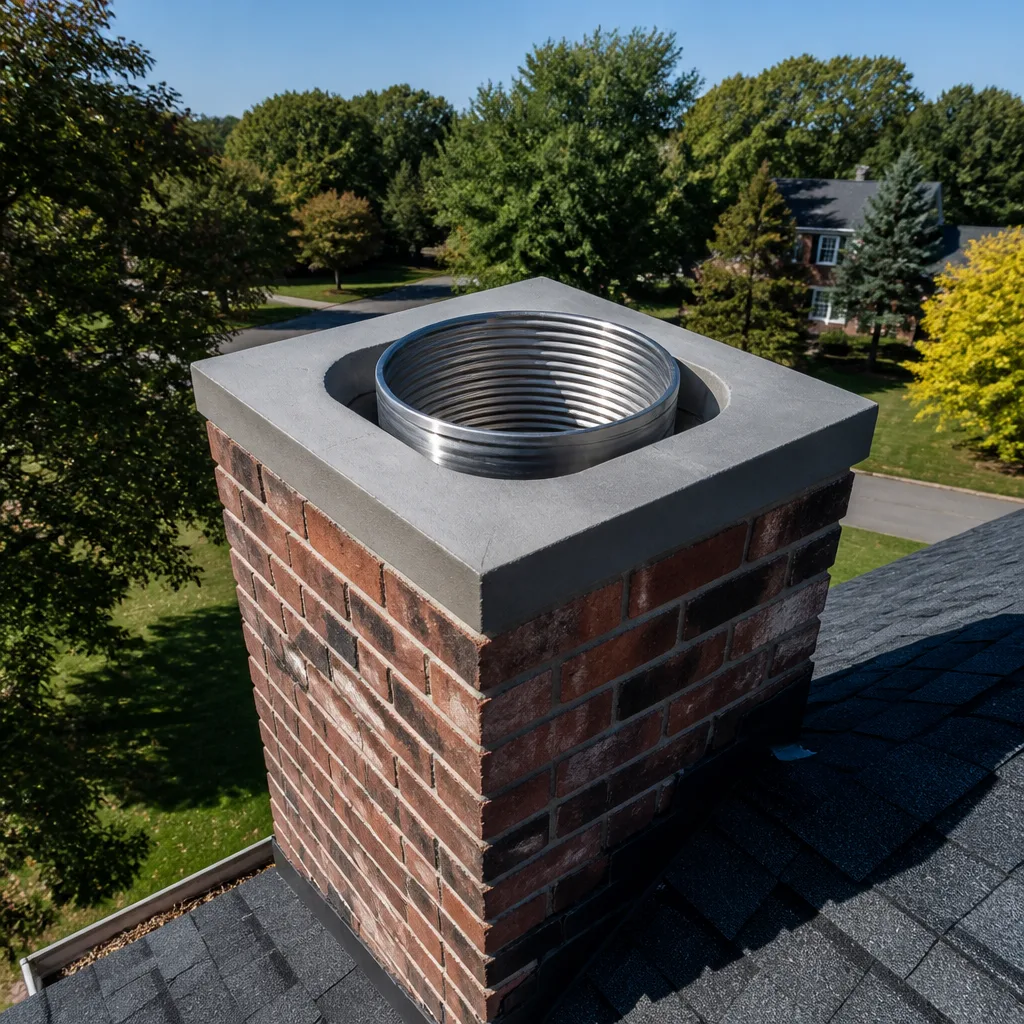
You need a new liner if the existing one is cracked, spalling, or missing pieces, which a video inspection will confirm. Not every chimney with buildup needs a liner; a legitimate sweep will show you the video evidence before recommending replacement. When a liner is needed, Alcott installs systems from brands like DuraFlex and HeatShield, professional-grade materials specified for the job rather than whatever happens to be on the shelf.
Creosote accumulates, hardens into a glaze, and becomes increasingly difficult and expensive to remove. The risk of a chimney fire rises with every burn, and the first sign of trouble may be a loud roaring sound from the flue, which is not the time to learn about maintenance. A chimney fire can crack the flue liner, damage the surrounding masonry, and in severe cases, spread to the home’s structure.
No. Georgia does not have a state license for chimney sweeps, which is why independent verification matters. Look for CSIA certification, written pricing, a written guarantee, and a company that tells you who is coming before they arrive. Those are the markers of a company that holds itself to a standard the state does not enforce.
A sweep is the physical cleaning of the flue; an inspection is the evaluation of the system’s condition. Most professional sweeps in Atlanta include a Level 1 inspection with the cleaning. A Level 2 inspection adds a video camera and access to hidden sections, and it is the right choice when buying a home or if the chimney has not been checked in several years.
The Bottom Line
Chimney cleaning in Atlanta is not a cosmetic chore. Our humid climate, short burn windows, and common firewood choices create the exact conditions for glazed, difficult creosote that burns hotter and sticks harder than anything a colder-climate chimney produces. The answer for most Atlanta homeowners is simple: book an annual sweep with a Level 1 inspection, upgrade to a Level 2 when circumstances call for it, and verify the sweep’s credentials before the appointment. A clean chimney is preventive medicine for your house, and in Atlanta, it should never be skipped. Alcott Chimney Atlanta offers free estimates at (762) 356-6423 and will provide a written price before any work begins.
Written by Ruben Castellano, Owner at Alcott Chimney Atlanta, serving Atlanta since 2002.
See the difference
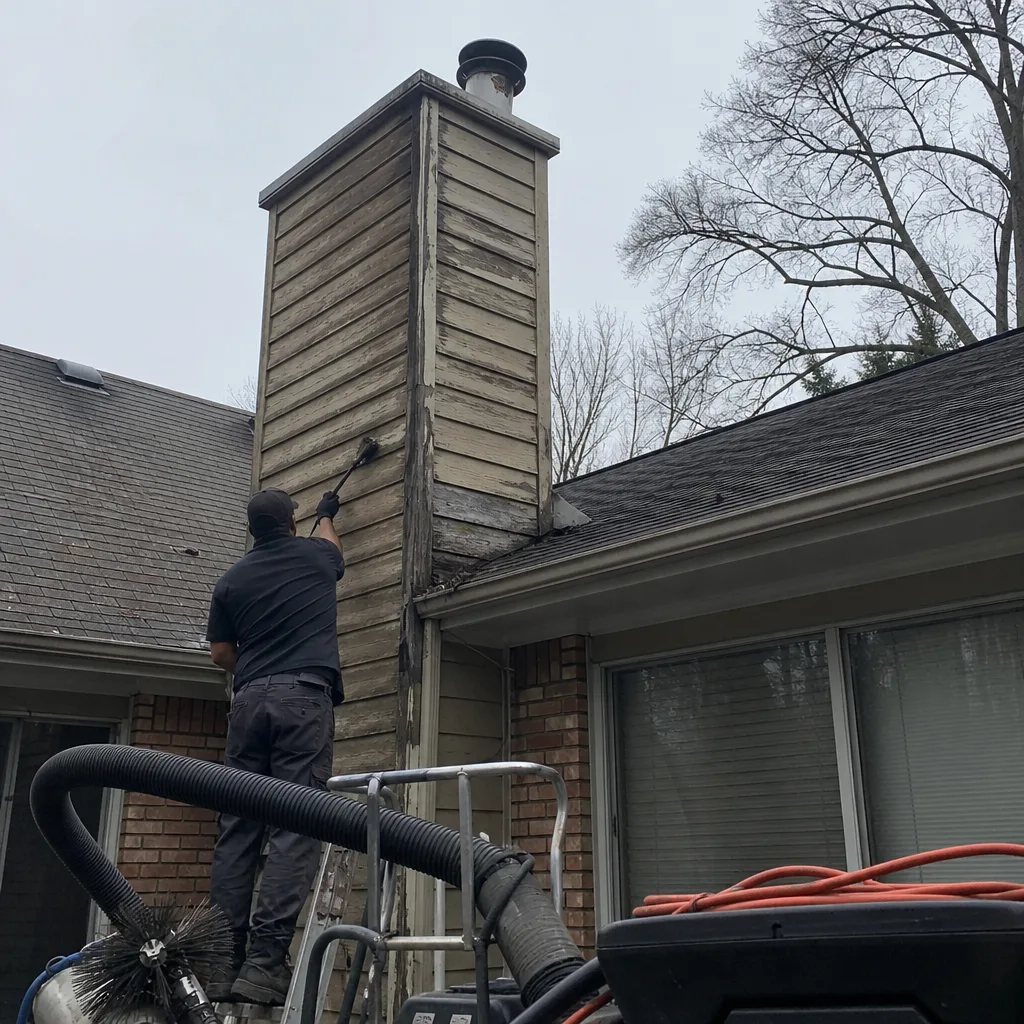 Before
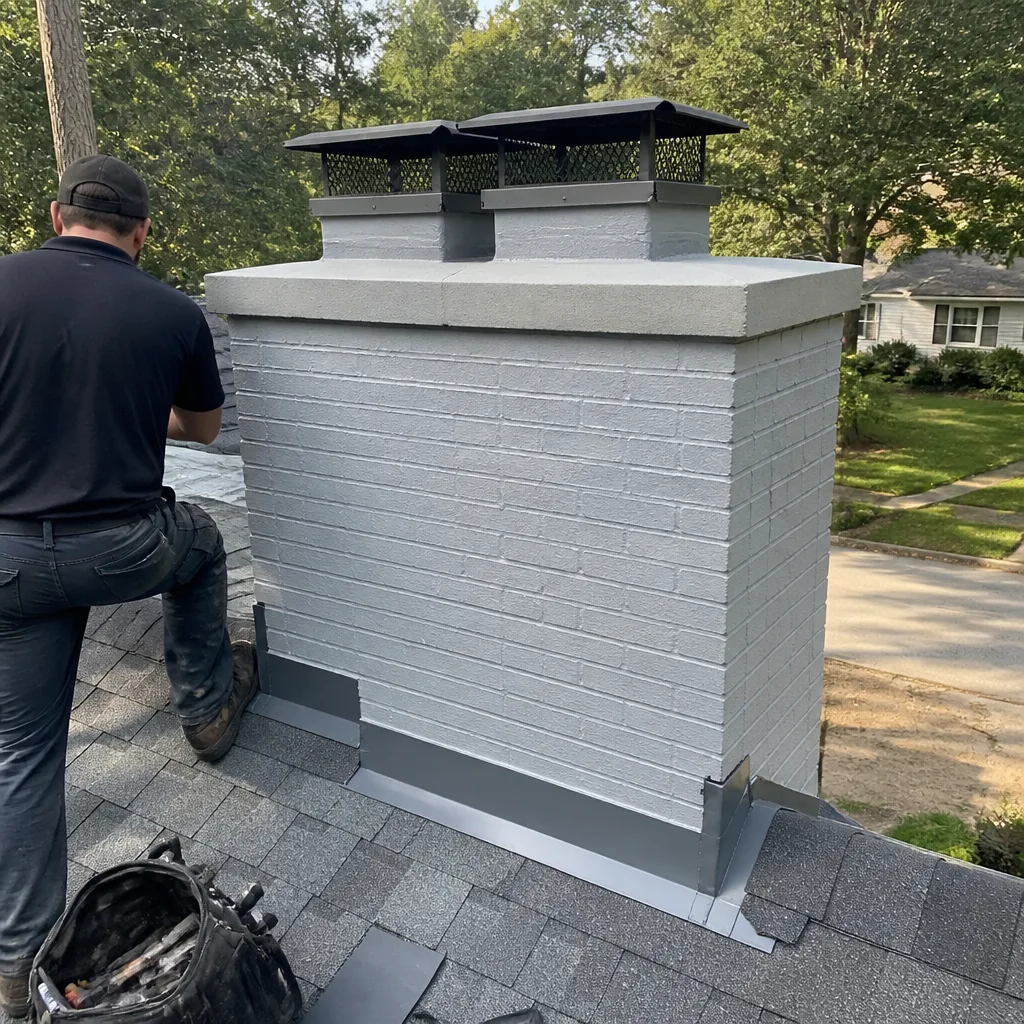 After
After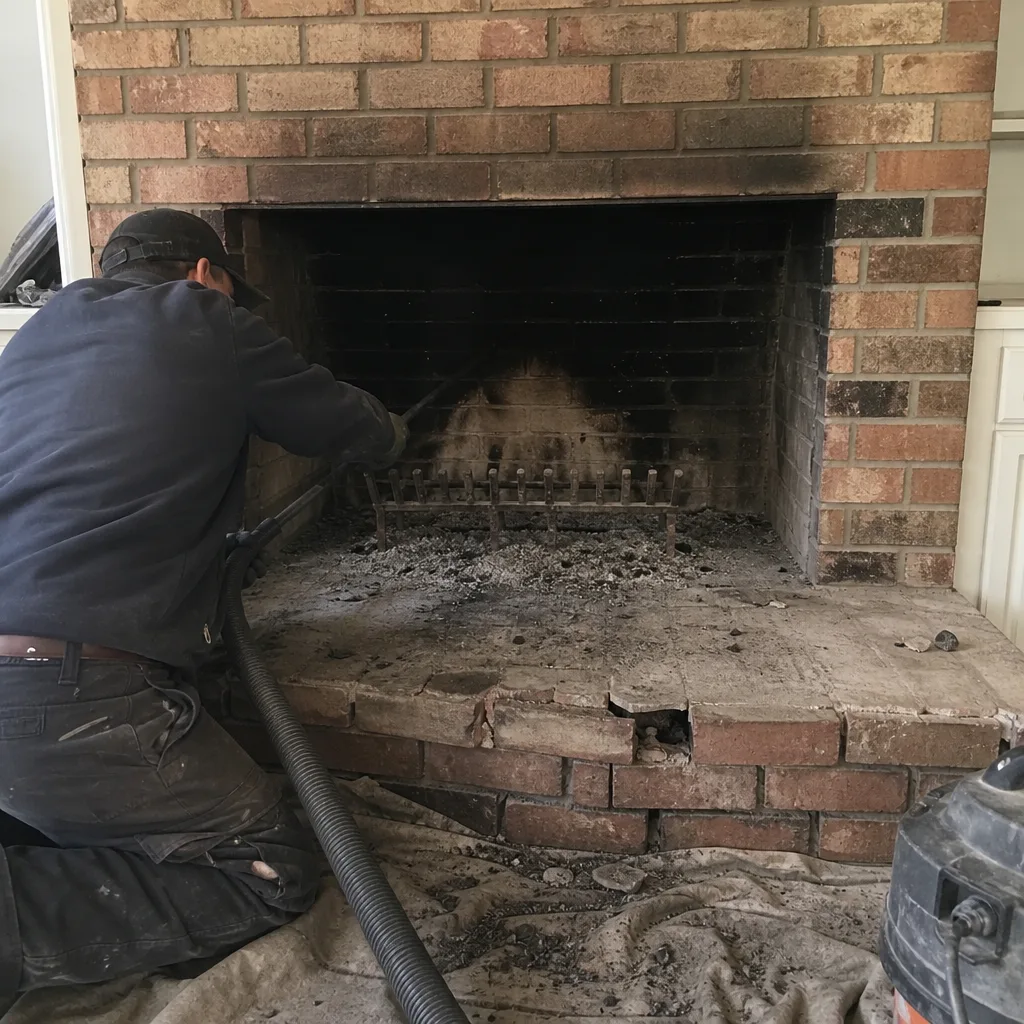 Before
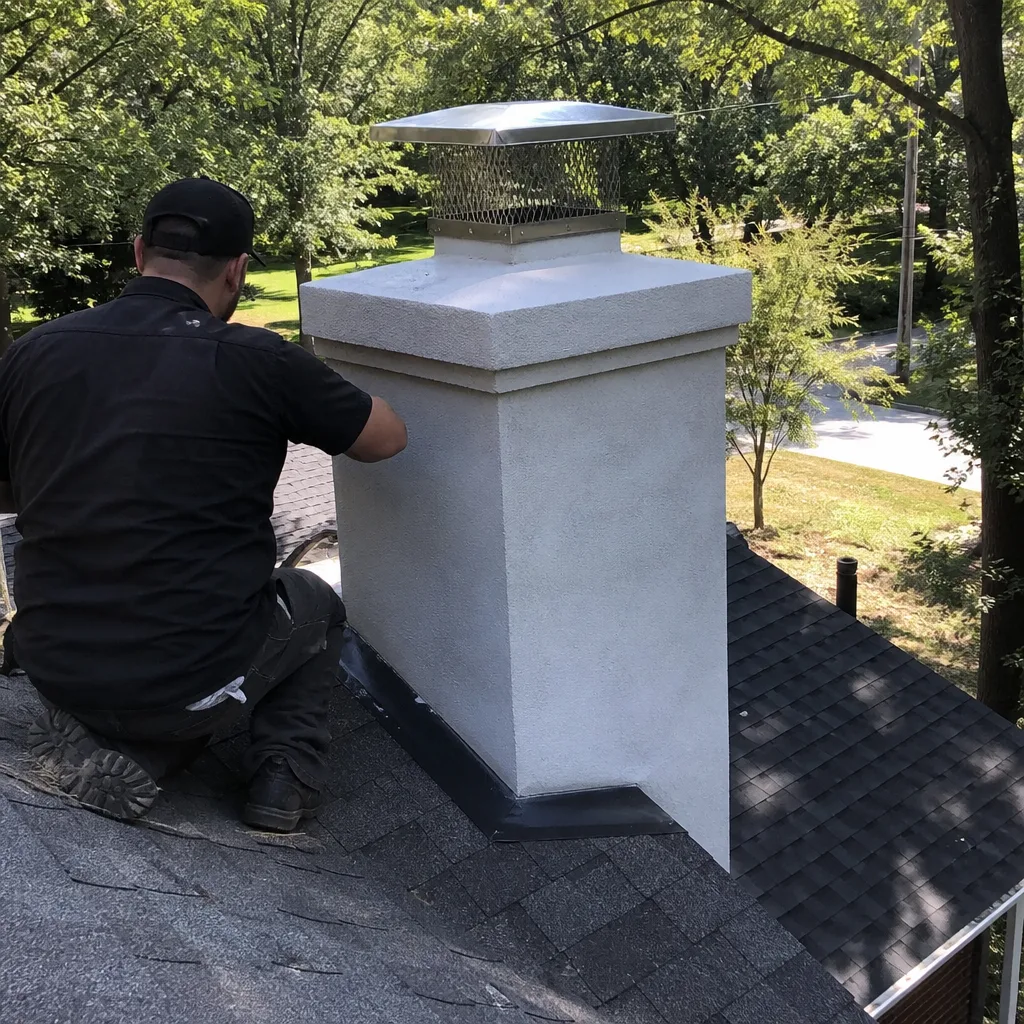 After
After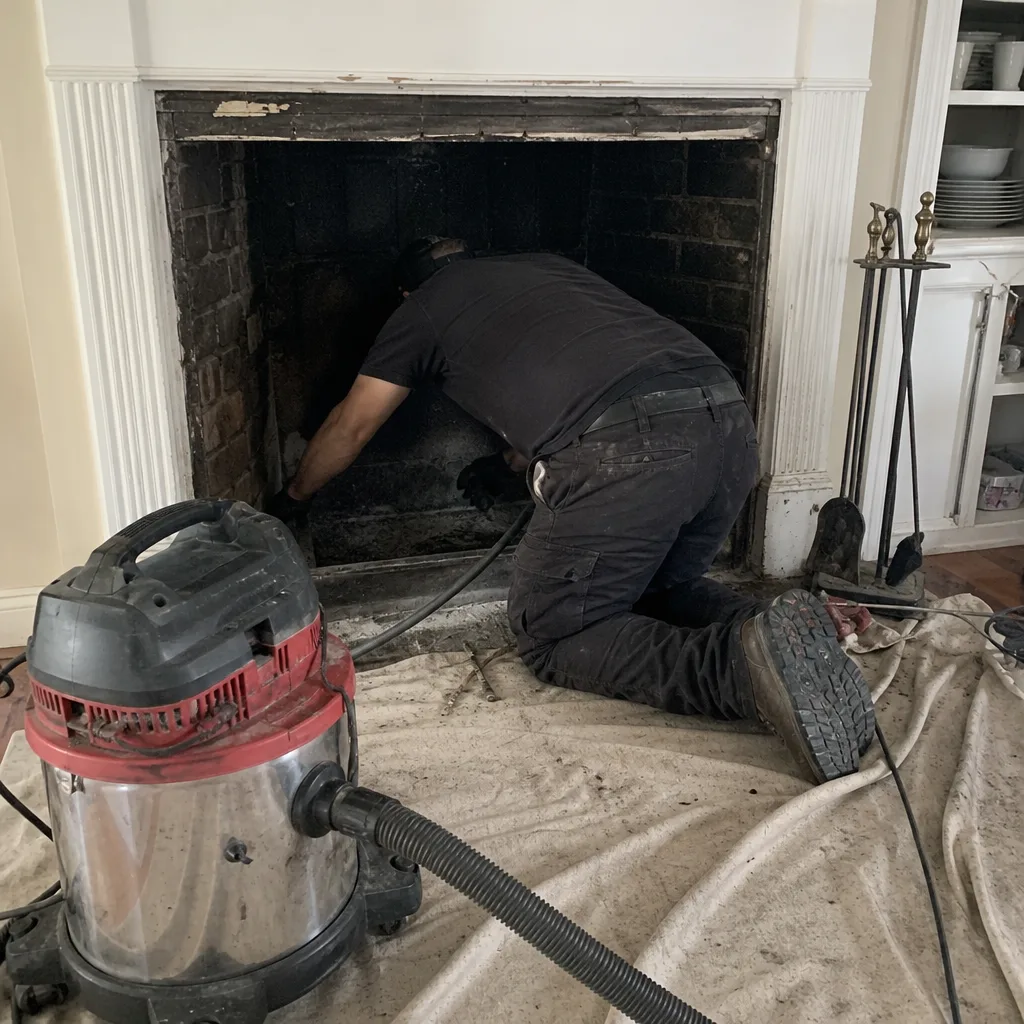 Before
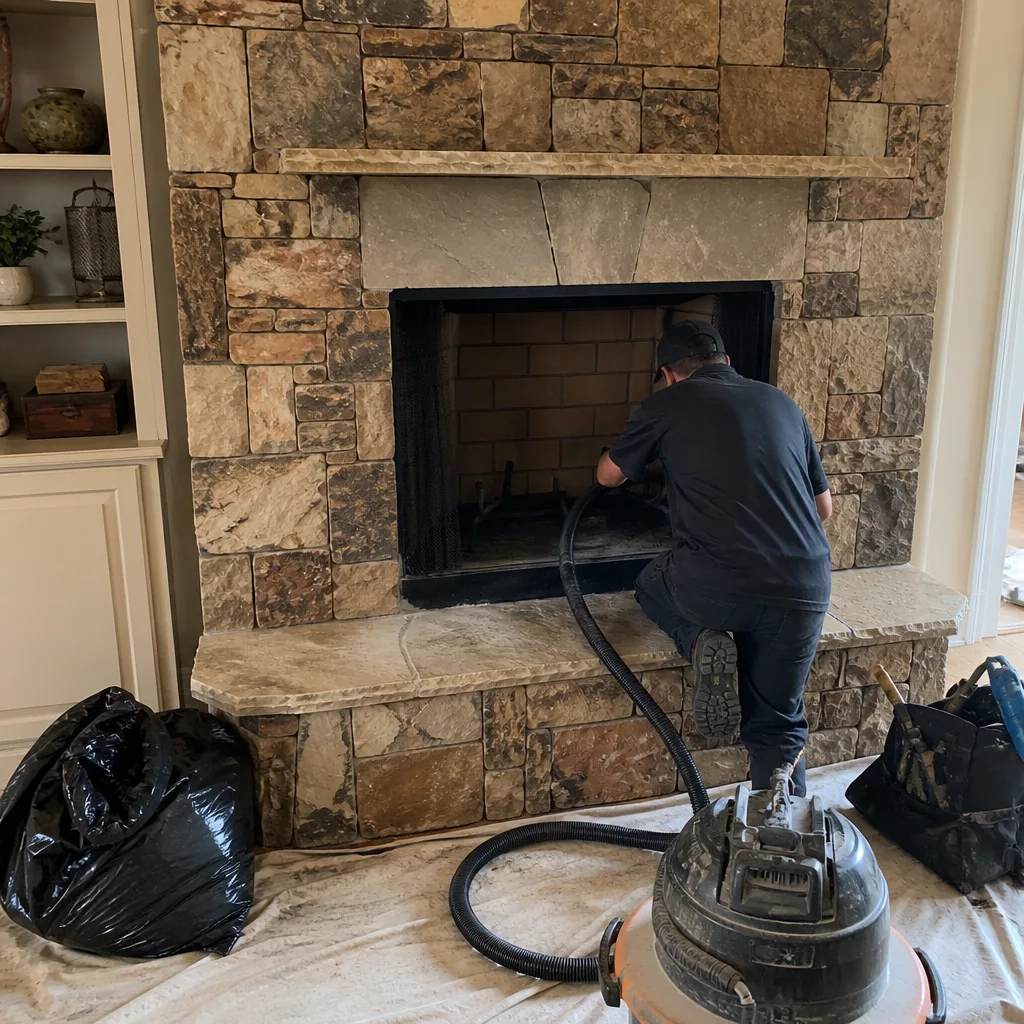 After
After