
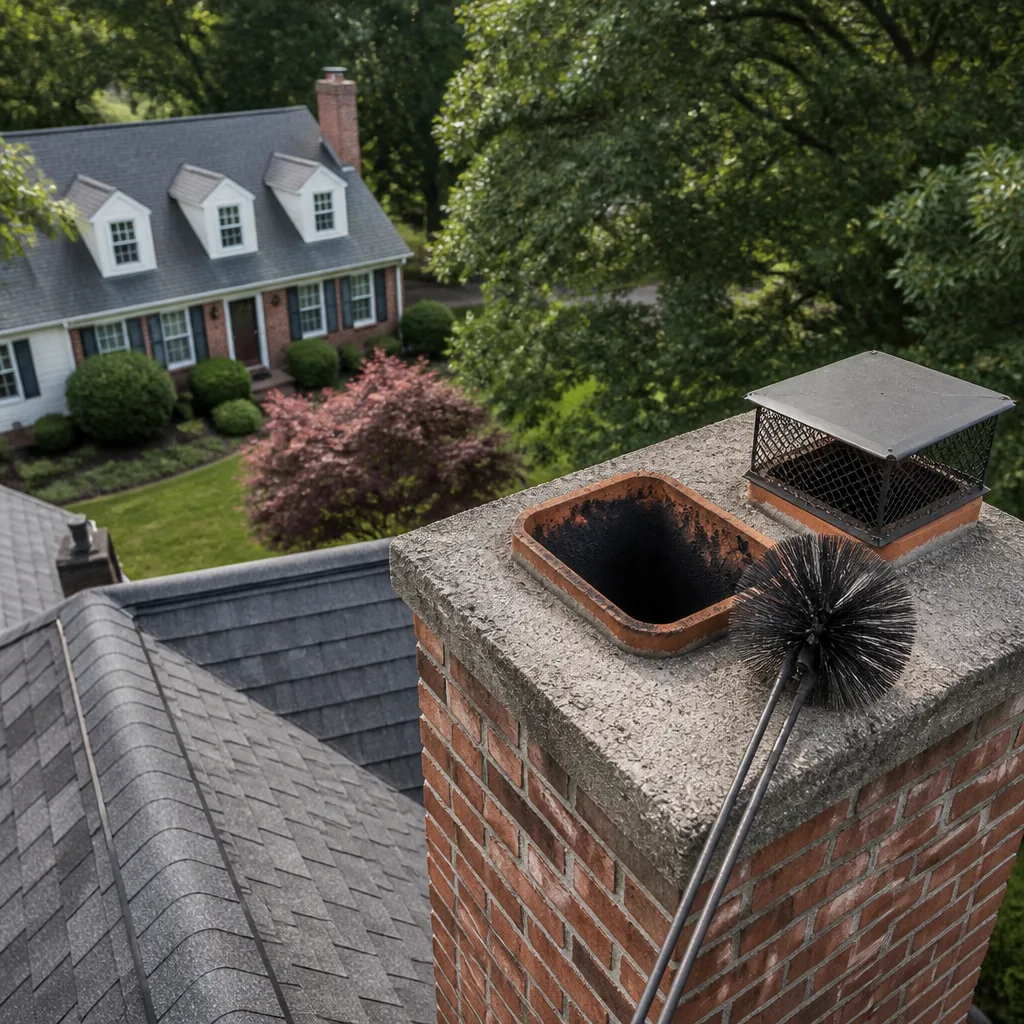
 Sweep & inspection
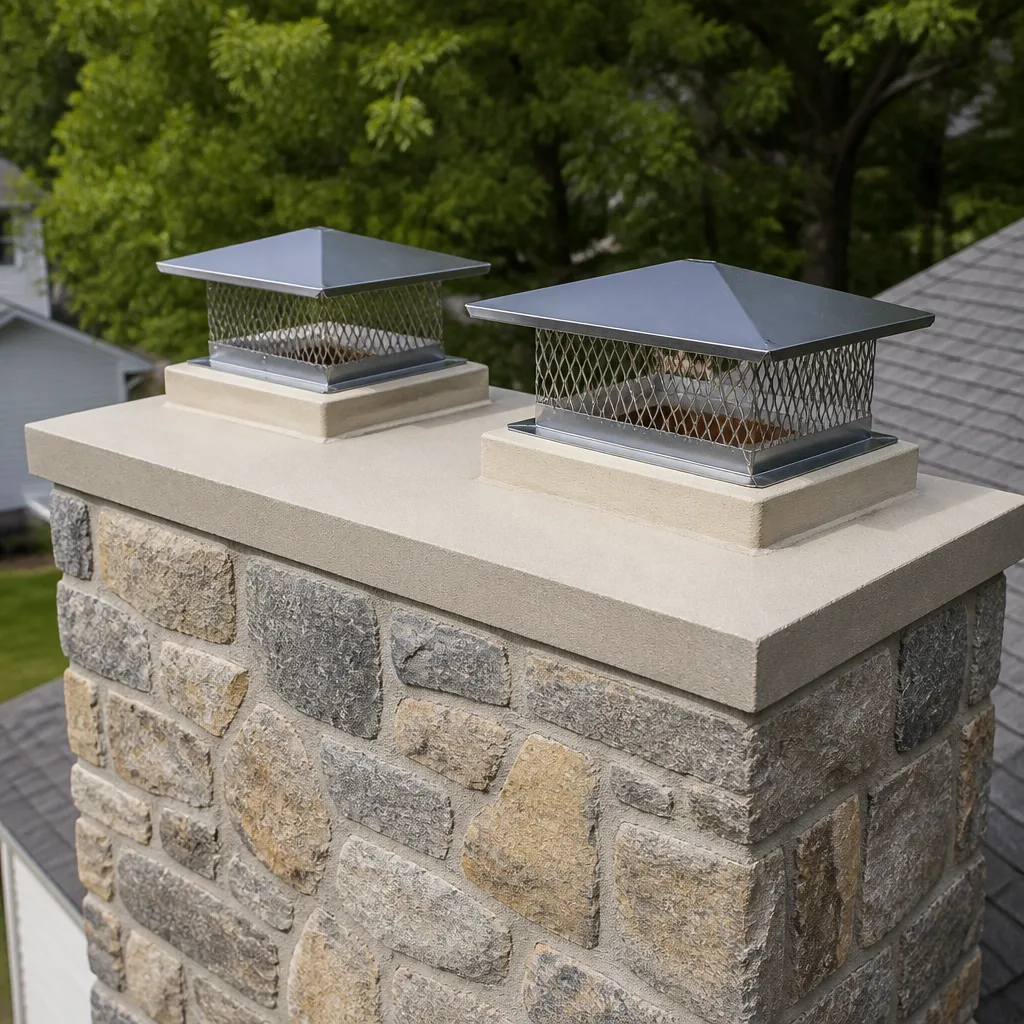 Caps & crowns
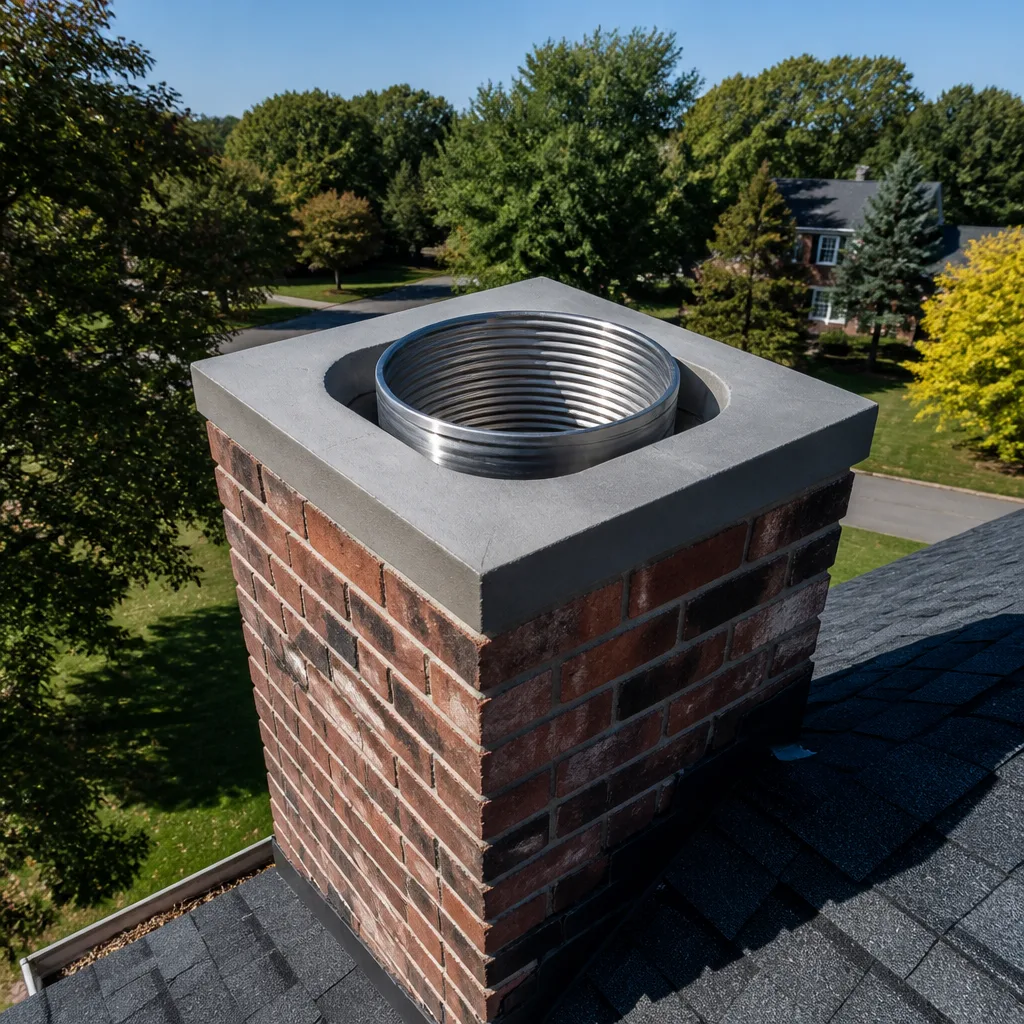 Flue relining
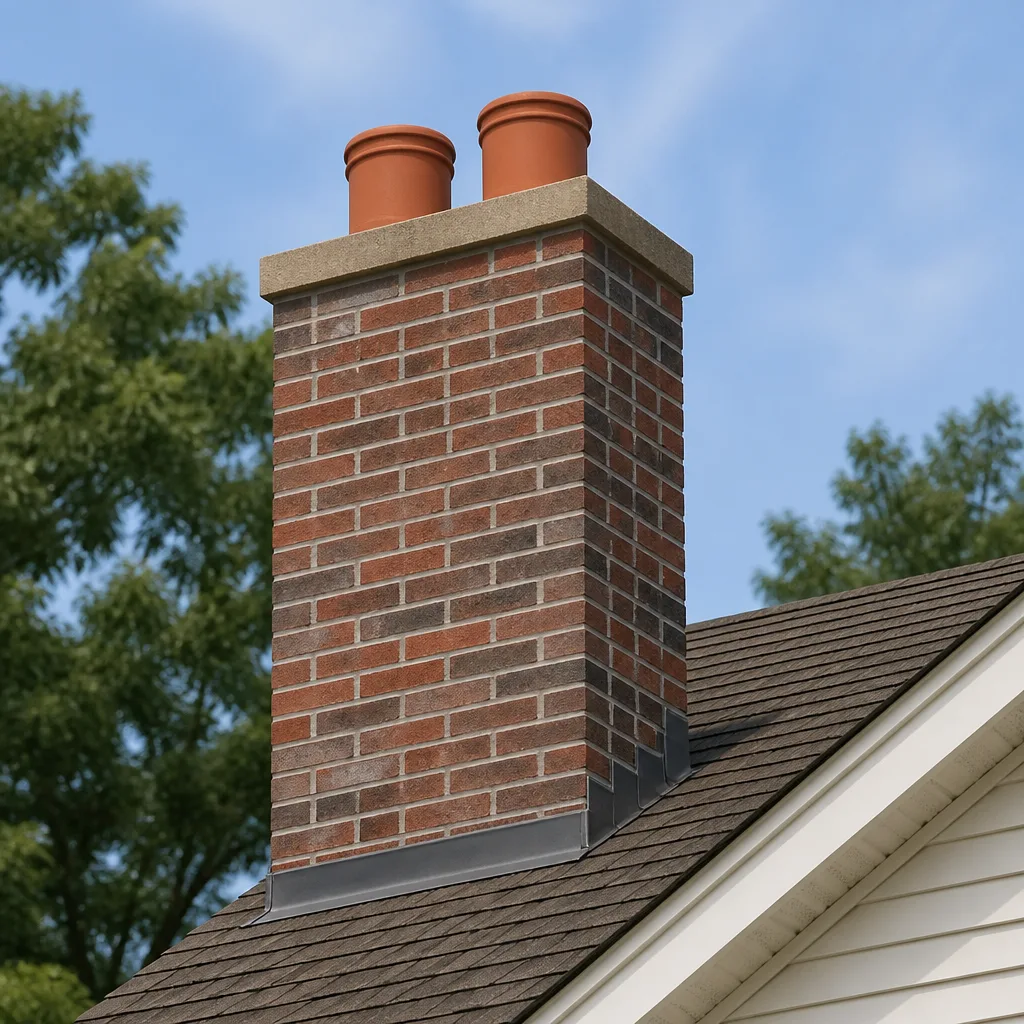 Masonry repair
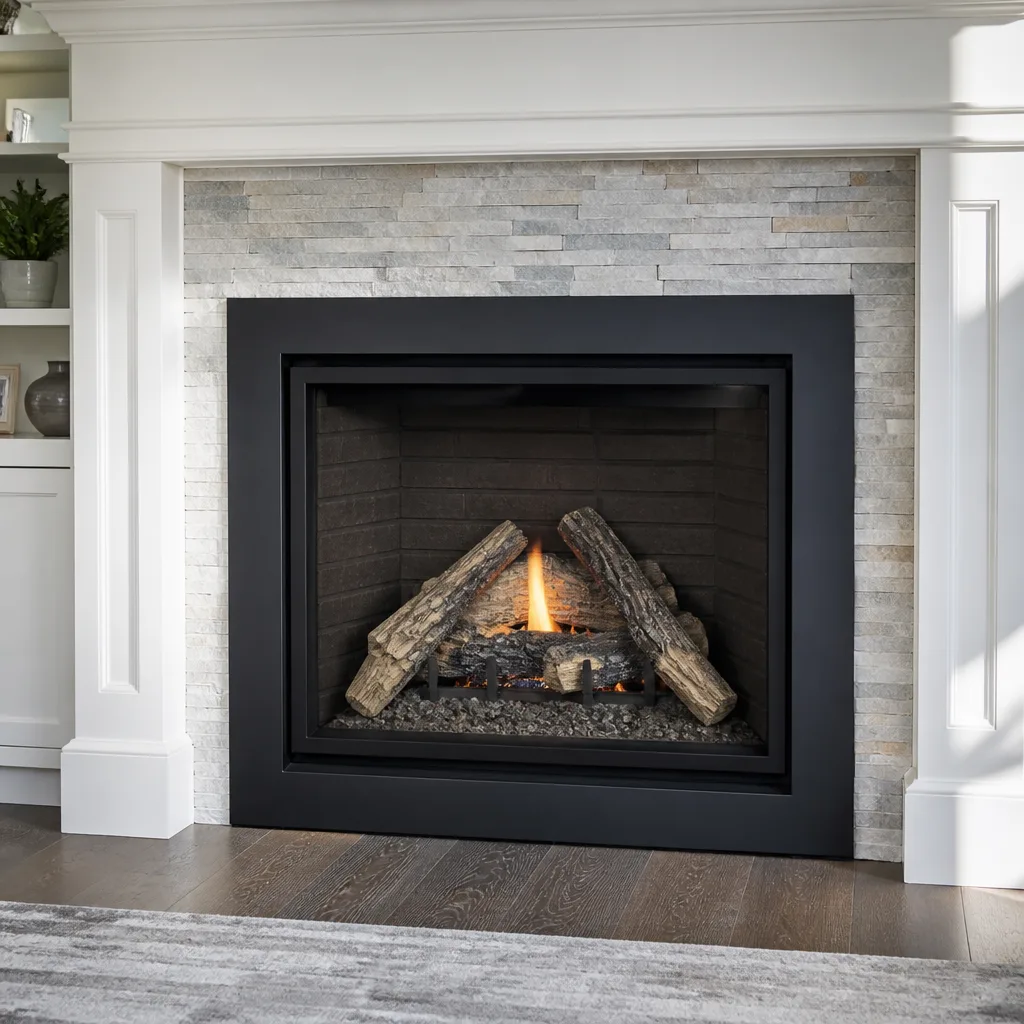 Gas fireplace service
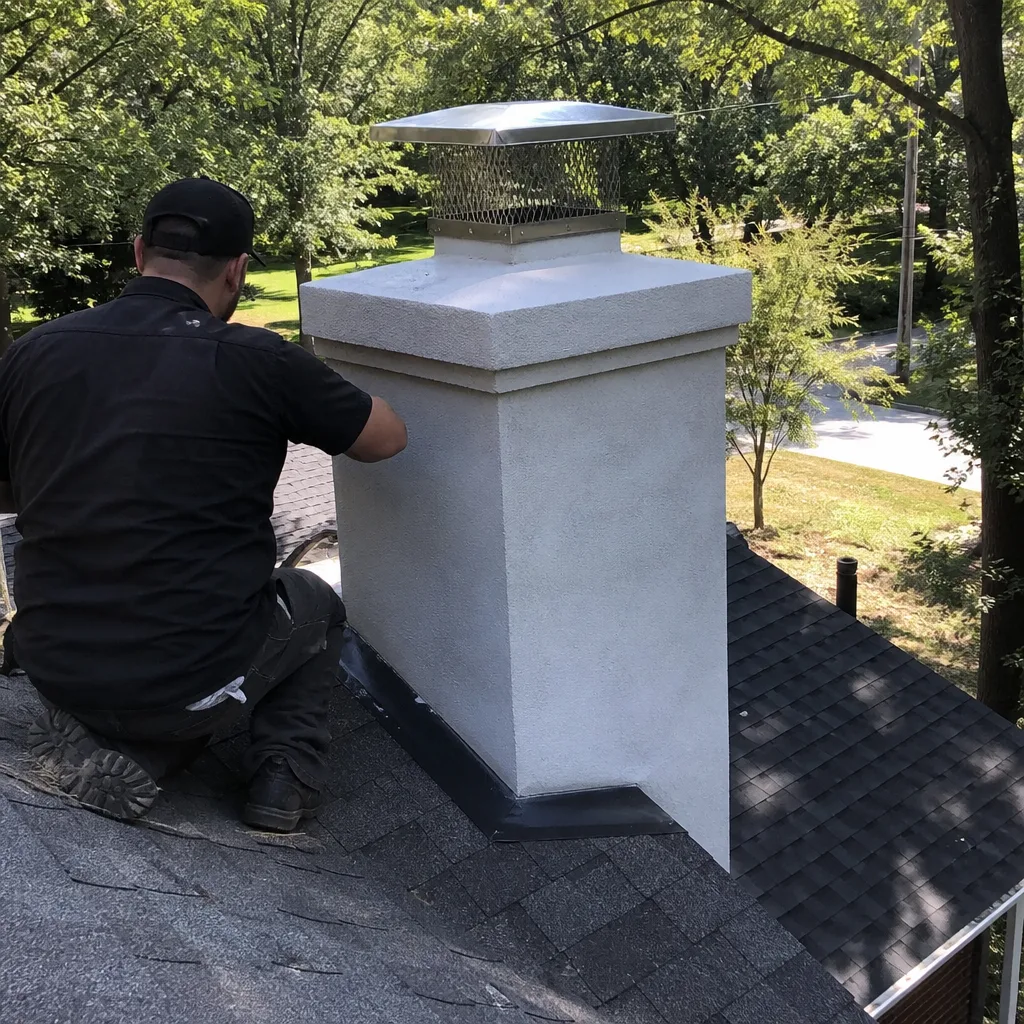
Level 1 sweep and inspection to the NFPA 211 annual standard - flue, crown, cap, and flashing checked and photographed
Chimney sweep logs do not sweep chimneys. They loosen some creosote - which then falls where a brush and vacuum still have to collect it.
Styles & brands we work with
See the difference
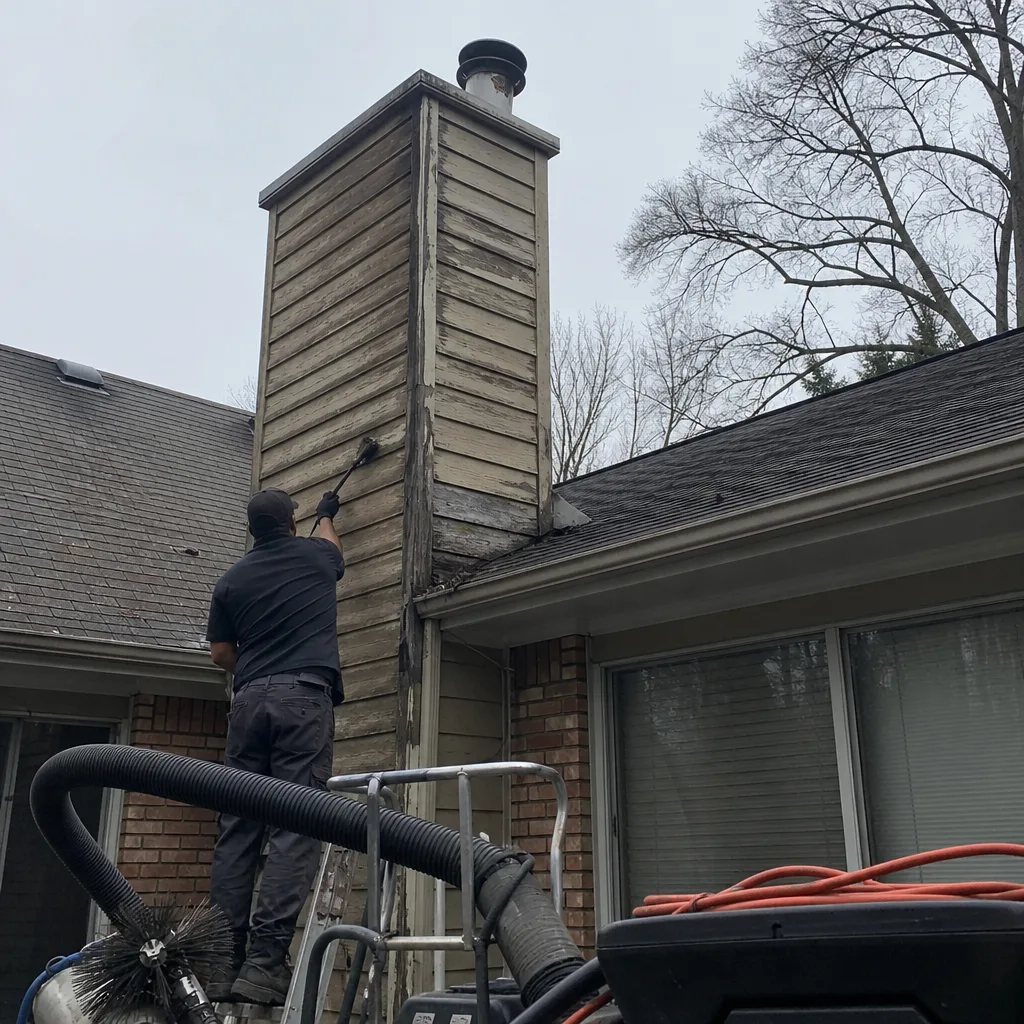 Before
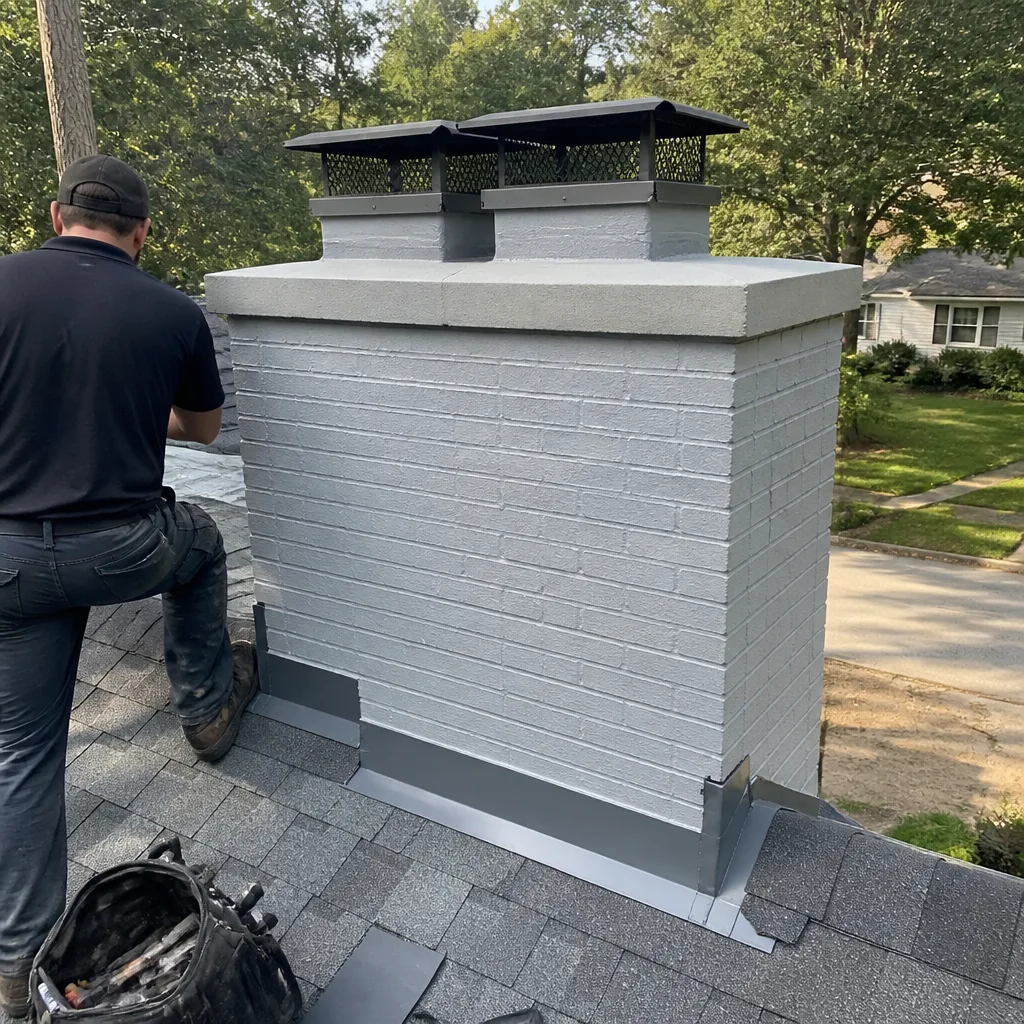 After
After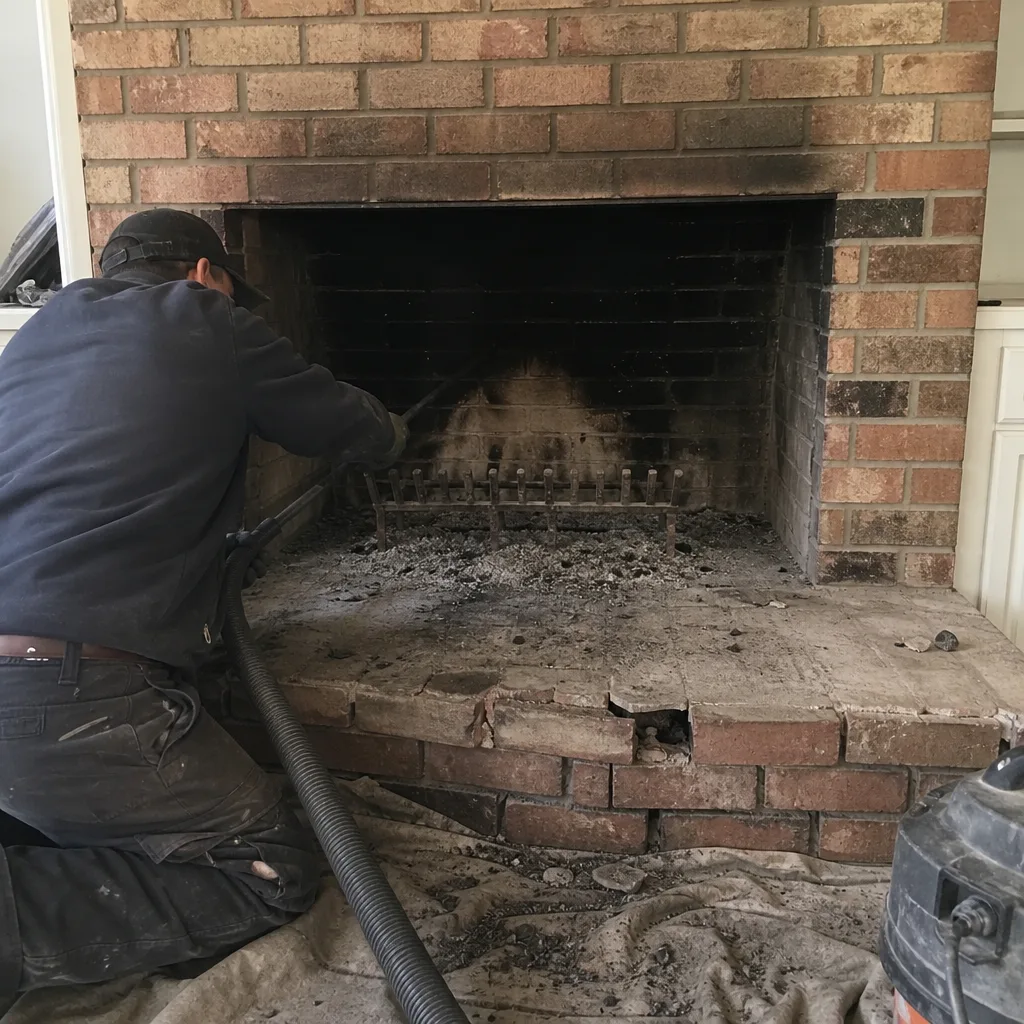 Before
 After
After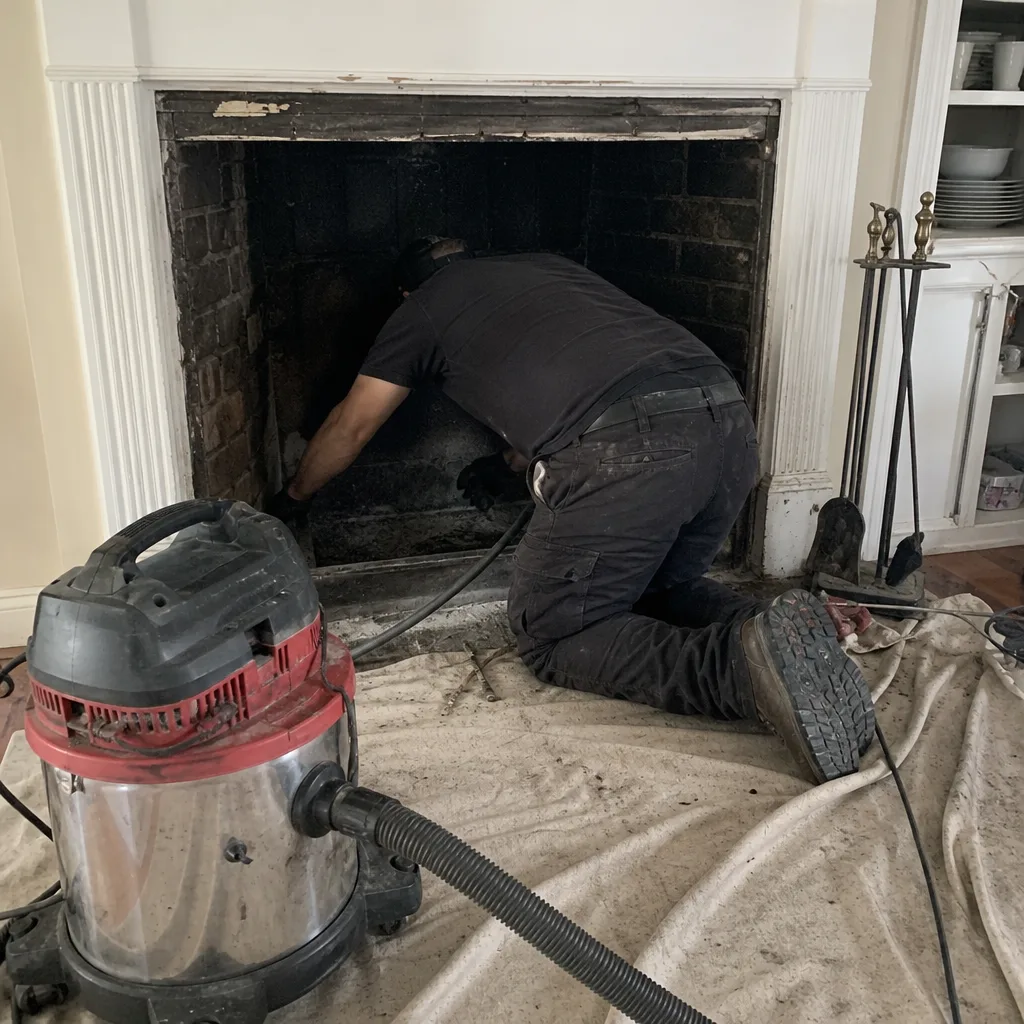 Before
 After
AfterCreosote Removal in Atlanta, GA
Creosote removal in Atlanta usually runs $150 to $350 for a standard single-flue chimney, and the job typically takes 45 to 90 minutes. Creosote is the tar-like residue that condenses inside your flue every time you burn wood, and left alone, it becomes the fuel source for most chimney fires. At Alcott Chimney Atlanta, we remove creosote at all three stages, from dusty Stage 1 film to the hard, glazed Stage 3 deposits that ordinary brushes can’t touch. Call (762) 356-6423 and a live person answers, day or night.
This page covers what creosote is, how to tell when it’s built up, what removal costs here in Atlanta, and what a thorough job actually looks like. If you’re trying to decide whether it’s time for a full Chimney Cleaning & Sweep in Atlanta, this will help you sort that out too.
Key Takeaways
- Realistic Atlanta price: $150-$350 for a standard creosote removal. Glazed Stage 3 creosote is a larger job and can run $500+.
- You can’t “burn it off” with a hot fire. That’s a myth and it’s dangerous.
- Every Alcott job includes a written price before work begins and a written guarantee on any repair, backed by our 365-Day Done Right Promise on the full job.
- Our technician’s name and photo are sent to you before arrival. They show a photo ID badge at the door. That’s our Threshold Standard, no exceptions.
- A live person answers (762) 356-6423 around the clock. If something smells like smoke at 11 p.m., you won’t get a voicemail.
What Creosote Actually Is
Every wood fire produces smoke. That smoke carries unburned wood particles, water vapor, and volatile compounds up your flue. When those gases hit the cooler walls of your chimney, they condense into a residue: creosote. The longer and slower the fire burns, the more creosote forms. A smoldering fire in a cold flue is the fastest way to build up a serious deposit.
Creosote accumulates in three stages, and they matter more than most people realize:
- Stage 1: A flaky, sooty film. Brushes remove this fairly easily during a standard sweep.
- Stage 2: A thicker, crunchy, tar-like layer. It flakes in pieces and takes more mechanical work to remove. This is where most Atlanta chimneys sit after a season or two of regular burning without a sweep.
- Stage 3: A hard, shiny, glazed coating. It looks like baked-on asphalt inside the flue. Simple chimney brushes won’t remove it. You’re now into chemical treatments, specialized rotary tools, or both.
Stage 3 is the one we see in Atlanta homes where a fireplace was used heavily for several winters without service. Georgia’s humidity doesn’t help either. Moist air drawn into the chimney in summer interacts with existing creosote and accelerates the hardening. That’s one of the reasons an annual inspection matters so much here, even if you only burn fires a few months out of the year.
When You Need Creosote Removal
You don’t need to wait for visible glazing to schedule a removal. Here are the signs Atlanta homeowners report most often before they call us:
- You smell a sharp, campfire-like odor inside the house, especially on humid days. This is creosote off-gassing, and it’s often stronger in summer when air conditioning pulls air down the chimney. Homes in Virginia-Highland and Decatur with older masonry chimneys report this all the time.
- There’s black, tar-like buildup you can see when you shine a flashlight up the flue. It may look flaky or wet. Either way, if it’s visibly dark and textured, it’s time to have it removed.
- Your fires feel sluggish, you’re getting smoke spillage into the room, or the draft seems weak. Creosote narrows the flue passage. A chimney that drew fine last winter and now pushes smoke back into the living room often has a meaningful creosote accumulation.
- You hear a crackling or popping sound in the chimney during a fire. That may well be small creosote pockets igniting. It’s often short-lived, but it’s a warning sign you shouldn’t ignore.
- It’s been two years or more since your last professional sweep. The Chimney Safety Institute of America recommends an inspection and cleaning when creosote reaches 1/8 inch of buildup. Most homeowners can’t measure that by eye. A professional check removes the guesswork.
If any of these match what you’re seeing, call (762) 356-6423. We’ll schedule a visit and our technician will confirm what’s actually inside your flue before recommending any removal.
Our Creosote Removal Process
Every creosote removal at Alcott Chimney Atlanta follows the same sequence. No shortcuts, no surprises, and a written price before anything gets touched.
- We verify who’s coming to your door. Your technician’s name and photo are sent to you before the visit. When they arrive, they show a photo ID badge. Every Alcott technician passes a background check and identity verification before ever stepping on a customer’s property. That’s the Threshold Standard.
- We assess the flue and the creosote stage. Using a mirror and lighting, the technician inspects the firebox, damper, smoke chamber, and flue. We identify whether you’re dealing with Stage 1, Stage 2, or Stage 3 creosote and where it’s concentrated.
- You receive a written price before work begins. No estimate that balloons later. We tell you exactly what the removal will cost and why. If your creosote is heavier than expected, we explain what that means for the quote before we proceed.
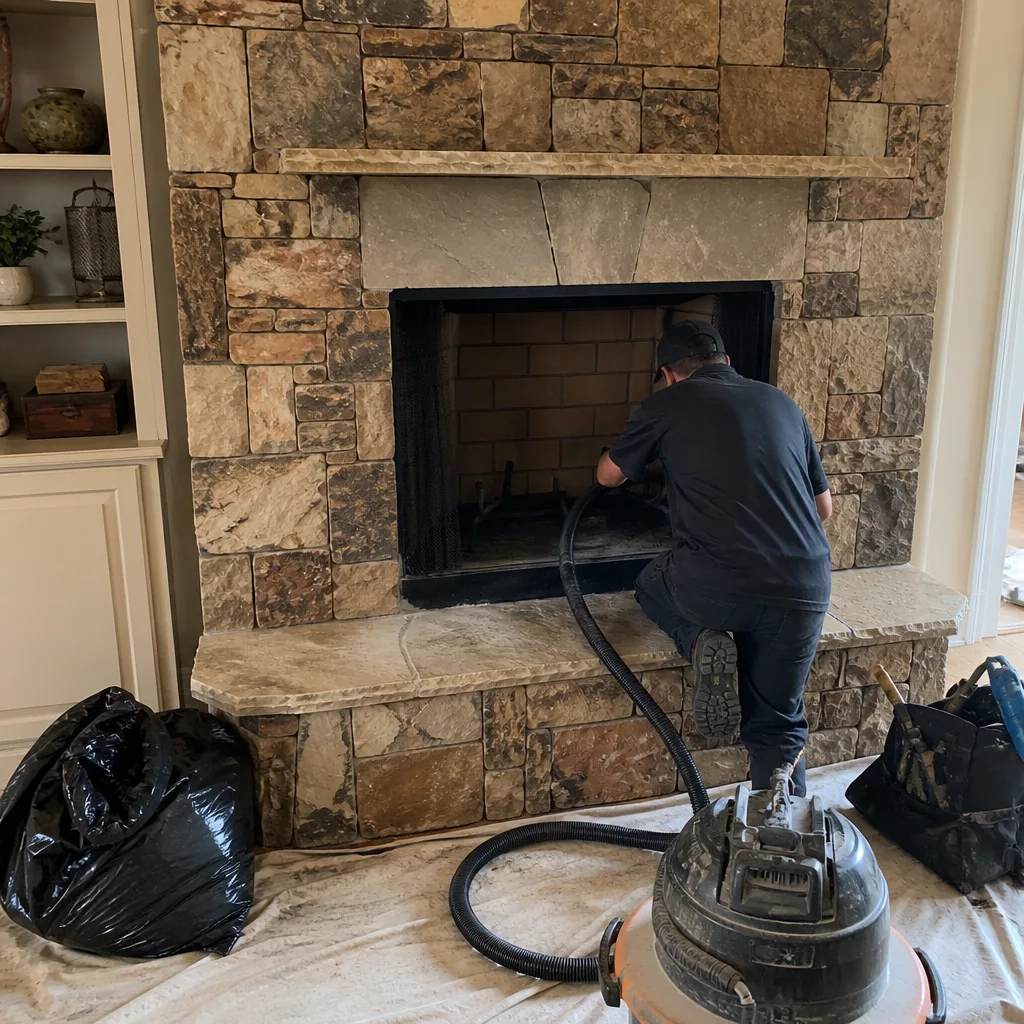
- We remove the creosote using the right tool for the deposit. For Stage 1 and 2, wire or poly brushes sized to your flue do the work. For Stage 3 glazed creosote, we use a professional-grade chemical treatment such as a creosote conditioner and, where appropriate, rotary removal tools. We carry and use professional trade materials only, including Gelco and Olympia Chimney products, not box-store substitutes.
- We clean the firebox and smoke chamber. Creosote doesn’t just sit in the flue. We remove debris from the firebox and the smoke chamber where creosote also collects.
- We show you what was removed and tell you what to watch for. You’ll see the creosote that came out of your chimney. Then we give you a plain-English rundown of your chimney’s condition and what, if anything, needs attention before next season.
The whole visit for a standard removal usually runs 45 to 90 minutes. Heavier glazed creosote jobs take longer.
Creosote Removal Pricing in Atlanta
Let’s talk real numbers. For a standard creosote removal (Stage 1 or 2, no other repairs needed), expect to pay roughly $150 to $350. That’s the market range in the Atlanta metro area for a thorough job, including the initial assessment and a full flue sweep. Here’s what influences where you fall in that range:
- The stage of creosote. Stage 1 and 2 are straightforward. Stage 3 glazed creosote is a different animal. Removal can run $500 or more because it takes specialty chemicals, rotary tools, and often twice the labor.
- The height and type of your chimney. A single-story home in East Atlanta with a prefab flue costs less to service than a two-story house in Morningside with a tall masonry stack that requires roof access and longer rods.
- How long it’s been since the last sweep. Neglected chimneys with years of buildup take longer. More time means more labor.
- Access and roof pitch. Some Atlanta neighborhoods are full of steep-pitch roofs. Roof access affects the work and the price. We’ll tell you upfront if that’s a factor for your home.
What You’ll Pay for Different Removal Scenarios
- Standard sweep with Stage 1-2 creosote removal: $150-$350 for a typical single-flue chimney.
- Stage 3 glazed creosote removal with chemical treatment and rotary tooling: $500 or more, depending on flue size and access.
- Chimney inspection add-on (CSIA Level 1): Many companies charge $100-$200. We’ll tell you exactly what’s included before we start.
- Repairs found during removal (flue tile cracks, damper issues, etc.): Priced separately, written quote upfront, and covered by our written guarantee.
Every Alcott job includes a written guarantee on any repair. If a repair fails within the coverage period, the second visit is free. That’s not an extra you have to ask for. It’s our standard. And the 365-Day Done Right Promise covers the entire job for a full year.
Call (762) 356-6423 for a free estimate. Same live person every time, no call center. We’ll ask about your chimney, your home, and what you’ve been seeing, then book a window that actually works for you.
Why Atlanta’s Climate Makes Creosote Worse Than You’d Expect
Atlanta doesn’t have the harsh winters of the Northeast or the Midwest, but our humidity does chimney work no favors. Here’s why creosote behaves differently here:
In summer, outside air temperatures regularly climb into the 90s with high humidity. That moisture penetrates masonry chimneys, especially older ones in neighborhoods like Grant Park, Kirkwood, and East Lake. When humid air meets creosote residue sitting in your flue, it accelerates the chemical breakdown of the creosote, hardening soft deposits into a denser, more stubborn layer. What would have been an easy Stage 2 removal in March can become a much harder Stage 3 removal by August if moisture sat in the flue all summer.
We also see a distinct pattern in Atlanta: homes built in the 1960s through the 1980s with unlined or clay-tile-lined masonry chimneys. Those flues are more porous than modern stainless liners. Creosote bonds to them more aggressively, and once it’s glazed, removal takes specialized equipment. We’ve removed deposits from homes in North Druid Hills and Chamblee that had not been serviced in 15 years. Those jobs are demanding, but they’re completely doable with the right tools.
Safety: Why You Shouldn’t DIY Creosote Removal
We understand the urge to save a few dollars. But creosote removal isn’t a weekend-job candidate for most homeowners. Here’s why:
Removing creosote fully often means working from a roof. In Atlanta, that means high-pitch roofs and summer heat. Proper roof access with the correct safety equipment is a professional’s job. More importantly, a homeowner can easily miss what’s actually going on inside the flue. Creosote hides behind dampers, inside the smoke chamber, and along flue walls where you can’t see without proper tooling. You may clean what you can see and leave the most dangerous deposits in place, thinking you’ve done the job. A chimney fire doesn’t care that you tried.
If you have Stage 3 glazed creosote, do not attempt to burn it off with a “hot fire.” This method is widely circulated and dangerous. A sudden hot burn can ignite the creosote in an uncontrolled way, causing a chimney fire that spreads into the home. The proper method is professional chemical treatment and mechanical removal by a trained technician. Please, call a professional. Call us at (762) 356-6423 and we’ll handle it safely.
Why Alcott Chimney Atlanta
We’ve served Atlanta homeowners since 2002. Ruben Castellano started Alcott Chimney Atlanta to solve two problems at once: getting the chimney service done right and making sure the person who walks through your door is someone you already know by name and face.
Most chimney companies pick one lane. They compete on price, or they sell you an up-front cost that balloons by the end of the visit. We don’t play that game. Our pricing is written down before any work starts. Our guarantee is in writing before you sign anything. And our technicians are background-checked, identity-verified, uniformed, and announced by name and photo before they arrive. That’s the Threshold Standard, and it applies to every single visit.
We also use professional trade materials, not home-center substitutes. When we do a creosote removal that calls for a chemical treatment, we specify products from Gelco or Olympia Chimney. If removal reveals a liner problem, we quote you a professional-grade HeatShield resurfacing or a proper liner replacement, quoted clearly and in writing. No mystery goop, no improvised fixes.
Alcott Chimney Atlanta is an independently owned and operated location within the Threshold Group family of home-service companies. That means our standards are enforced by a national infrastructure, but our owner is here in Atlanta.
FAQs – Creosote Removal
How much does creosote removal cost in Atlanta?
Standard creosote removal in Atlanta runs $150 to $350 for a single-flue chimney with Stage 1 or Stage 2 buildup. Stage 3 glazed creosote costs more, often $500 or higher, because it requires chemical treatment and rotary tooling. Every Alcott job includes a written price before work starts, so you’ll never see a surprise line item on the final bill. Call (762) 356-6423 for an exact quote, estimates are free.
Can you remove creosote the same day?
In most cases, yes. We regularly complete standard creosote removals same-day in Atlanta, and we keep appointment windows available for urgent situations. Stage 3 glazed creosote jobs may require more time because the chemical treatment needs to dwell in the flue before removal. Call (762) 356-6423 and ask about same-day availability. A live person will give you a real answer, not a callback promise.
Is it cheaper to remove creosote or replace the flue liner?
Creosote removal at $150-$350 is almost always less expensive than a $2,500-$6,000 liner replacement. If your liner is still structurally sound after removing the creosote, the inexpensive path wins by a wide margin. But if the liner is cracked or collapsed, no amount of creosote removal will fix it. A good technician will show you the actual condition before recommending either path. We won’t quote a liner replacement unless it’s genuinely needed.
How often should I have creosote removed from my Atlanta chimney?
Most Atlanta homeowners who burn wood regularly need creosote removal every 1 to 2 years. If you burn frequently and often burn soft woods like pine, you may need it annually. If you only burn occasionally and your fires burn hot and fast, you may get closer to two years. The National Fire Protection Association says chimneys should be inspected at least once a year, and the inspection will tell you when it’s time to clean. Call (762) 356-6423 to schedule an inspection and we’ll tell you exactly what your chimney needs.
Do you guarantee your creosote removal?
Yes. Every creosote removal is covered by our 365-Day Done Right Promise. If the removal wasn’t done correctly, or something related to the job fails within a full year, we come back and make it right. Any repair we do during the visit also comes with a written guarantee. If a repair fails within the coverage period, the second visit is free. That’s not an optional add-on, it’s how we work.
Ready to Have Your Creosote Removed?
If your chimney smells like a campfire, you see black buildup in the flue, or it’s simply been too long since your last sweep, we’re ready to help. Call (762) 356-6423 for a free estimate. You’ll speak with a live person, every time, 24/7. We’ll schedule a visit, send your technician’s name and photo before we arrive, and put a written price in your hand before any work begins.
Alcott Chimney Atlanta serves all of metro Atlanta, including Midtown, Buckhead, Decatur, Sandy Springs, Roswell, East Atlanta, Grant Park, Virginia-Highland, North Druid Hills, Chamblee, Kirkwood, Morningside, and East Lake. We’d be glad to serve your home too.
Written by Ruben Castellano, Owner at Alcott Chimney Atlanta, serving Atlanta.