
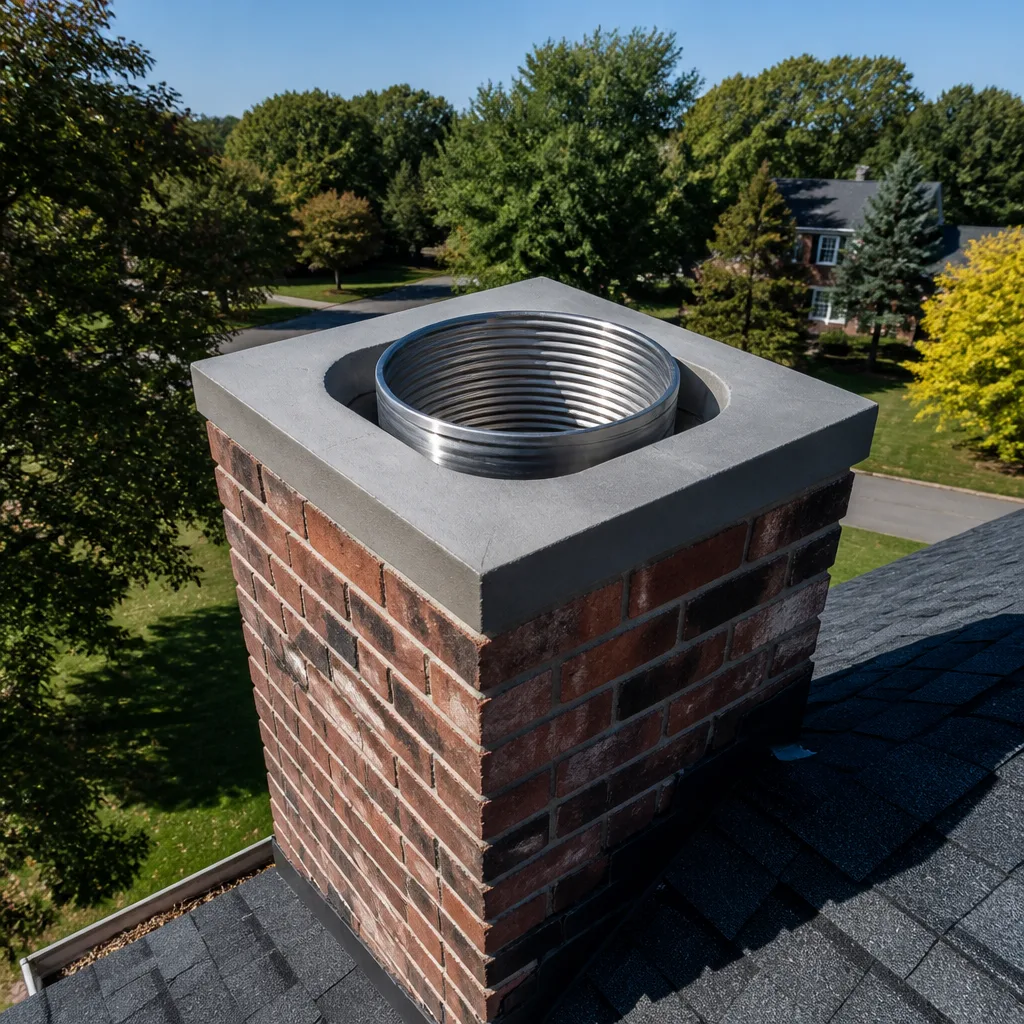
 Flue relining
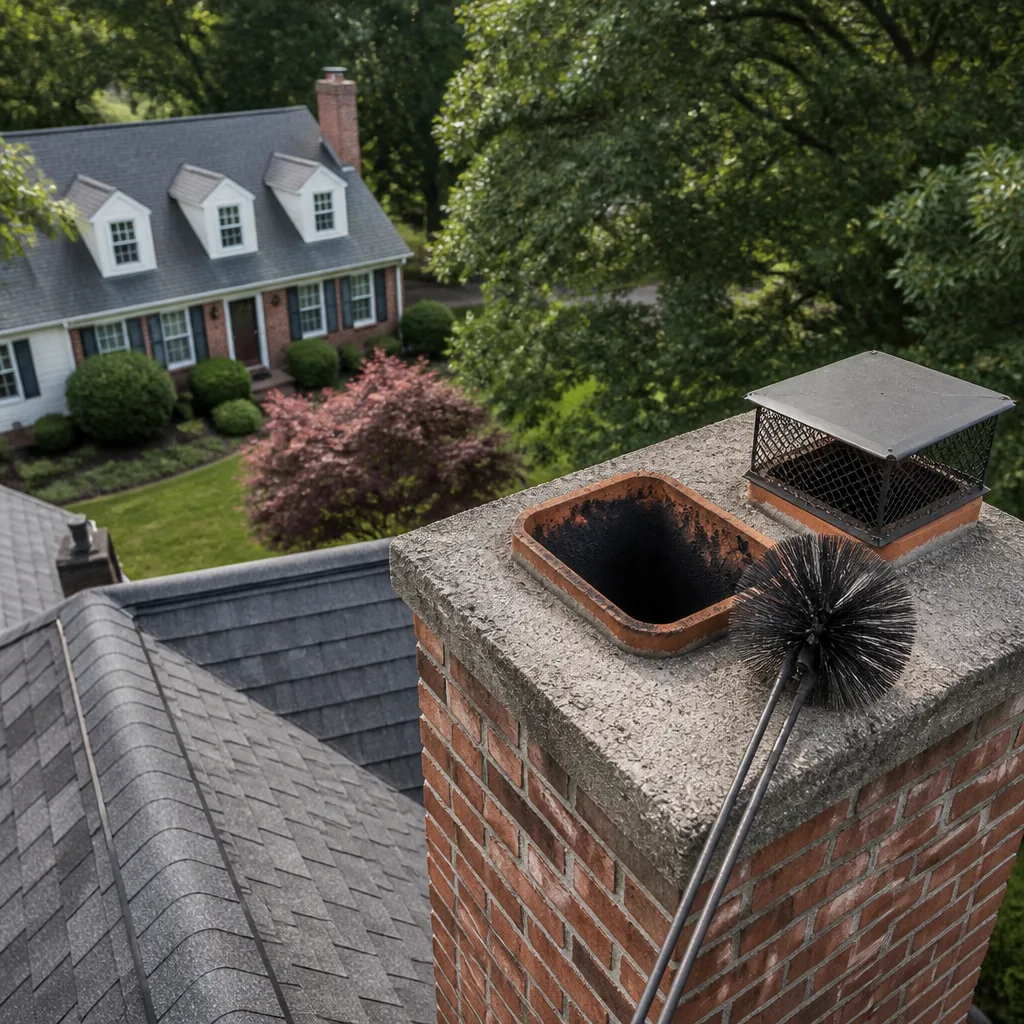 Sweep & inspection
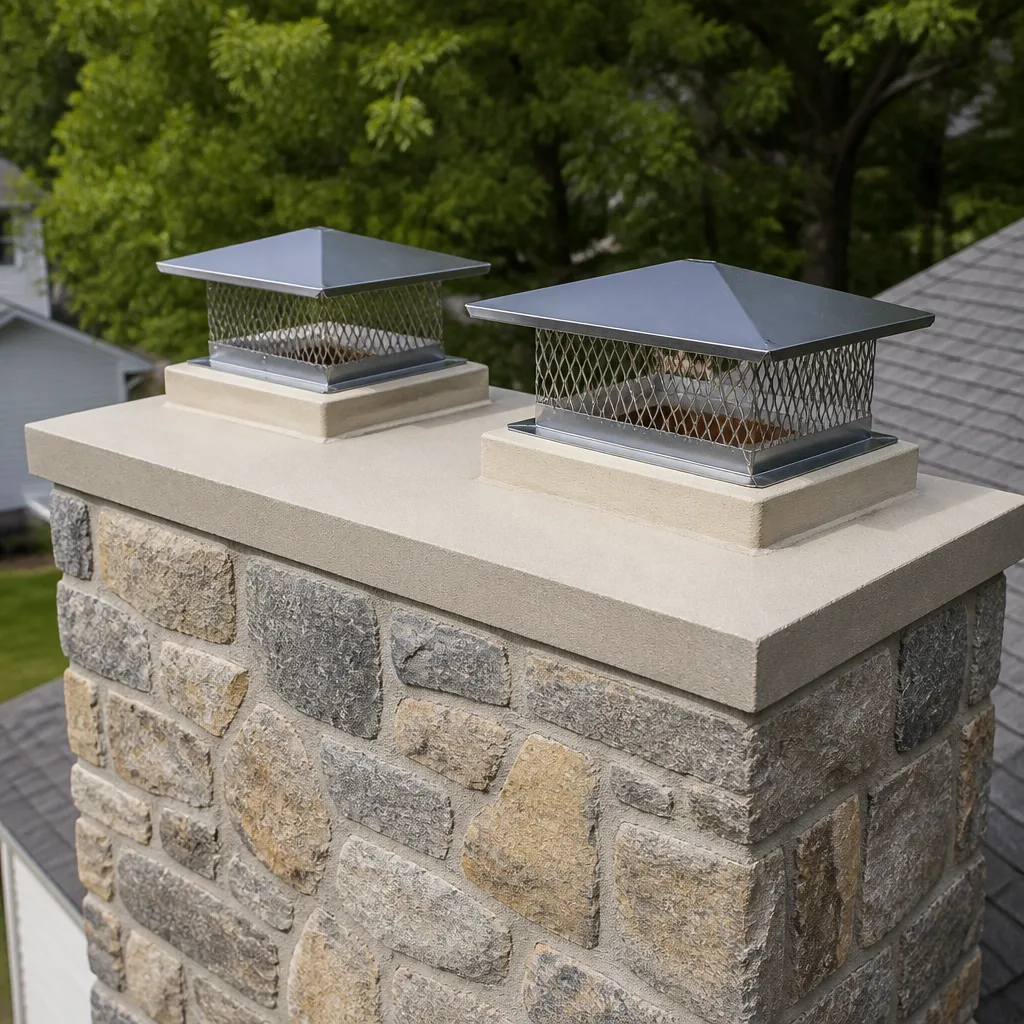 Caps & crowns
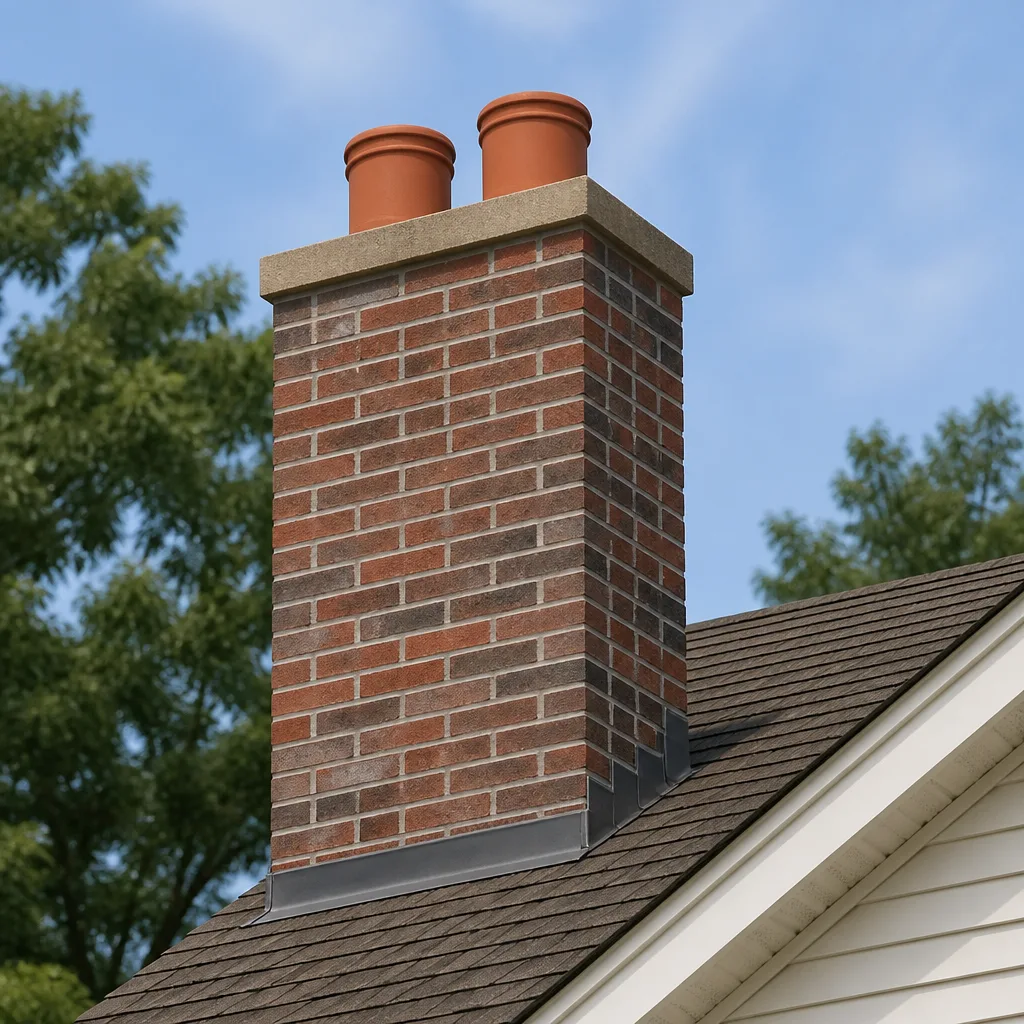 Masonry repair
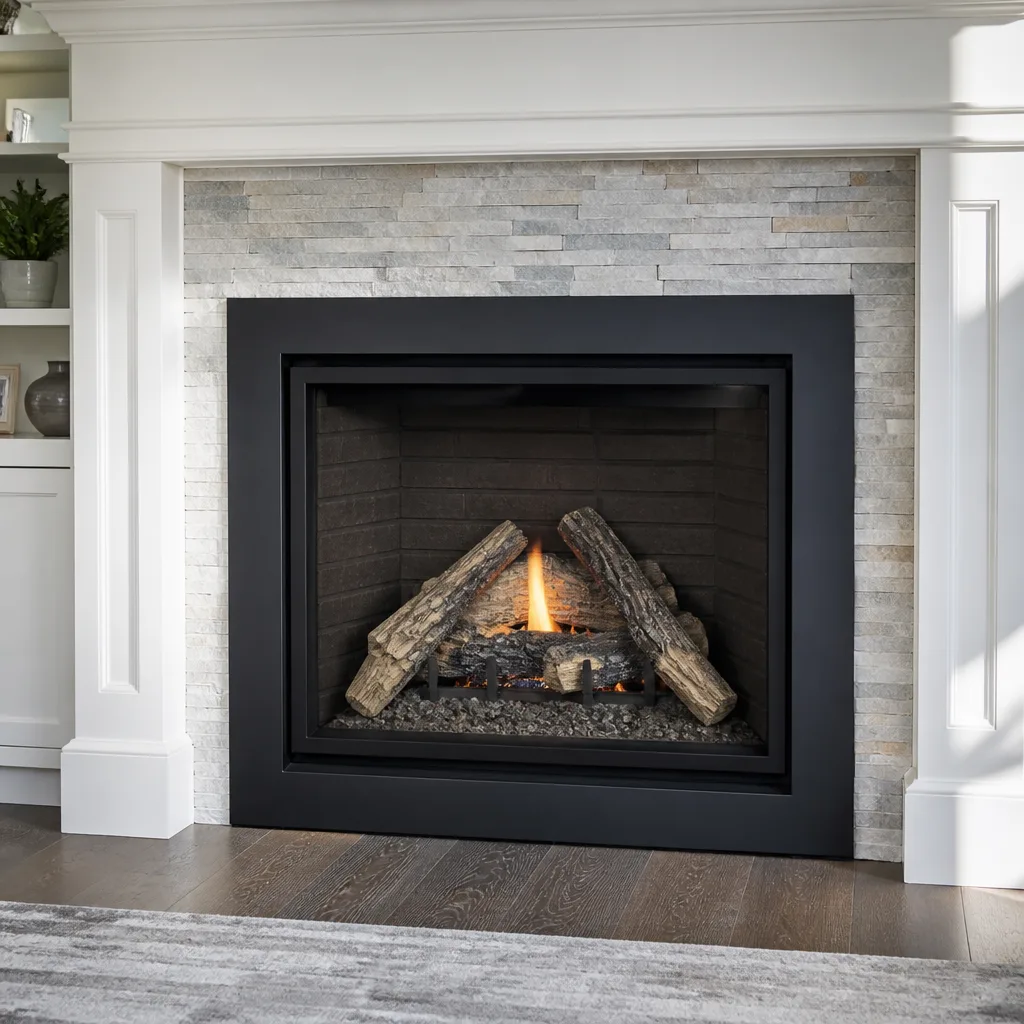 Gas fireplace service
Level 1 sweep and inspection to the NFPA 211 annual standard - flue, crown, cap, and flashing checked and photographed
Chimney sweep logs do not sweep chimneys. They loosen some creosote - which then falls where a brush and vacuum still have to collect it.
HeatShield Flue Liner Replacement: The Atlanta Owner’s Guide
HeatShield flue liner replacement in Atlanta typically runs $2,800 to $6,500 installed, depending on the liner length, flue dimensions, and whether we’re resurfacing with the HeatShield Cerfractory system or pulling a new stainless liner. We stock HeatShield-compatible materials and parts on our trucks, so most replacements get booked and completed within the same week. Most Atlanta homeowners discover the problem during a routine sweep or inspection, when our camera shows spalling, gaps, or the telltale flaking that means the original HeatShield surface has given up.
Here’s the short version of what’s happening: HeatShield is a poured ceramic-cement liner system, not a rigid metal tube. When it fails, it fails by eroding from heat and moisture, not by rusting through the way a steel liner does. That distinction matters because it changes what a proper fix looks like and what you should pay for it.
Key Takeaways
- HeatShield flue liner replacement in Atlanta runs $2,800 – $6,500 installed, with most jobs landing in the $3,200 – $4,800 range.
- We are an independent Atlanta chimney service, not affiliated with HeatShield – but we install and service their system daily.
- HeatShield fails by ceramic erosion, not rust. The fix is either re-application or a structural liner swap, and the choice depends on what our camera sees.
- Every replacement includes a written price before we start, a written guarantee, and a free return visit if the repair fails within the coverage period.
Which HeatShield Models This Applies To
HeatShield comes in two application forms that most homeowners conflate: the CeCure joint repair system and the Cerfractory flue resurfacing system. The CeCure version is a targeted patch for cracked mortar joints between flue tiles. The Cerfractory version is the full resurfacing application, poured or sprayed to create a new continuous ceramic surface inside the existing flue. If your chimney has a HeatShield label or your previous inspection report mentions “cerfractory resurfacing,” you’re dealing with the full liner system, and replacement means either re-pouring that surface or installing a new stainless liner to take over the job.
The compatibility gotcha in Atlanta: older HeatShield applications from the mid-2000s were often installed over clay tile flues in houses built between 1950 and 1990. Those original clay tiles in Atlanta’s humid climate absorb moisture, and when the HeatShield surface bonds to a sweating tile, it spalls off in sheets. We see this most often in older Craftsman-style homes around Grant Park and East Atlanta, where Ruben Castellano has pulled enough flaking liner material out of chimneys to know the failure pattern before the camera goes up. If your home has an original clay tile flue and a HeatShield surface from that era, the liner and the underlying tile usually need addressing together, not separately.
As for OEM versus aftermarket: HeatShield is a proprietary material system, so there isn’t a true third-party OEM equivalent you can buy at a supply house. What you’re choosing between is re-application using HeatShield’s current Cerfractory formulation (which we carry) or replacement with a stainless steel liner system like DuraFlex or Gelco (which we also carry and install). Both are professional-grade materials specified by chimney professionals. The right call depends on flue dimensions, the condition of the masonry surrounding the flue, and what our camera inspection shows.
Styles & brands we work with
Signs Your HeatShield Flue Liner Replacement Is Failing
- Flaking ceramic material falling into the firebox. This is the most direct symptom. HeatShield erodes as a dusty, gritty, sand-like material that collects at the base of the flue. It’s not creosote – you’ll be able to tell the difference because it’s gray or tan and doesn’t smear like tar.
- Visible hairline cracks running vertically up the flue wall. When a camera goes up and we see spiderwebbing across the HeatShield surface, the bond is compromised. In Atlanta’s freeze-thaw cycles, moisture gets into those micro-cracks, freezes, and widens them year over year.
- Smoke or odor backing into the room more than it used to. A failing liner surface changes how the flue draws. If you’re noticing more smoke rolling out when you first light a fire, even after a recent sweep, the liner may be narrowing or roughing up enough to disrupt draft.
- White or gray efflorescence on the exterior chimney brick. This is a moisture symptom, not a liner symptom directly, but in Atlanta it often appears alongside HeatShield failure. Water is getting into the chimney system somewhere and showing up as salt deposits on the outside.
- A previous inspection report that flagged “spalling” or “gaps between flue tiles.” HeatShield is often applied over existing clay tile problems. If the underlying tiles were already shifting, the resurfacing material can’t hold forever. The two problems compound each other.
See the difference
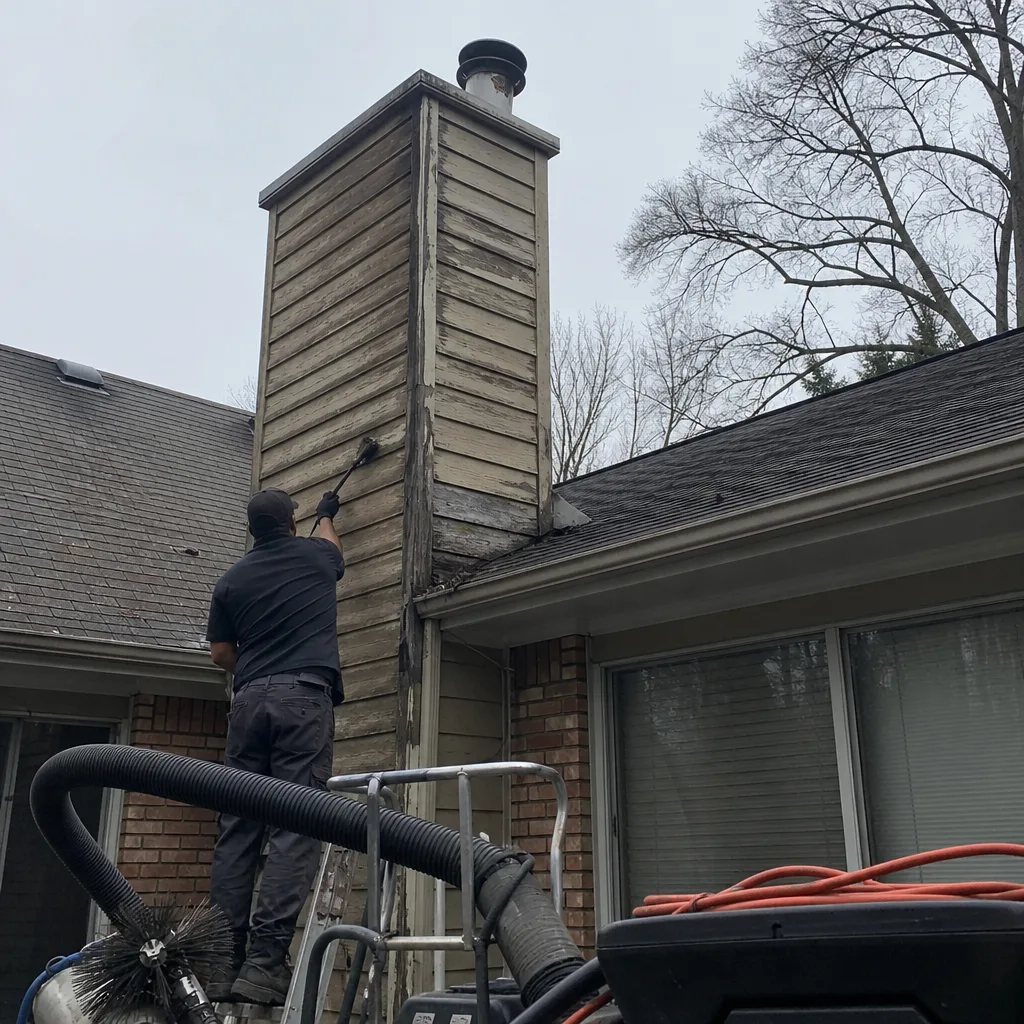 Before
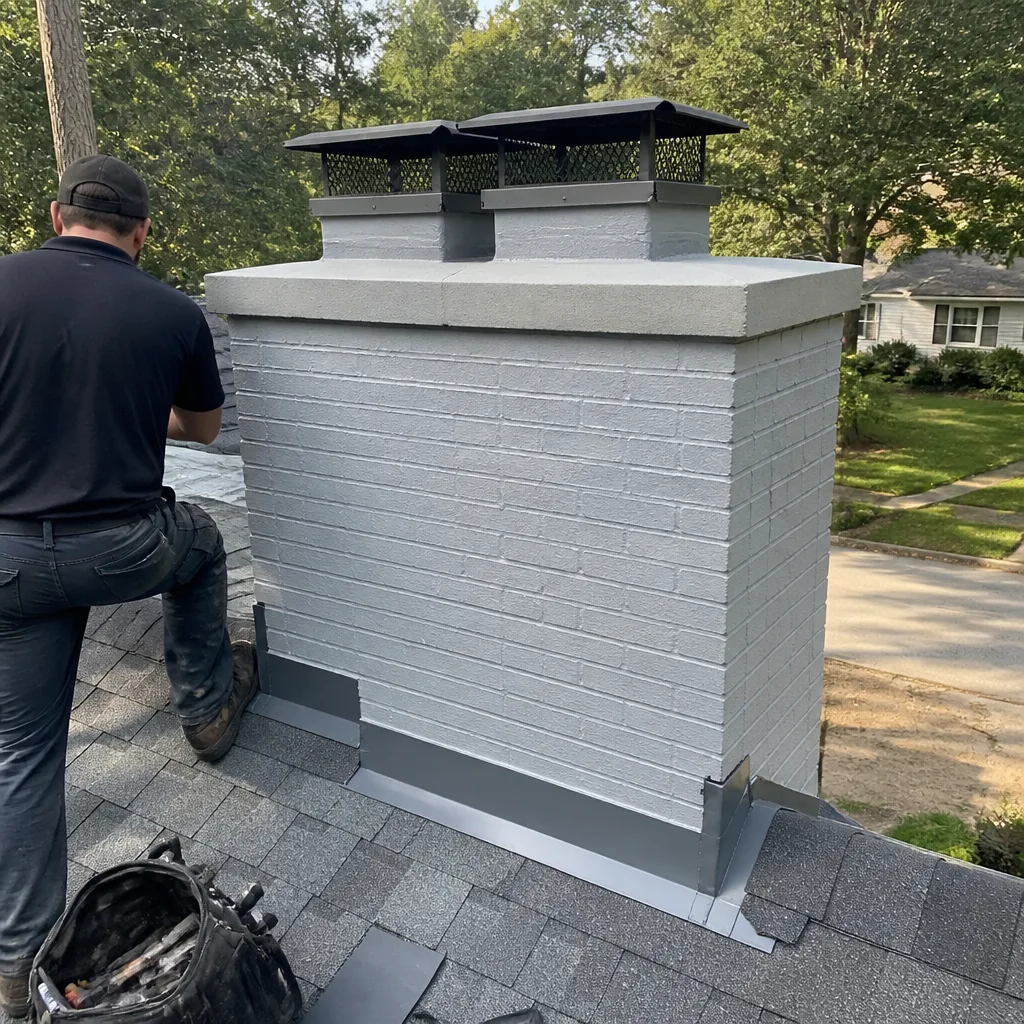 After
After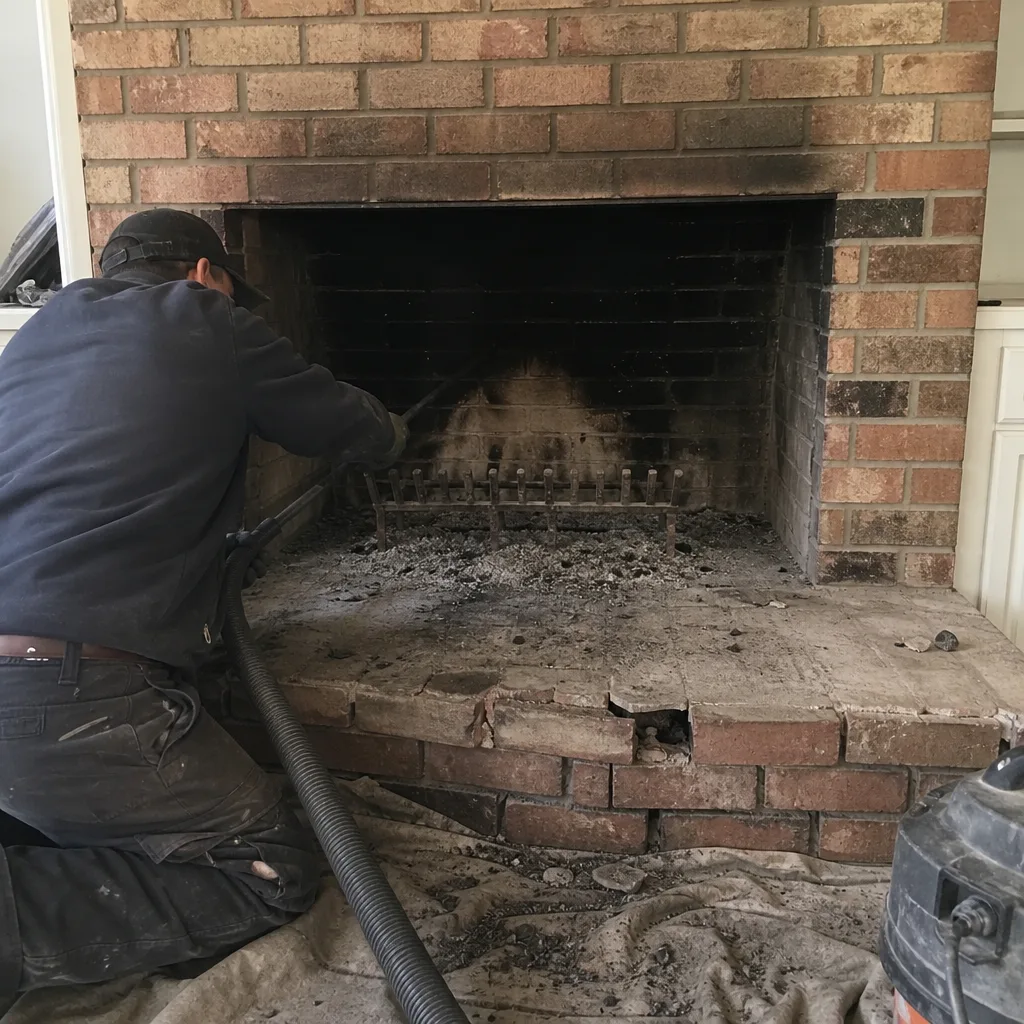 Before
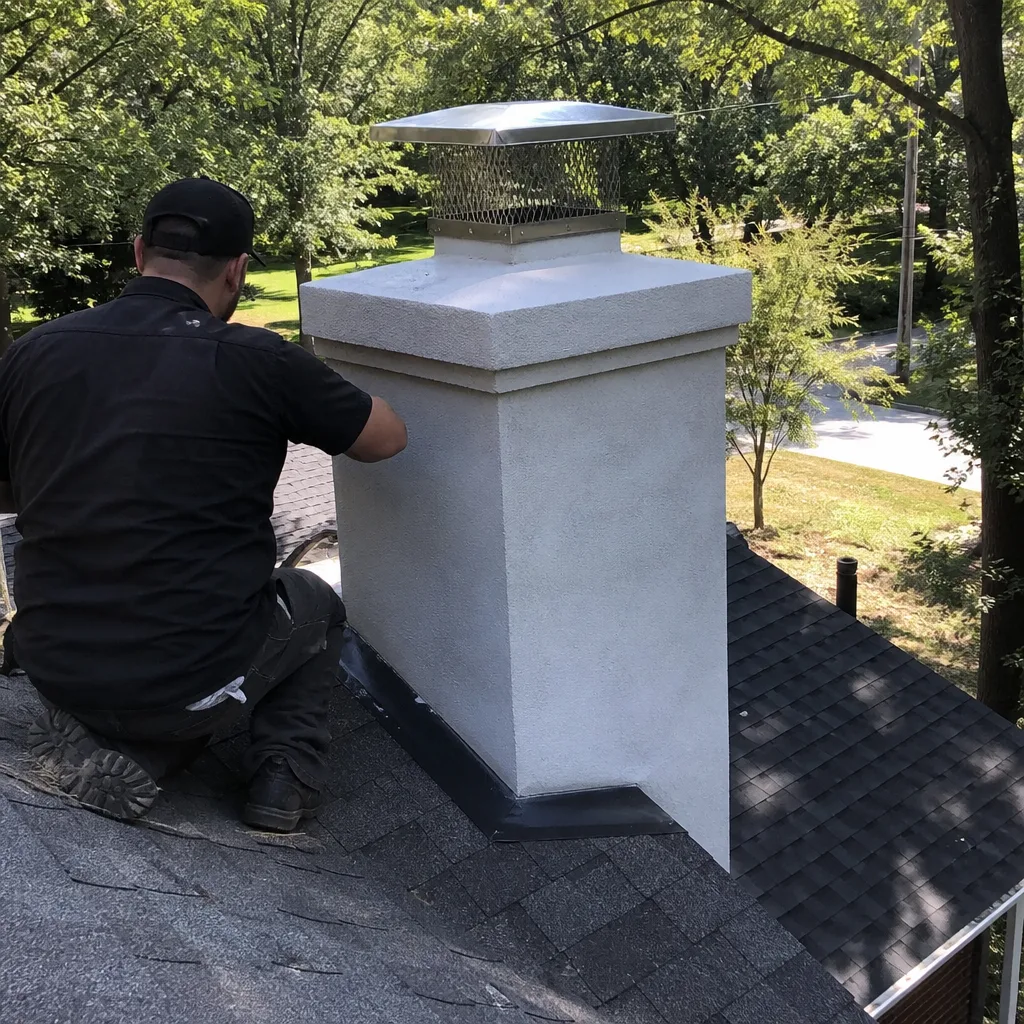 After
After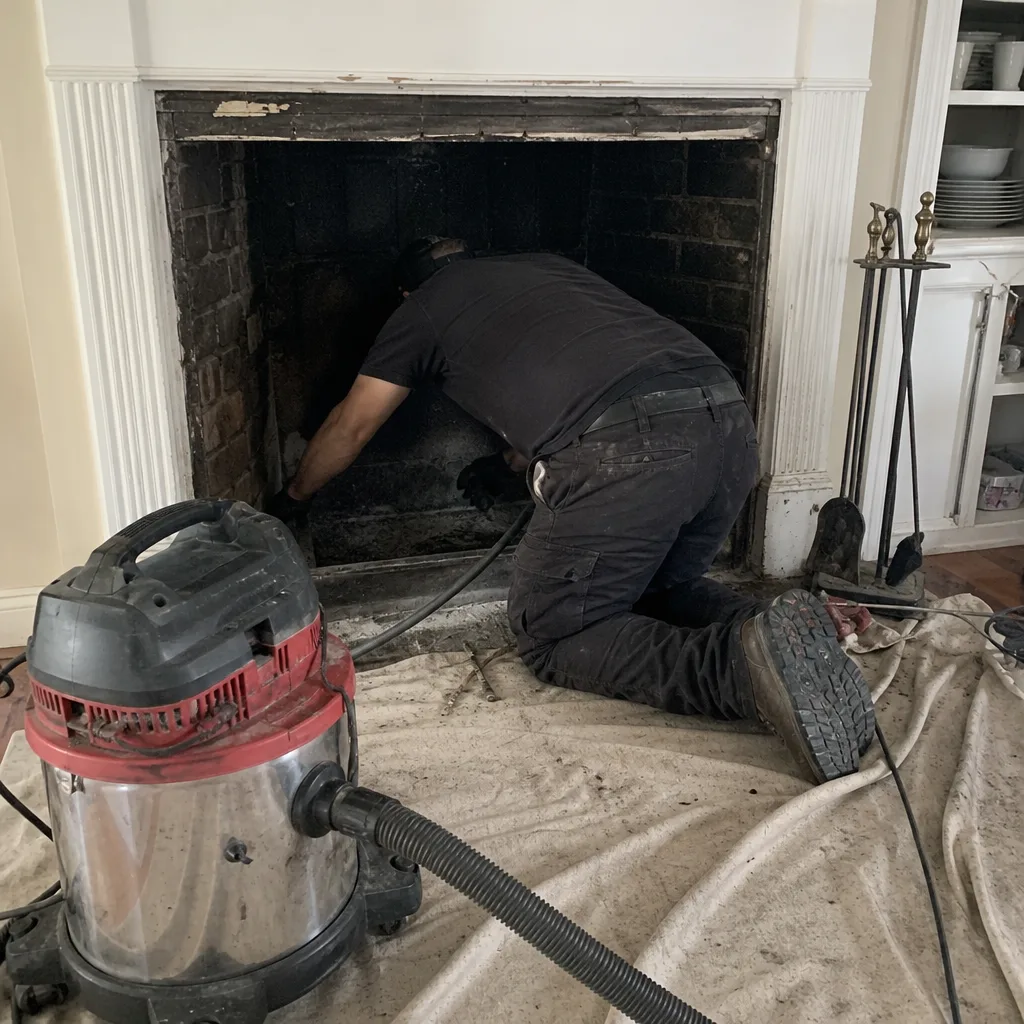 Before
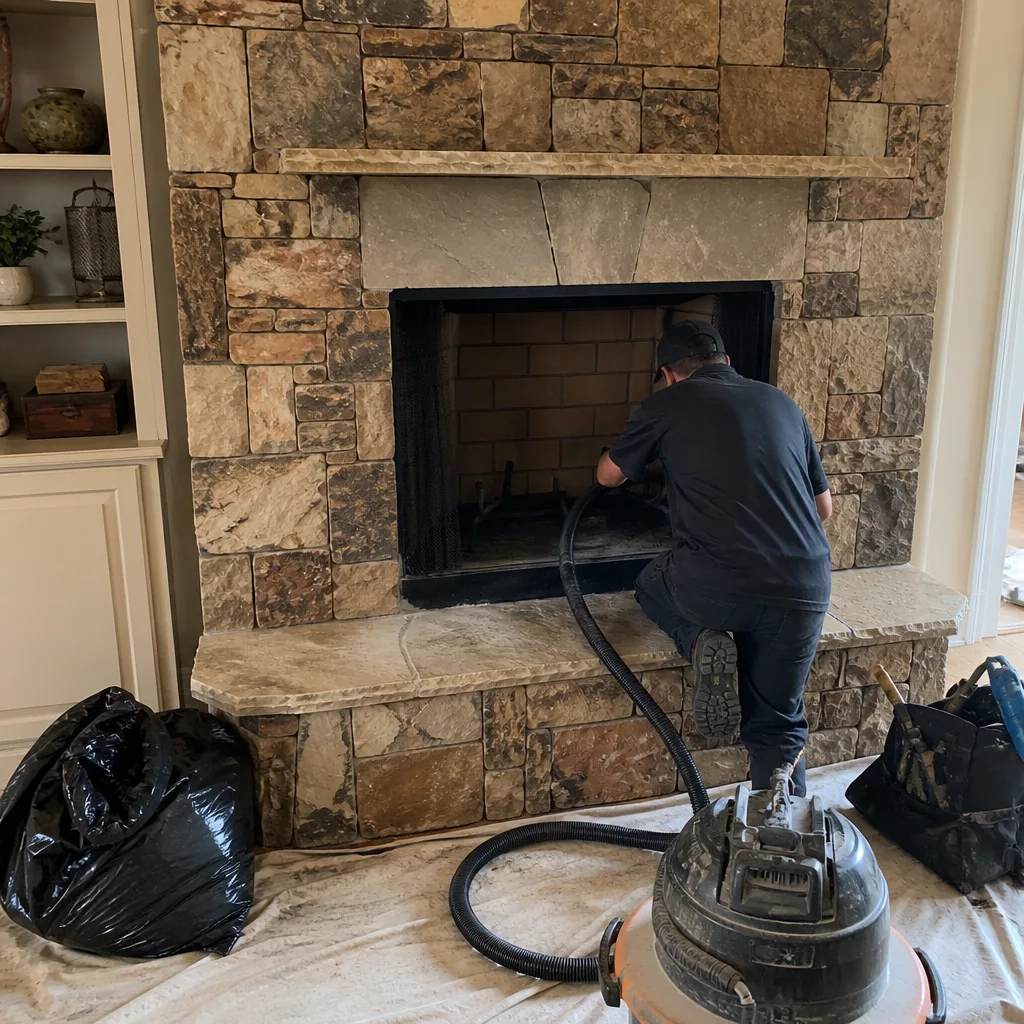 After
AfterReplacement Cost & What’s Included
Here’s the honest range for Atlanta, not a national average. A straightforward HeatShield flue liner replacement on a single-story home with a 15- to 20-foot flue typically runs $2,800 to $4,200. Two-story homes with 25- to 35-foot flues run $3,800 to $5,500. If our inspection reveals that the surrounding masonry needs repair, or if we need to remove and rebuild the crown to access the flue properly, the total can reach $6,500. Those are the real numbers we quote here in Atlanta, and they include parts, labor, and cleanup.
What drives the range, specifically:
- Flue length and diameter – a taller flue or an unusually wide one uses more material and more labor.
- Access – steep roof pitches and tight chase clearance on Atlanta bungalows add time.
- Condition of the surrounding masonry – if the crown or brickwork has to be addressed first, that’s a separate line item on the written quote, not a hidden fee.
Every replacement we quote includes a written price delivered before any work begins, a written guarantee on the repair, and a free return visit if the repair fails within the coverage period. That’s part of our 365-Day Done Right Promise, and it’s included at no extra charge. You’ll also get camera footage from before and after the job, so you can see exactly what was fixed and verify it with your own eyes. Nothing about our work is invisible or unverifiable.
DIY or Call Us?
Let’s be plain about what’s safe and what isn’t. What you can safely do is look into the firebox with a flashlight and check for the flaking gray material we described above. You can also visually inspect the exterior brick for efflorescence or cracks. That’s information worth having before you call us.
What you shouldn’t do is attempt a HeatShield flue liner replacement yourself. The material is applied to the interior of the flue, which means working from the roof with specialized pumping or spraying equipment, and getting it wrong means a compromised flue that you can’t see and won’t know is failing until smoke or carbon monoxide backs into the house. This is one of those repairs where the cost of a botched job isn’t just the money – it’s the risk of burning your house down or poisoning the air inside it. A flue liner’s entire job is to contain heat and combustion gases. That’s not a place for trial and error.
Call us at (762) 356-6423 and we’ll schedule a camera inspection first. If the liner needs replacement, you’ll get a written price before we do anything, and you’ll know the technician’s name and see their photo before we arrive. Ruben is usually the one answering the phone himself. Tell me what you’re seeing, and I’ll tell you what it actually means.
FAQs
A properly installed HeatShield Cerfractory liner typically lasts 15 to 25 years in Atlanta’s climate, but our humidity and freeze-thaw cycles shorten that lifespan compared to drier regions. The underlying masonry condition matters more than the liner material itself – if the chimney is absorbing water from a failed crown or spalling brick, the HeatShield surface will start failing within 5 to 10 years regardless. Call us at (762) 356-6423 and we’ll camera-inspect the flue to give you a realistic remaining-life estimate, not a brochure number.
Sometimes. If the damage is localized to specific joints and the rest of the surface is still sound, HeatShield’s CeCure joint repair material can address the problem without a full replacement. But if the camera shows flaking across a significant portion of the flue wall, or if the underlying clay tiles are shifting, a full liner replacement is the honest fix. We’ll never recommend a full replacement if a targeted repair will safely get the job done.
Most HeatShield flue liner replacements in Atlanta take one full workday, including setup, application or install, and cleanup. Larger chimneys or jobs that require masonry prep work may run into a second day. We’ll give you a firm timeline on the written quote before any work starts.
Yes. We carry HeatShield Cerfractory materials and CeCure joint repair product on our trucks, along with stainless liner systems from DuraFlex and Gelco for cases where a full liner swap is the better long-term option. We’re an independent Atlanta chimney service, not affiliated with HeatShield, but we work with their material systems every week. Call (762) 356-6423 for a free estimate and we’ll tell you exactly what we’d recommend for your chimney.
Written by Ruben Castellano, Owner, Alcott Chimney Atlanta at Alcott Chimney Atlanta, serving Atlanta and nearby areas.