
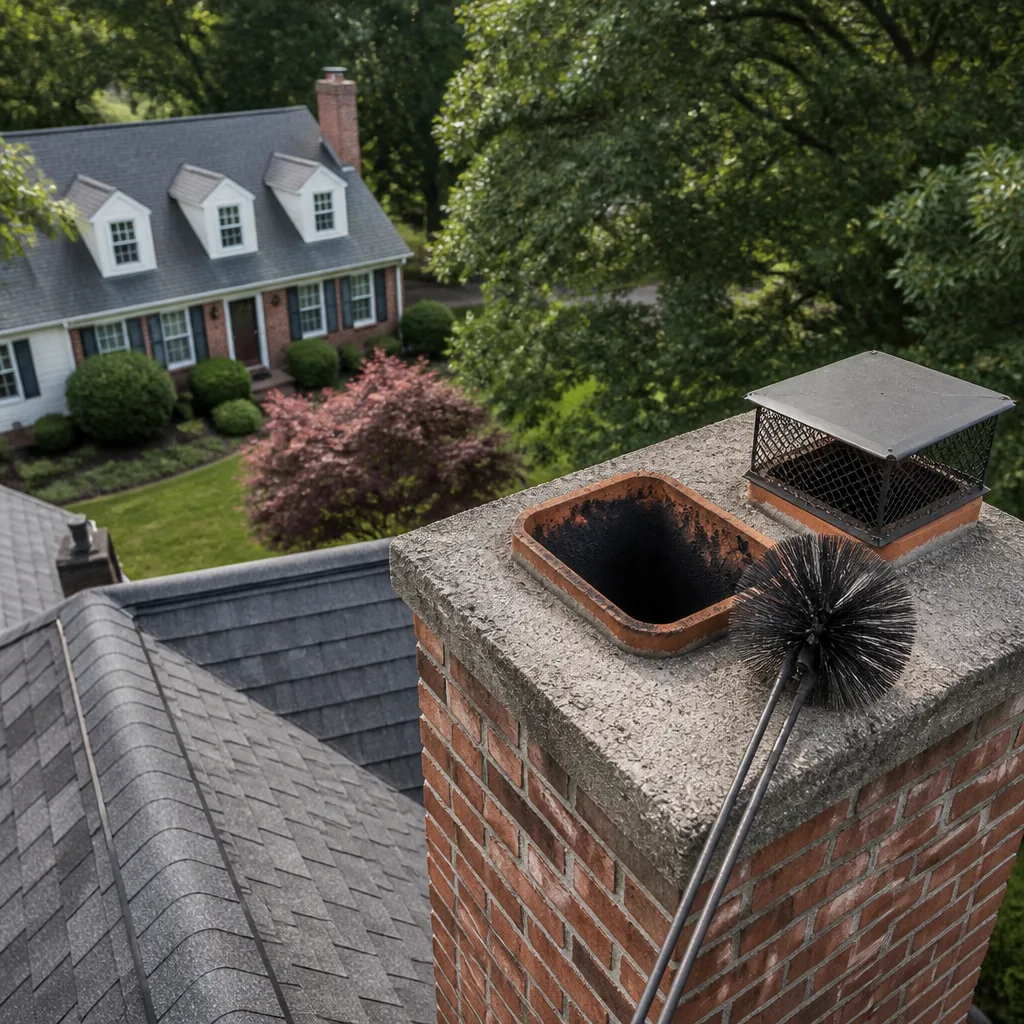
 Sweep & inspection
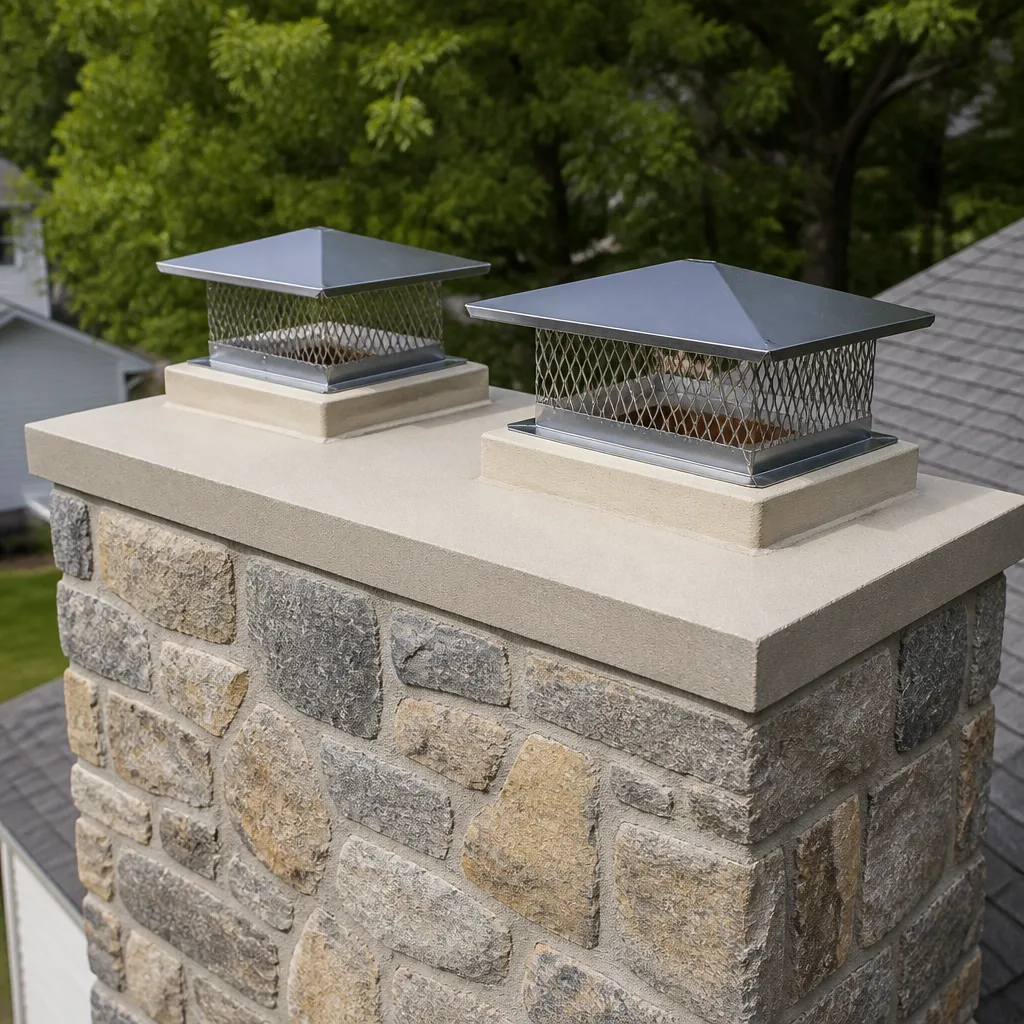 Caps & crowns
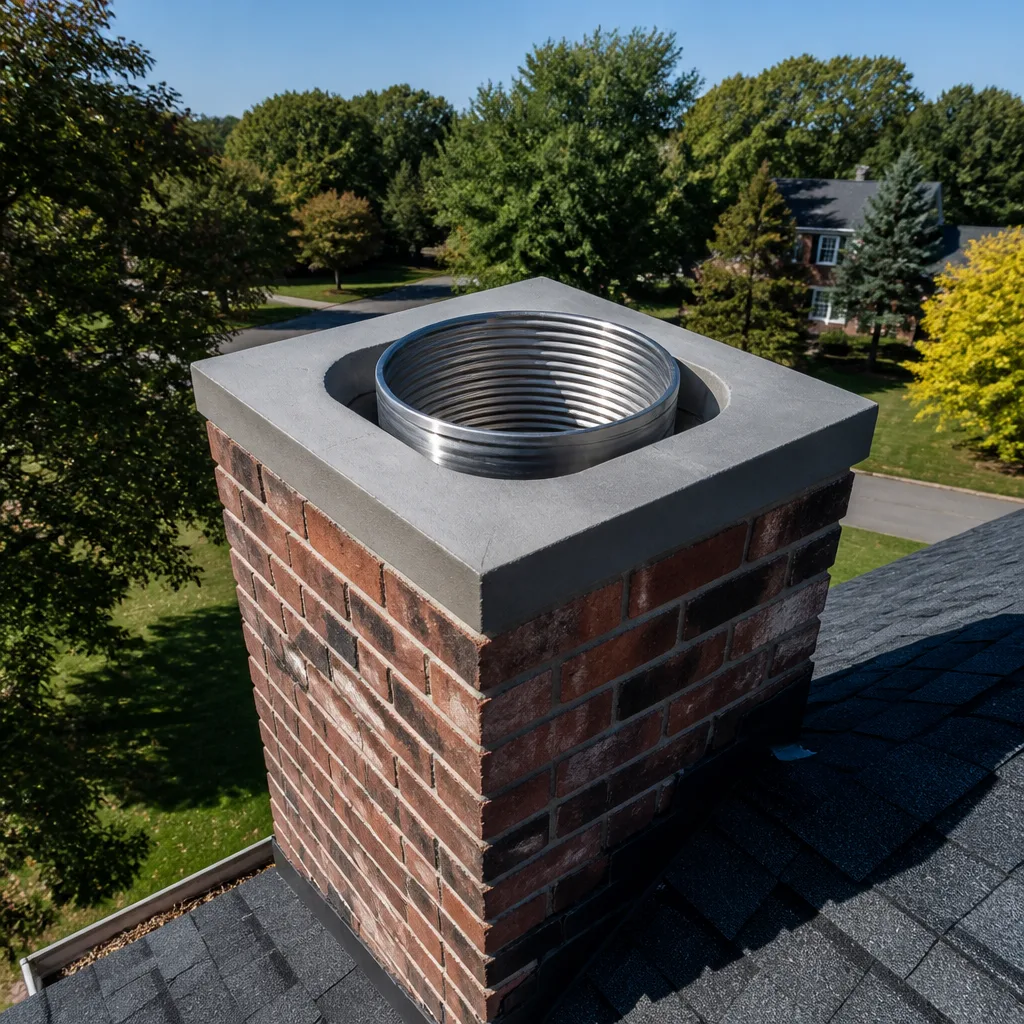 Flue relining
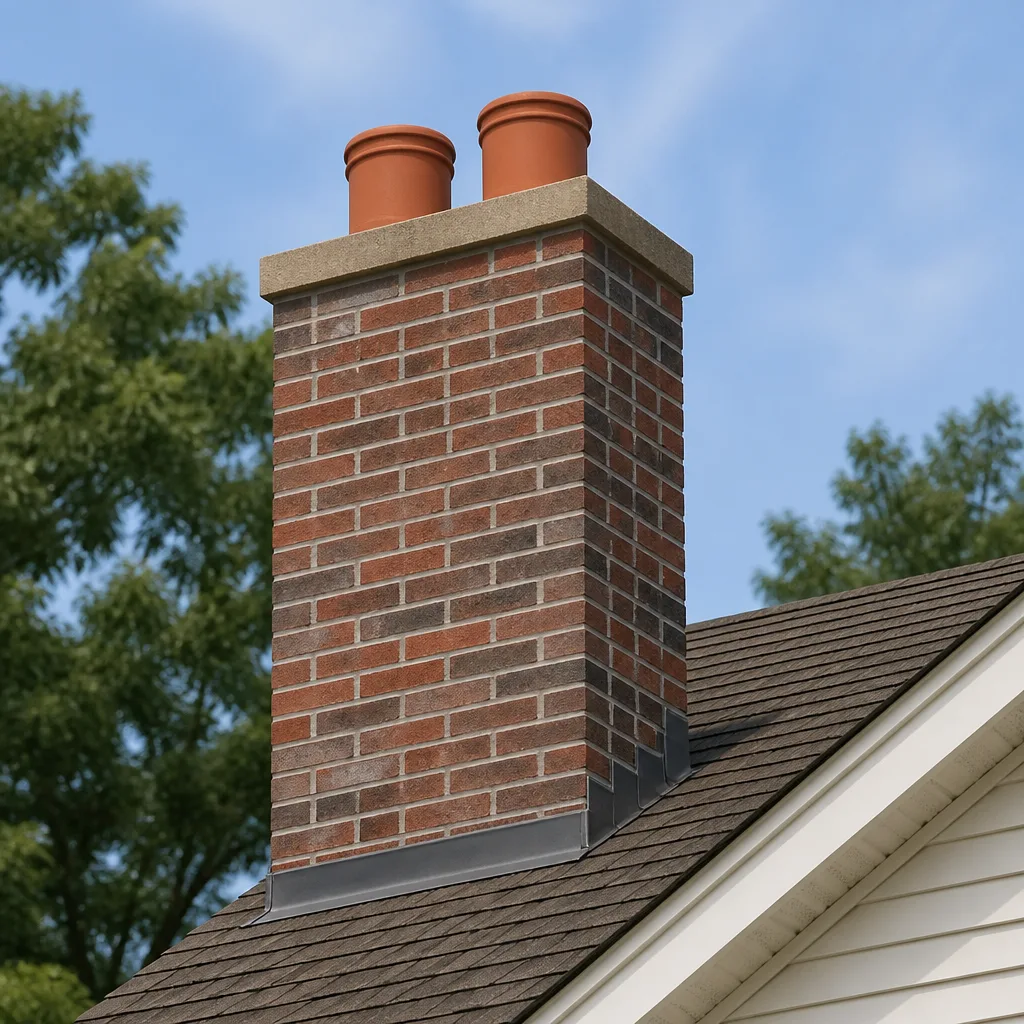 Masonry repair
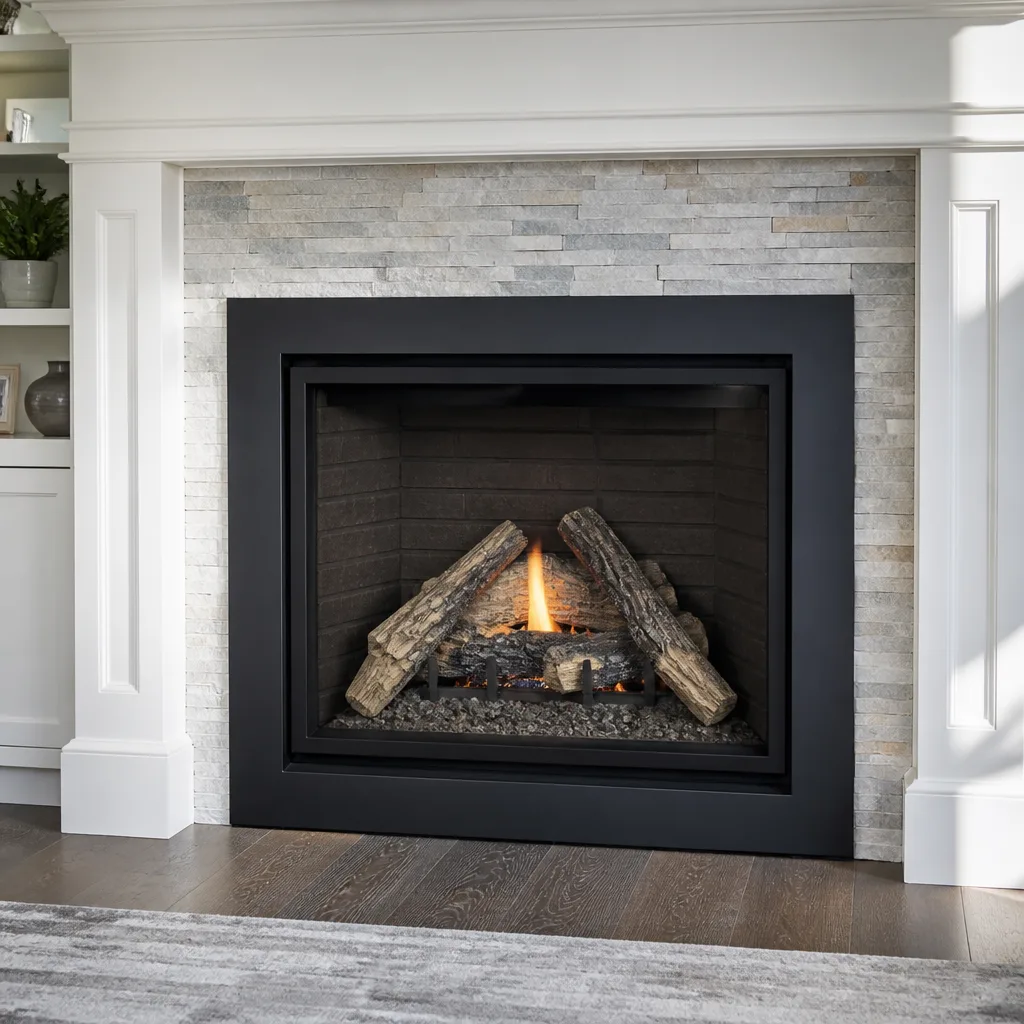 Gas fireplace service
Level 1 sweep and inspection to the NFPA 211 annual standard - flue, crown, cap, and flashing checked and photographed
Chimney sweep logs do not sweep chimneys. They loosen some creosote - which then falls where a brush and vacuum still have to collect it.
HeatShield Chimney Sweep in Atlanta: What to Know First
A HeatShield chimney sweep in Atlanta typically runs $229 to $379 for a standard cleaning and visual inspection, and most jobs are completed in a single visit. We’re an independent HeatShield service provider, which means we work on these systems every week but don’t answer to the manufacturer’s sales targets. That distinction matters when a technician tells you the liner needs work. Call (762) 356-6423 and you’ll get Ruben or a live person who can tell you exactly what to expect before anyone shows up at your door.
This page is for Atlanta homeowners who own a HeatShield resurfaced flue or are considering one and want to know what ongoing maintenance actually looks like. Not the brochure version. The real one.
How HeatShield Products Fail – and How We Fix Them
HeatShield is a ceramic-cement resurfacing product applied to the inside of an existing flue. When it’s installed correctly, it works. But Atlanta’s freeze-thaw cycles and humidity create conditions that expose weaknesses faster than drier climates do. Here’s what we actually see:
- Hairline cracking in HeatShield’s Cerfractory coating after water intrusion. Atlanta’s clay tile flues absorb moisture from rain and condensation, and when temperatures swing in January, that moisture expands. The Cerfractory material is more flexible than clay tile, but it still cracks when the substrate shifts. We see this most often in homes built in the 1970s and 1980s around Decatur and East Atlanta where the original masonry has shifted. The fix is a targeted patch, not a full reline, but it has to be caught before flue gases start moving through the crack.
- Spalling at the flue tile transitions. HeatShield is applied over the existing tile surface, which means the old tile’s condition still matters. In older Grant Park and Inman Park homes, the top few courses of clay tile are often already compromised. That spalling creates a ledge where creosote accumulates faster than it should. A standard sweep removes the creosote, but if the tile is flaking, we document it with a camera and tell you honestly whether a patch will hold or whether you’re looking at a larger repair down the line.
- Creosote bonding to the textured Cerfractory surface. The HeatShield surface is slightly rougher than a smooth stainless liner. That texture gives the material its structural properties, but it also means Stage 2 and Stage 3 creosote (the tar-like glaze and the hardened crust) grip harder. A basic brush-and-vacuum sweep doesn’t always fully clear Stage 3 glaze from a HeatShield surface. We use a rotary cleaning head with a gentler touch than what we’d use on a clay flue, because you don’t want to abrade the ceramic coating. This is a real difference between HeatShield and other relining systems, and it’s why a technician who doesn’t know the product can do damage with the wrong tool.
- Failure at the crown and wash area above the HeatShield termination. HeatShield protects the flue interior, not the masonry crown at the top. Atlanta gets roughly 48 inches of rain a year, and water pooling on a cracked crown seeps down behind the HeatShield layer. You’ll see efflorescence (white chalky stains) on the brick face below the crown, or you’ll smell a musty odor inside the fireplace after a heavy storm. The fix is crown repair or sealing, done the same day we’re already up there for the sweep.
- Improper sizing from the original installation. If the flue was resurfaced without resizing to match the appliance, you get draft problems: smoke rolling back into the room, cold air dropping down the chimney when the fireplace isn’t in use. We measure the flue and the appliance opening during the inspection and tell you plainly whether the original HeatShield job was spec’d correctly. Sometimes the fix is a chimney cap adjustment or a damper change, not a new liner.
Styles & brands we work with
Our HeatShield Chimney Sweep Process
Every HeatShield job in Atlanta follows the same sequence, and we tell you upfront what each step costs before we start. No surprises.
- 1
You call, a person answers. You’ll describe what you’re seeing or what you need. We’ll ask for the home’s age, the fireplace type, and whether you know the liner’s history. You’ll get a written price range before we schedule.
- 2
You get a name and a photo. The technician assigned to your job is background-checked under the Threshold Standard, and we send the name and photo before arrival. The tech shows a photo ID badge at the door. Every time.
- 3
We set up and inspect. Drop cloths go down around the fireplace. We run a Level 1 or Level 2 inspection depending on your situation, using a camera to look at the HeatShield surface, the crown, the damper, and the smoke chamber.
- 4
We sweep with the right tools. A rotary head sized for the flue diameter, run at a speed that clears creosote without gouging the Cerfractory surface. HEPA vacuum keeps soot out of your living room.
- 5
We show you what we found. You’ll see the camera footage. If there’s damage, Ruben or your tech walks you through it in plain English before quoting a dollar figure. Nothing gets recommended without visual evidence.
- 6
You get a written report and a written guarantee. The report includes photos and a recommendation on timing. If we do a repair, it carries a written guarantee. If it fails within the coverage period, the second visit is free.
See the difference
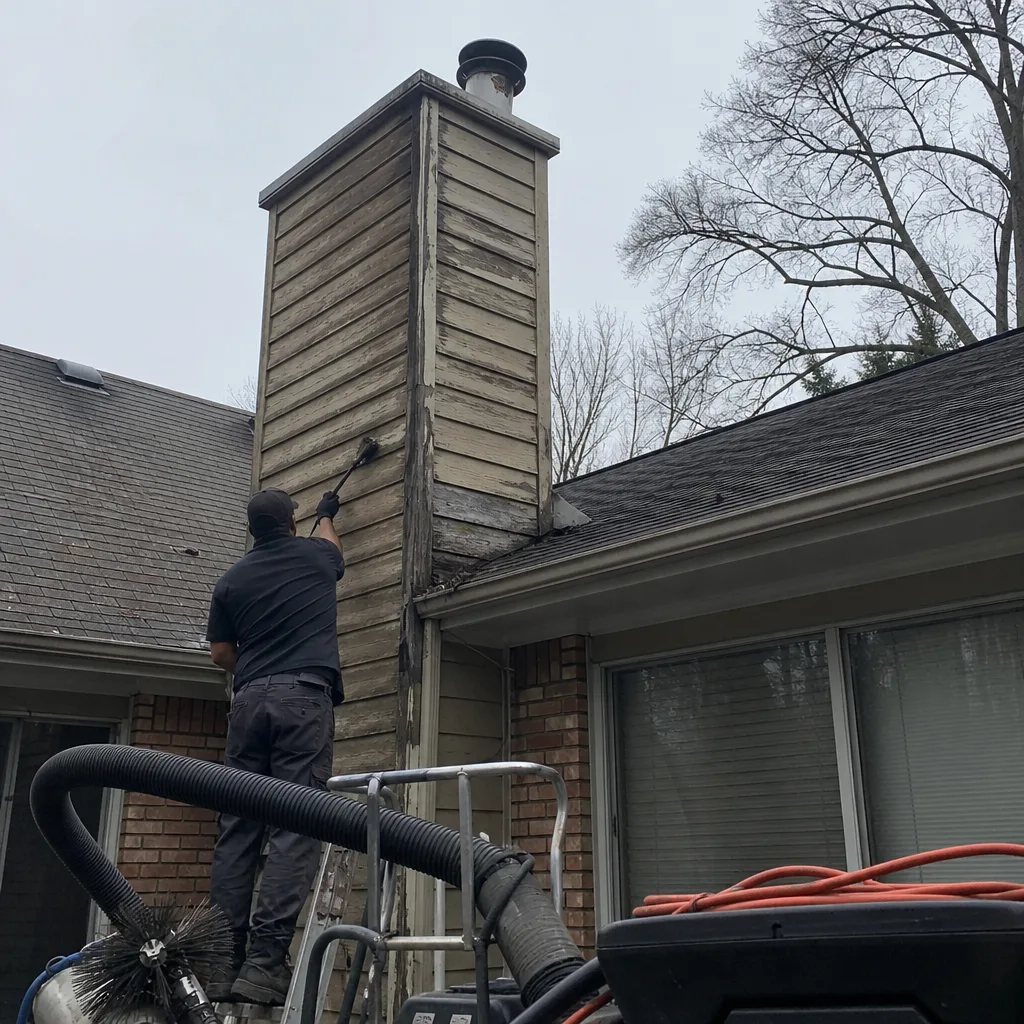 Before
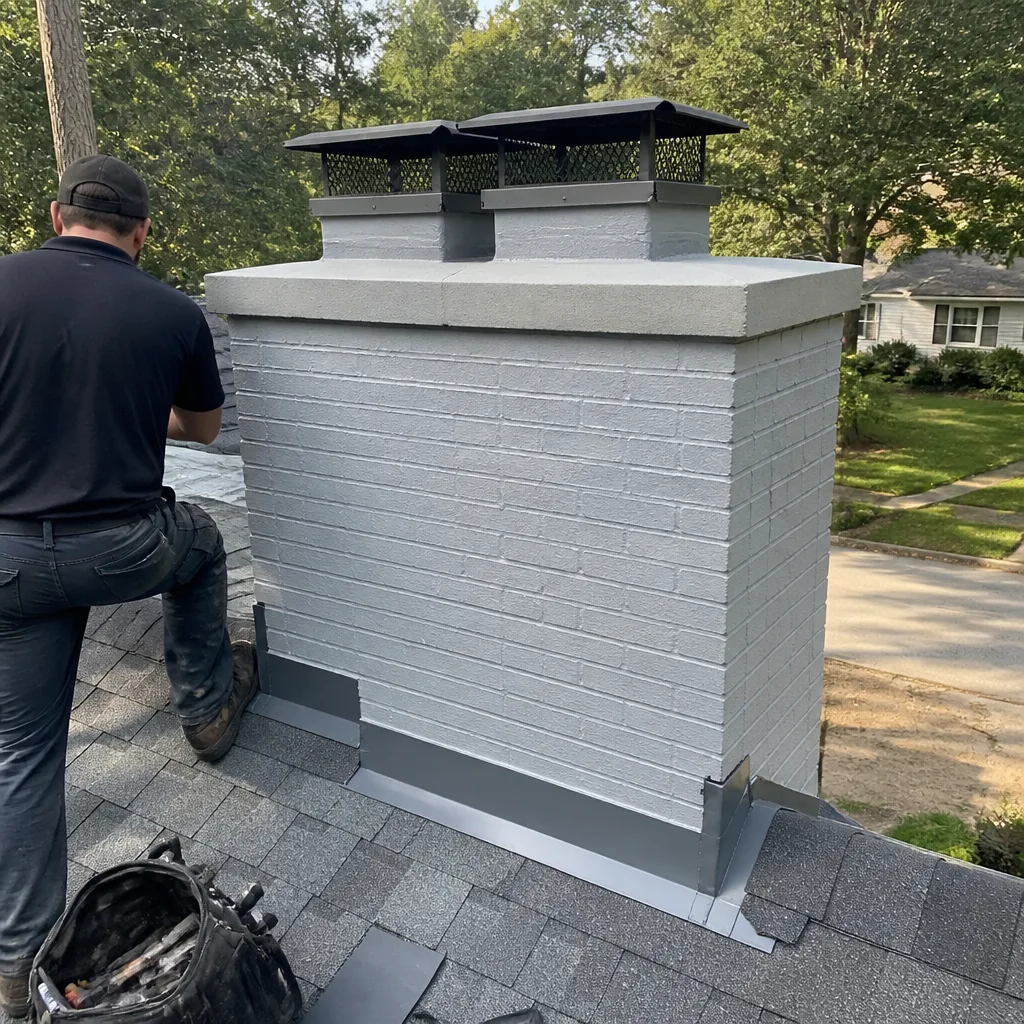 After
After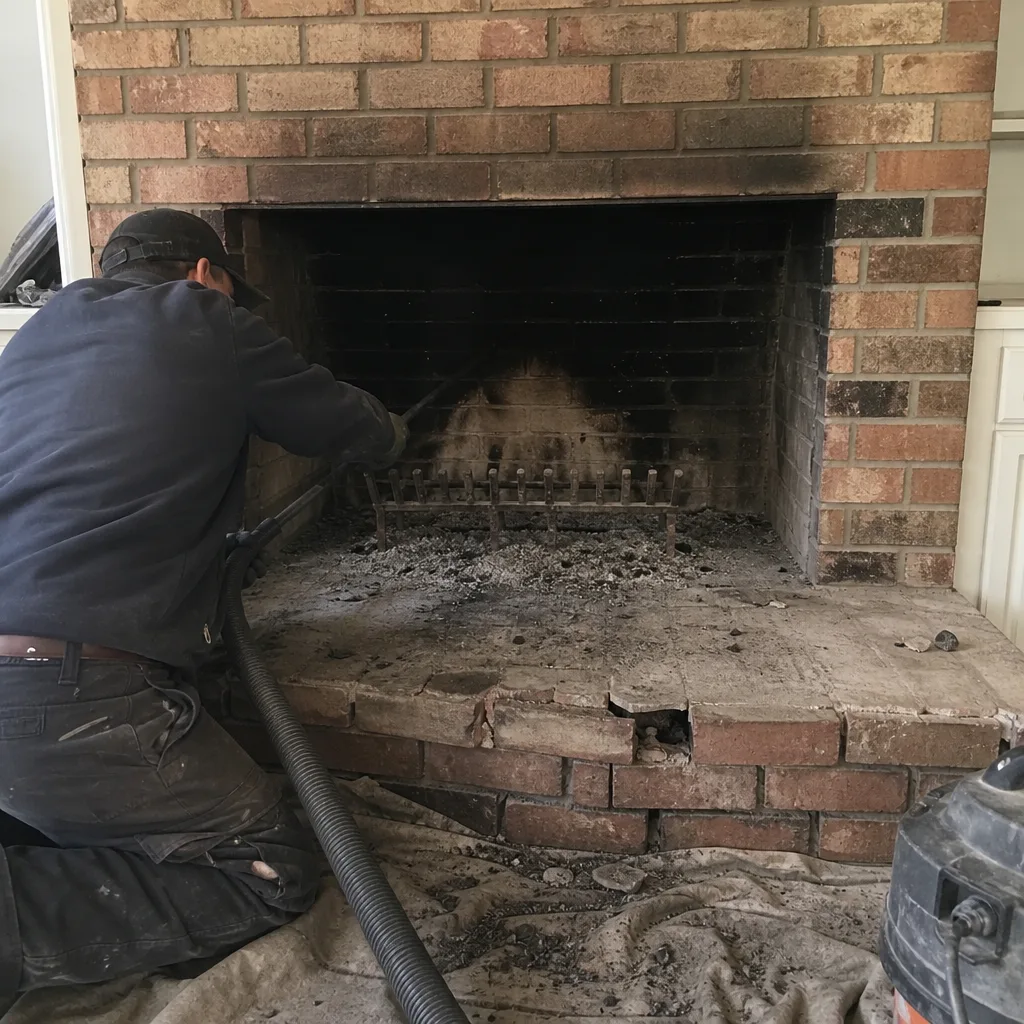 Before
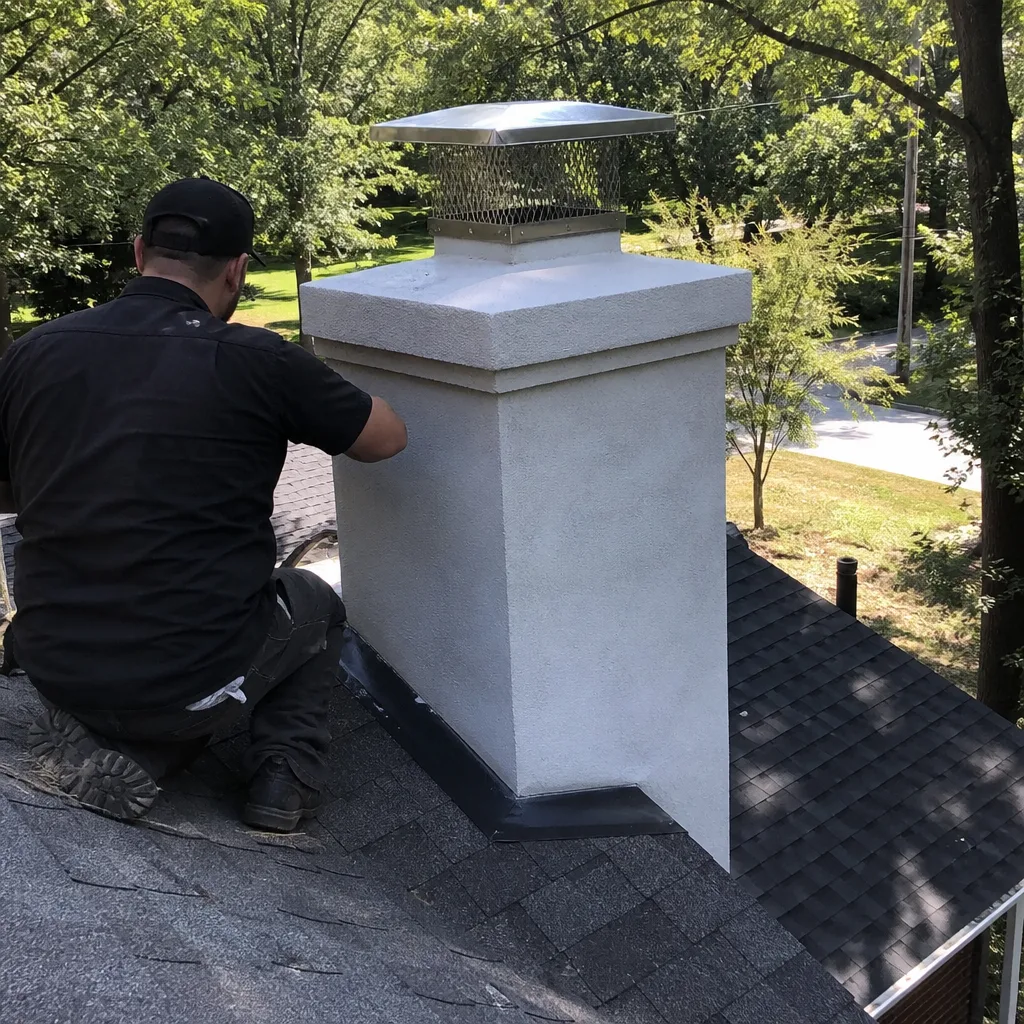 After
After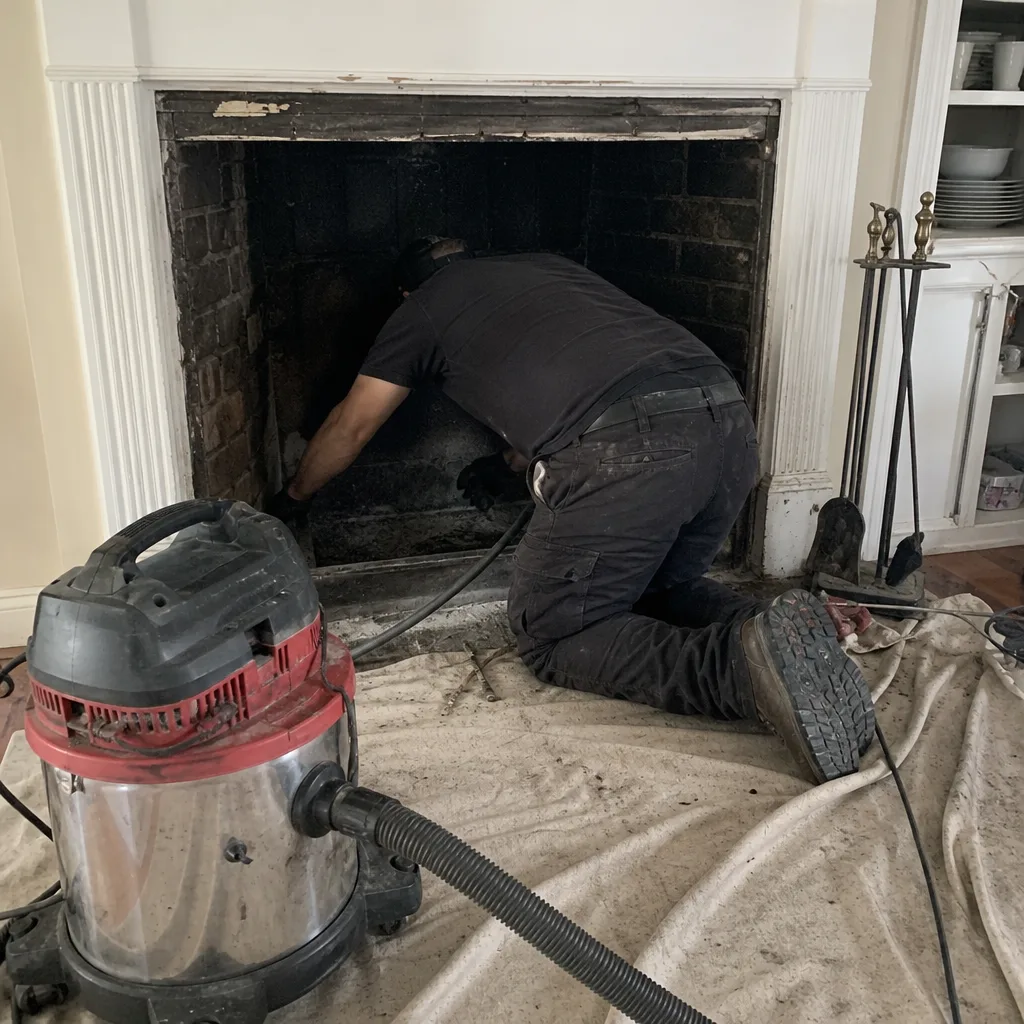 Before
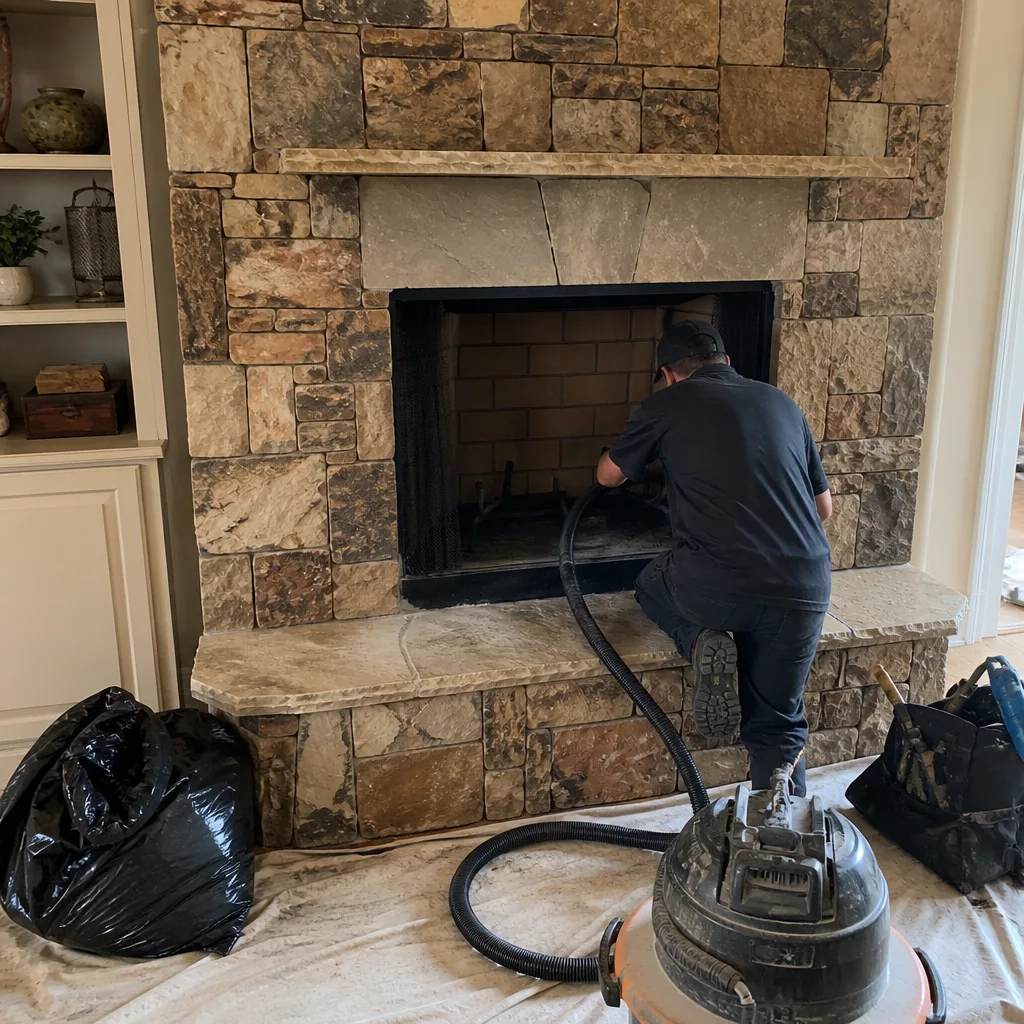 After
AfterWhat HeatShield Chimney Sweep Costs in Atlanta
Here’s what we quote for common HeatShield scenarios. These are ranges, not final prices, because every flue is different.
- Standard HeatShield sweep with Level 1 inspection: $229 – $289. Includes rotary cleaning, HEPA vacuuming, and a visual check of the accessible flue interior.
- HeatShield sweep with Level 2 camera inspection: $329 – $379. Includes everything above plus full video documentation of the Cerfractory surface, smoke chamber, and crown.
- HeatShield patch for hairline cracks or minor voids: $180 – $420 depending on location and access. We use OEM-compatible refractory materials rated for flue use, not box-store fireplace mortar.
- Crown repair or sealing: $150 – $400 depending on crown condition and size. Often done the same day as the sweep.
What moves the price: flue height (two-story chimneys cost more than single-story), creosote severity (Stage 3 glaze takes longer), roof pitch and access, and whether the original HeatShield installed is still under its own warranty period (we’ll help you check). Estimates are free. Call (762) 356-6423 and we’ll give you a real number.
Why Atlanta Homeowners Call Alcott Chimney Atlanta for HeatShield Work
We’ve been working on Atlanta chimneys for over two decades, and in that time we’ve learned that HeatShield systems need a technician who understands the material’s limits. A rookie with a standard clay-flue brush can do more harm than good to that textured ceramic surface. Our techs know the difference, and they’ll tell you when a patch will hold versus when you’re better off with a DuraFlex or Gelco liner alternative. You also get our multi-brand perspective: if HeatShield isn’t the right answer for your chimney anymore, we’ll say so and explain why in language you can verify. But the biggest reason homeowners call us is simpler than that. When you book with Alcott, you know who’s coming to your door before the truck parks. You get a written price before any work begins. And if a repair doesn’t hold, we come back free. That’s the whole deal.
FAQs
No. HeatShield’s warranty actually requires regular maintenance, and a professional sweep by an independent provider like us does not void coverage. What voids it is neglect that leads to damage, or unapproved repairs done with the wrong materials. We document every sweep with photos, which helps if you ever file a warranty claim.
Most homeowners are scheduled within 5 to 10 business days, and we often have earlier slots available in spring and summer when demand is lower than fall burning season. If you smell smoke inside the house or see soot stains around the fireplace opening, tell the person on the phone and we’ll move you up. Call (762) 356-6423 for current availability.
You’ll know from the camera footage. We run a Level 2 inspection and show you the video. Hairline cracks under 1/8 inch with no shifting can usually be patched. Wide cracks, bulging, or damage that extends more than a few feet down the flue often means the HeatShield installation wasn’t done properly, and you may need a partial or full reline. We’ll give you the straight answer and quote both options if they apply. No scare tactics, and the camera evidence is yours to keep.
Creosote builds up faster on HeatShield’s textured surface than on smooth steel, and in Atlanta’s humid climate, that creosote absorbs moisture and becomes more corrosive over time. Stage 3 glaze is a fire hazard: it burns at high temperature inside your flue and can crack the Cerfractory coating from thermal shock. Neglect also means small cracks go unpatched until they’re big problems. A sweep three to four times per decade is cheap compared to a $3,000 – $6,000 reline. Call (762) 356-6423 and we’ll give you an honest schedule based on how you use your fireplace.
Yes. We install and service DuraFlex stainless steel liners and Gelco products alongside HeatShield, so if a repair is beyond what the HeatShield material can handle, we can quote you a conversion without bringing in another company. We’ll always show you the evidence first, explain your options, and let you decide. And if you have an existing DuraFlex or Gelco liner in another flue, we’ll service that too.
Written by Ruben Castellano, Owner, Alcott Chimney Atlanta at Alcott Chimney Atlanta, serving Atlanta and nearby areas.