
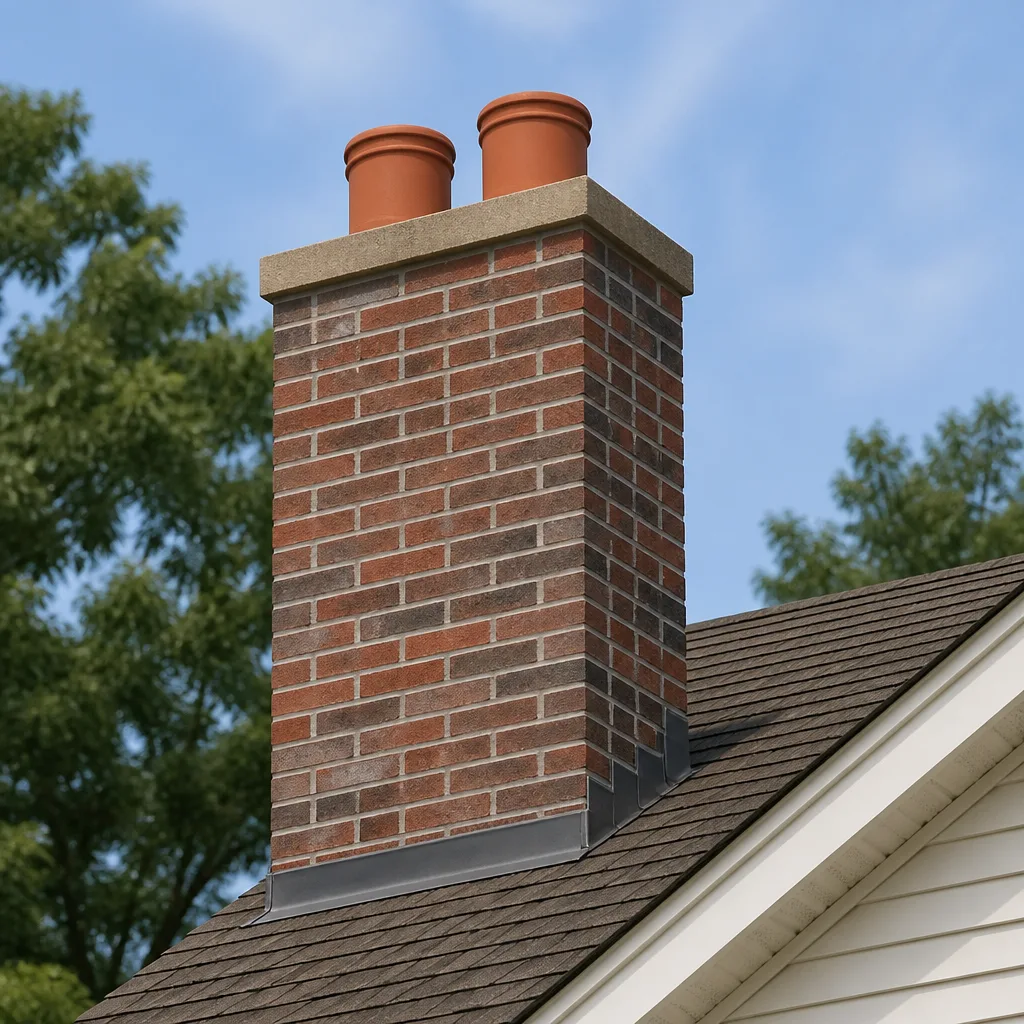
 Masonry repair
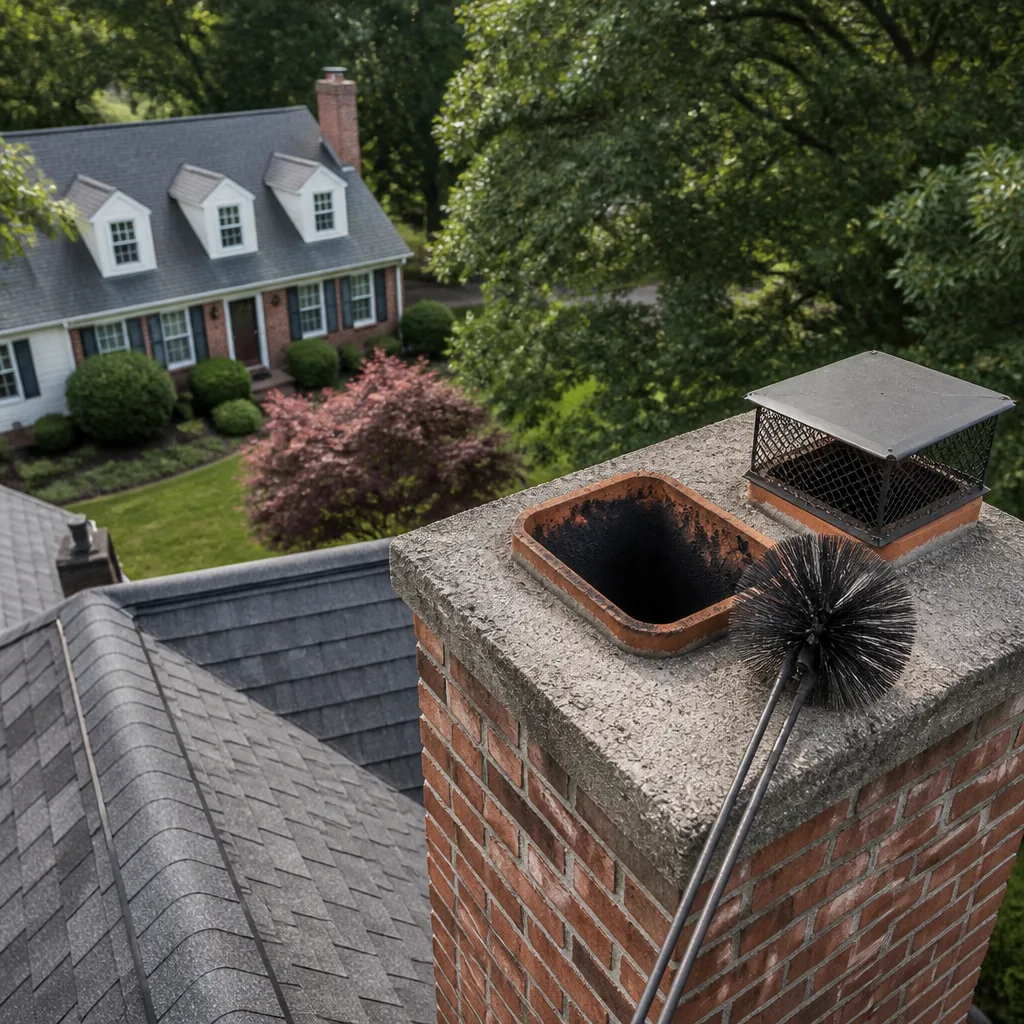 Sweep & inspection
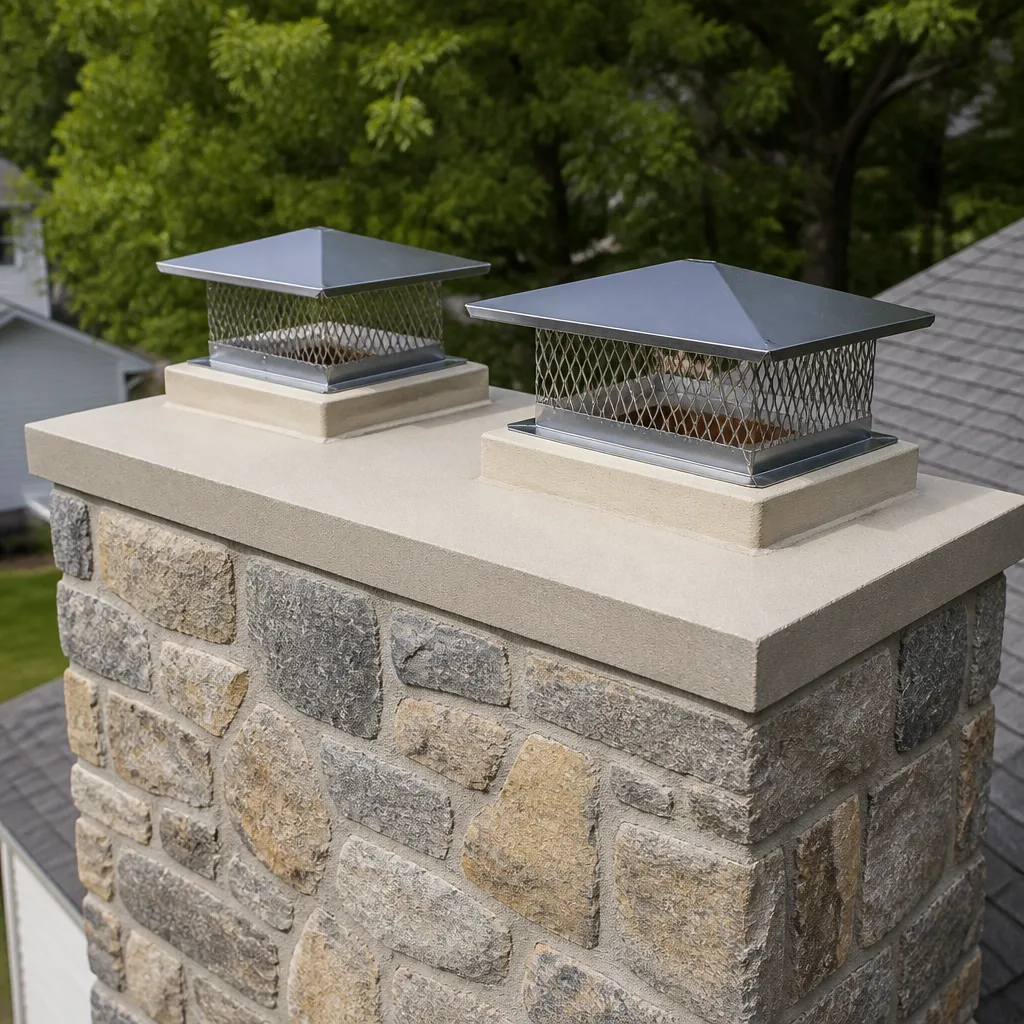 Caps & crowns
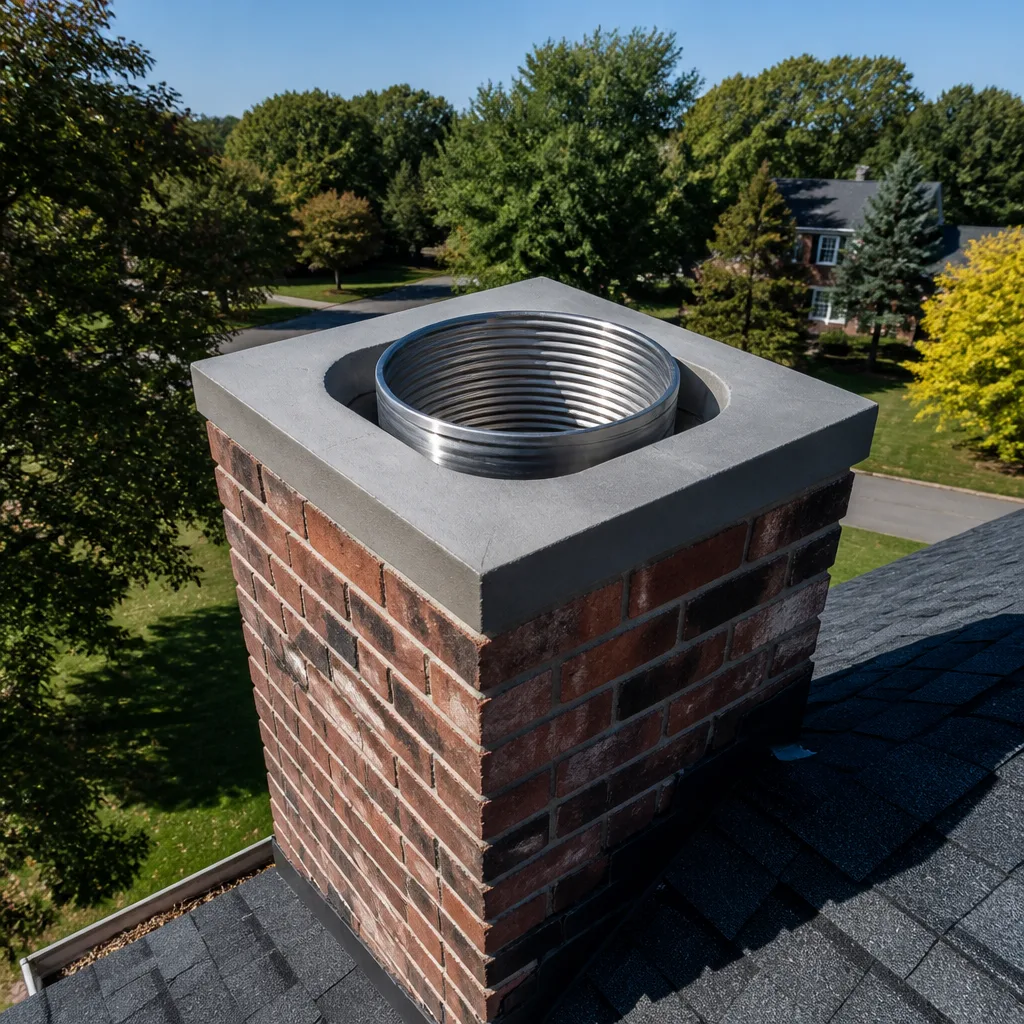 Flue relining
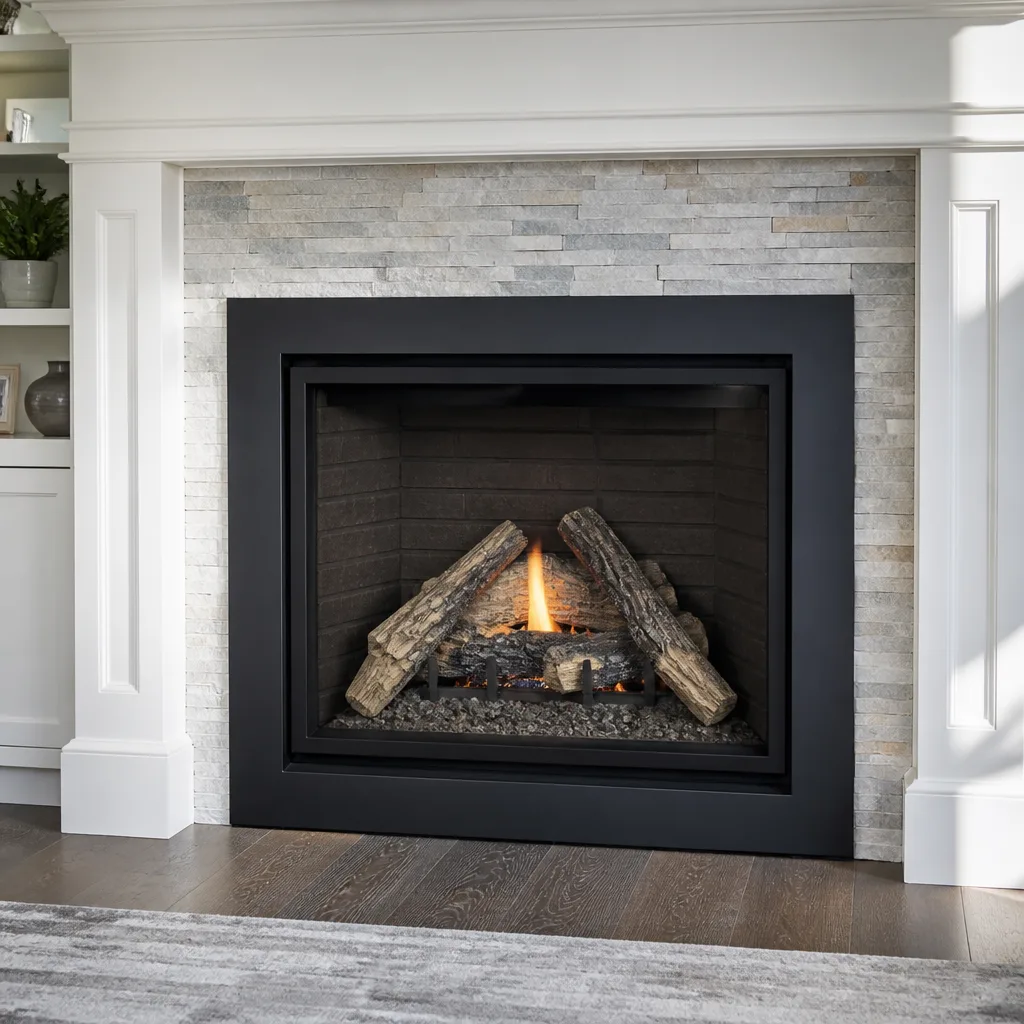 Gas fireplace service
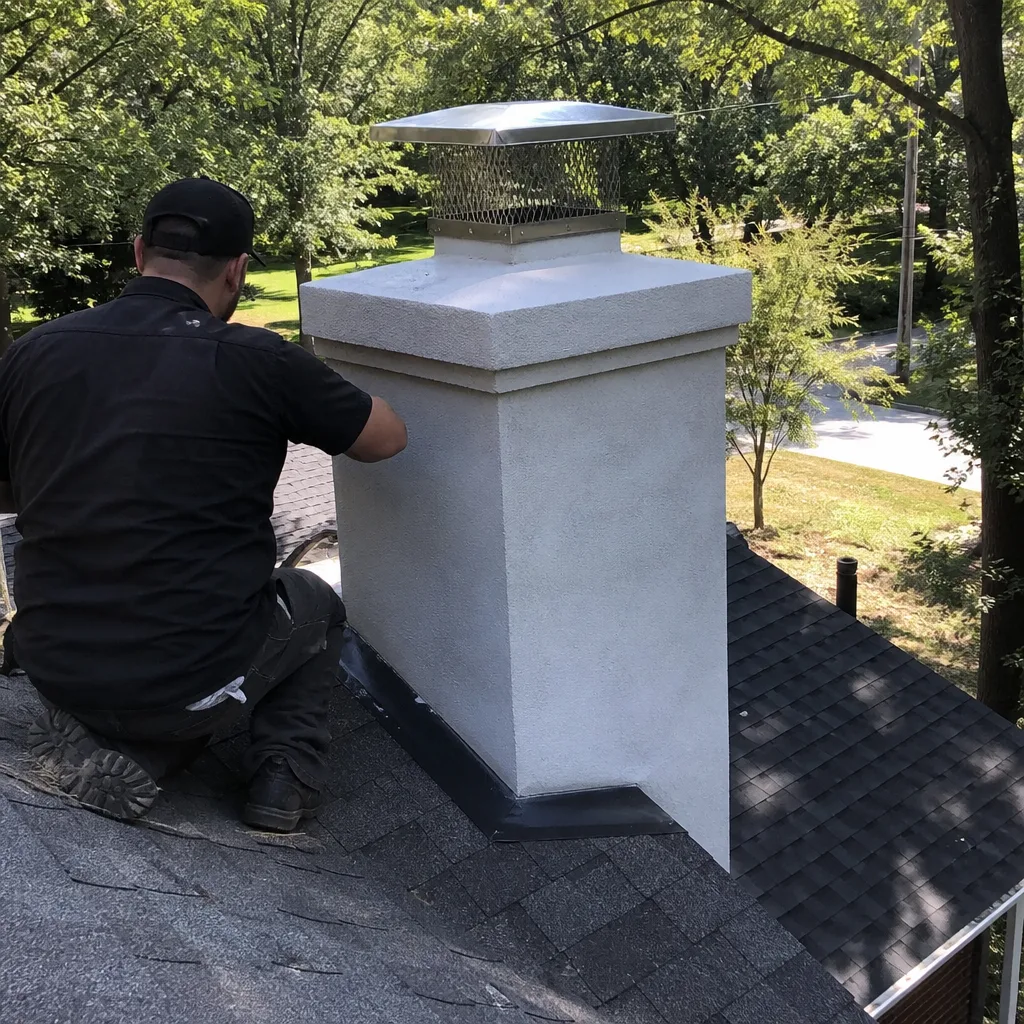
Level 1 sweep and inspection to the NFPA 211 annual standard - flue, crown, cap, and flashing checked and photographed
Chimney sweep logs do not sweep chimneys. They loosen some creosote - which then falls where a brush and vacuum still have to collect it.
HeatShield Gas Fireplace Repair in Atlanta: What to Know First
HeatShield gas fireplace repair in Atlanta typically runs $185 – $520 depending on what failed, and most jobs are done in a single visit once parts are in hand. We’re an independent HeatShield service provider, not a factory-authorized shop, which means we diagnose what’s actually wrong before quoting anything and we’re free to use whichever parts genuinely make sense for your fireplace rather than whatever the supply house happens to have this week. If you own a HeatShield gas unit and something’s off, call (762) 356-6423 and describe the symptom. Tell me what you’re seeing, and I’ll tell you what it actually means. This page is for Atlanta homeowners who want the straight version: what breaks, why it breaks here specifically, what it costs, and how we handle it from the first call to the final test.
How HeatShield Products Fail – and How We Fix Them
- HeatShield EcoChoice pilot assemblies dropping out on windy days. The EcoChoice line, which shows up regularly in Atlanta condos and townhomes, runs a smaller pilot orifice than most older gas fireplaces. When Atlanta gets those gusty spring fronts rolling off the Appalachians, the pilot flickers and the thermopile signal drops, killing the whole unit mid-burn. It’s not a gas supply problem. It’s a shielding and orifice alignment problem. We reposition the pilot shield, clean the orifice with a proper pilot file, and test the thermopile output under load. If the thermopile is producing under 325 millivolts, we replace it with an OEM-spec unit and verify it holds at 400-plus before we leave.
- HeatShield Traditional series blower motors that hum but won’t spin. This is the most common call we get in Atlanta older homes, especially the Craftsman bungalows around Grant Park and East Atlanta where original HeatShield Traditional units were installed in the 1990s and early 2000s. Dust from hardwood floors and pet hair works into the blower cage, the bearings gum up, and the motor stalls. Some companies quote a full blower assembly immediately. We pull the cage, vacuum the squirrel cage fins with a bristle brush, and check the run capacitor first. About half these units don’t need a motor at all, they need a $35 capacitor and a real cleaning. When the motor is genuinely dead, we source the exact frame size rather than adapting whatever’s on the truck.
- HeatShield Direct Vent glass seals failing in humid crawlspaces. Atlanta humidity is brutal on gasket material, and HeatShield Direct Vent models with gasketed glass fronts get brittle seals faster here than they would in drier climates. The symptom is fogging on the inside of the glass or a faint gas odor at the seams on start-up. This is a safety issue, not a cosmetic one. We replace the gasket with high-temp silicone-rated material sized to the original channel, re-torque the glass retaining brackets to spec, then run a leak check with a combustible gas detector around the entire perimeter. We don’t reuse a compressed gasket. If it’s been flattened by heat cycles, it goes in the truck and a new one goes in the frame.
- HeatShield Vented Gas Log Sets with sooting from Atlanta’s air quality. Atlanta’s pollen and summer ozone levels are hard on vented gas logs. The air intakes on HeatShield log sets pull in airborne particulates that then settle in the burner ports, causing yellow-tipped flames and soot deposition on the ceramic logs. Soot on the logs means incomplete combustion at the burner, which drops efficiency and can send carbon monoxide up into the living space if the venting is marginal. We pull the logs, clean each burner port with a port brush, clear the air shutter, and re-balance the flame. The fix is usually a half hour of methodical cleaning, not a new log set. When the logs are cracked or the ember bed is degraded to dust, we quote replacement from the current HeatShield catalog rather than trying to patch old ceramics.
- HeatShield remotes and receiver modules that lose pairing after Atlanta power flickers. The receiver boards on HeatShield’s RF remote systems are sensitive to voltage sag. Atlanta gets its share of brownouts and flickers during summer thunderstorm season, and after one of those, the receiver may drop its pairing with the remote. Homeowners assume the remote battery is dead, replace it, and still get nothing. We verify the receiver is getting line voltage, re-pair the transmitter and receiver following the manufacturer’s sequence, and if the board has been fried by a spike, we recommend a surge suppressor on the outlet feeding the fireplace. That’s a $40 preventive step that saves a $200 receiver board on the next storm.
Styles & brands we work with
Our HeatShield Gas Fireplace Repair Process
- 1
You call (762) 356-6423 and talk to a live person. Not a voicemail tree. You describe the symptom in your own words, and we’ll ask a few questions: What’s the unit doing or not doing? When did it start? Is there any smell, any sound, any visible soot? We’ll then confirm the address and send you the technician’s name and photo before anyone shows up.
- 2
The technician arrives with a photo ID badge and the right parts. For HeatShield work, we stock common thermopiles, thermocouples, pilot orifices, gasketing, remote receivers, and burner port brushes. If your unit needs something less common, we tell you that up front and order it before scheduling, so there’s no discovery appointment that ends in a shrug.
- 3
Diagnosis first, quote second. The tech tests gas pressure at the valve, verifies the thermopile and thermocouple output, checks the vent path for obstruction, and inspects the log set and glass. Then you get a written price before a single part goes in. No hourly uncertainty, no surprise line items.
- 4
The repair, using OEM HeatShield parts or proper-grade equivalents. For safety components and gas controls, we use OEM parts from the manufacturer’s current catalog. For wear items like gaskets and ceramic ember material, we use aftermarket components that meet or exceed the original specification, sourced from the same brands chimney professionals specify: HeatShield, DuraFlex, and Gelco among them.
- 5
Post-repair test and cleanup. We run the fireplace through a full cycle, check for gas leaks with a detector, confirm the blower engages and the flame pattern is correct, and go over what we found with you before we leave. You get a written guarantee on the repair. If it fails during the coverage period, the second visit is free. That’s the 365-Day Done Right Promise.
See the difference
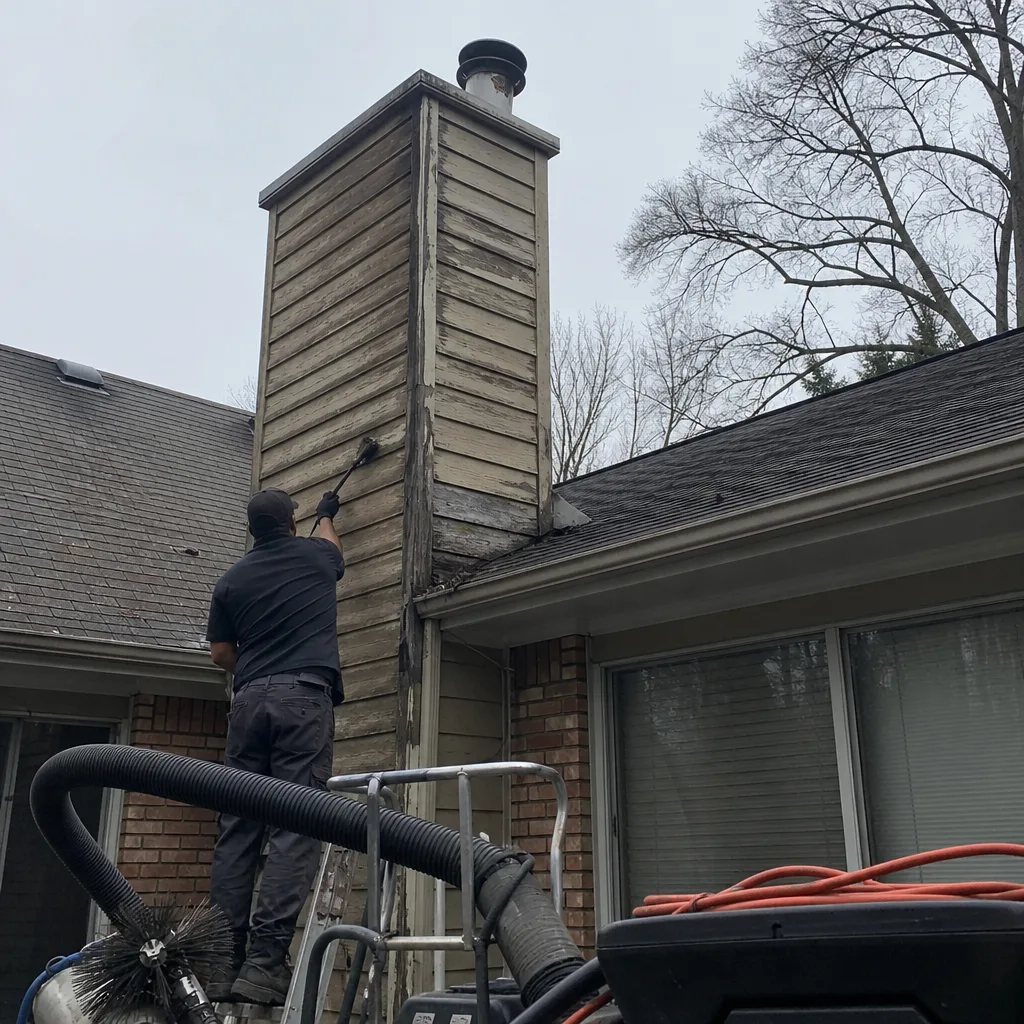 Before
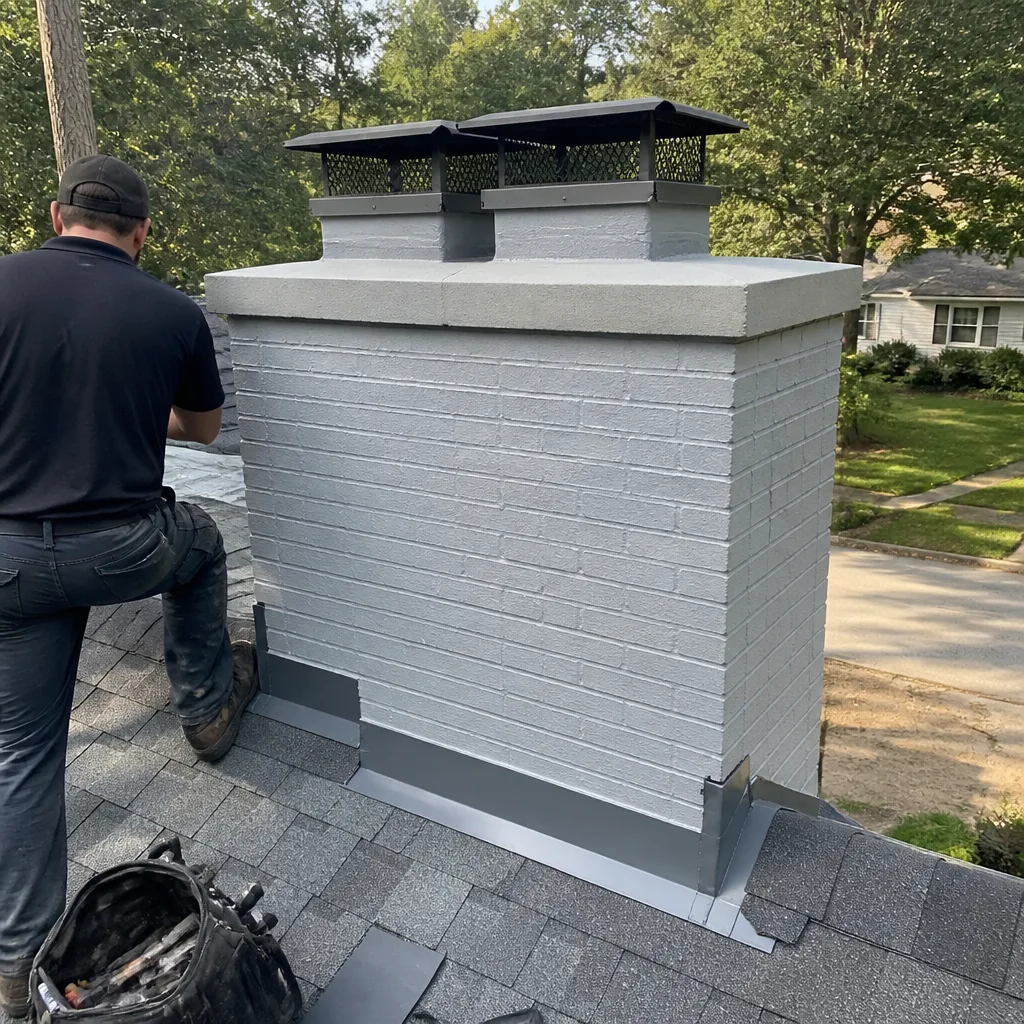 After
After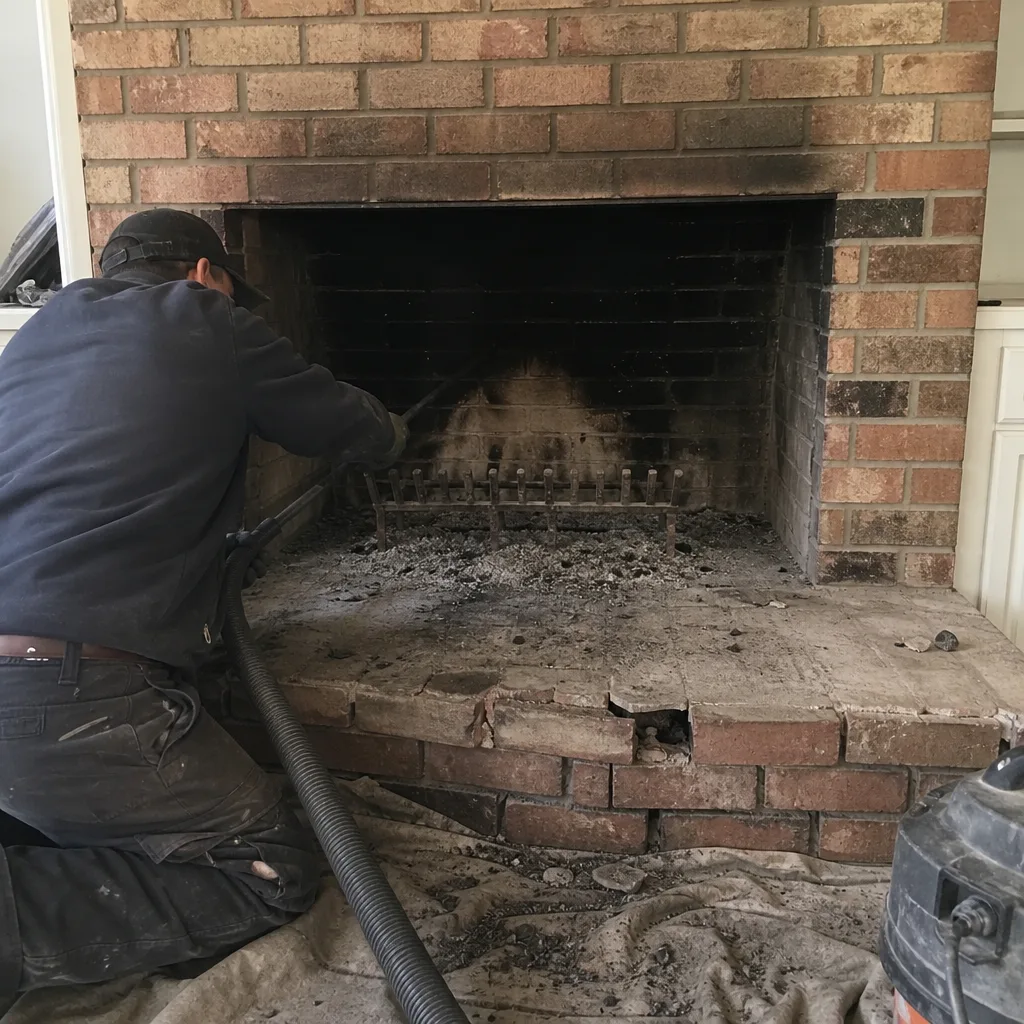 Before
 After
After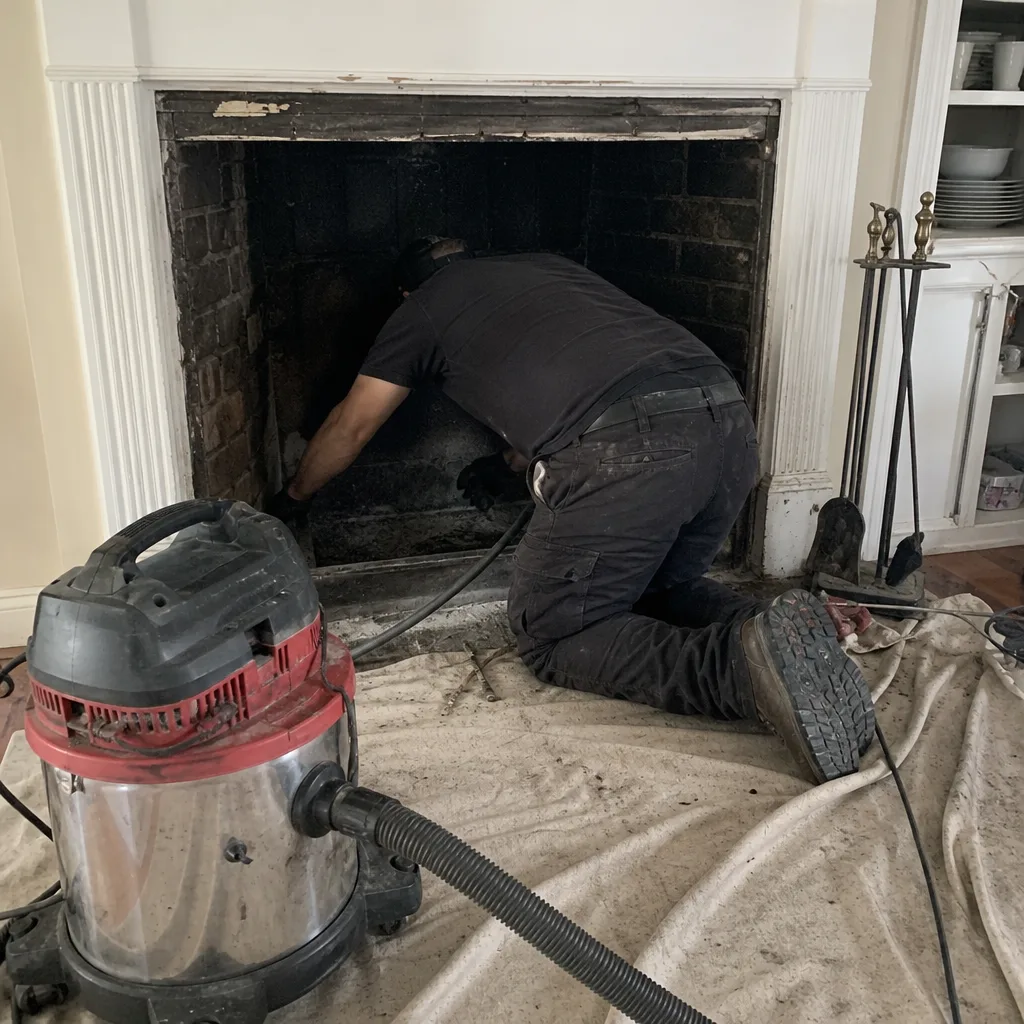 Before
 After
AfterWhat HeatShield Gas Fireplace Repair Costs in Atlanta
Here’s the real picture. We charge a diagnostic fee of $89 that’s waived if we do the repair. After that, the part and labor break down like this:
- Thermopile or thermocouple replacement: $185 – $260 total, including the diagnostic and the part. This fixes a pilot that won’t stay lit or a fireplace that shuts off mid-burn.
- Pilot assembly rebuild or replacement: $220 – $340. This is the fix for the EcoChoice units with pilot dropout issues, and typically includes new gasketing and a fresh orifice.
- Blower motor replacement: $260 – $420 depending on the frame size and whether a capacitor is also needed. If it’s just a capacitor, the total lands around $140 – $175.
- Glass gasket replacement with leak test: $160 – $220. We do this on the spot when the sealing material has gone brittle from Atlanta’s humidity cycles.
- Full log set or burner replacement: $380 – $520 when the originals are cracked, deeply sooted, or the burner ports are corroded shut. We quote exact part numbers before ordering anything.
What moves the price is mostly parts availability. HeatShield still manufactures most replacement components for the units in Atlanta homes, but a few older models have been discontinued, and sourcing those takes longer and may require an aftermarket match. We’ll always tell you the difference before you commit to anything. Call (762) 356-6423 for an exact quote. Estimates are free.
Why Atlanta Homeowners Call Alcott Chimney Atlanta for HeatShield Work
Because when a gas fireplace misbehaves, you want the person at your door to be the person you were told to expect. We send you a name and photo before the visit. Our technician shows a photo ID badge at the door. Every single time, no exceptions. Ruben Castellano started this company in 2002 and built it around a simple idea: do the work correctly, write down what was done, and stand behind it for a full year. We’re not a one-brand box store, which means if your HeatShield unit needs a liner-related fix, we carry and install DuraFlex components, and we keep Gelco material in stock for resealing and flame-shaping work. We’re a HeatShield service provider, not a HeatShield dealer, which means our loyalty is to the Atlanta homeowner, not to any manufacturer’s sales target.
FAQs
No, as long as the repair uses parts meeting the original specification and the work is performed correctly. Since we’re an independent HeatShield service provider, not a factory-authorized agent, we always tell you up front whether a specific part is OEM or a quality aftermarket match and why. For gas controls and safety devices, we use OEM parts specifically so warranty questions stay simple for you.
Most common HeatShield parts like thermopiles, thermocouples, pilot assemblies, and gaskets are available to us within 1 – 3 business days through our usual supply chain in the Atlanta area. Some older model-specific parts, especially for units built before 2005, may take a week or more to source, and we’ll tell you that before you’re left without a working fireplace.
If the firebox and burner are sound and the failure is in the controls, blower, or gasketing, repair almost always makes more sense, and most HeatShield gas fireplaces in Atlanta have a lot of service life left in them. If the firebox is cracked, the ceramic logs are crumbling, or the venting has deteriorated to the point that a liner replacement would be needed anyway, we’ll talk with you about whether replacement is smarter. We’ll never recommend a replacement just because it’s a bigger ticket item.
Every repair is backed by a written guarantee for a full year from the date of the work, through our 365-Day Done Right Promise. If the same component fails during that period, we return and fix it for free. The repair itself, the labor, the trip to your home – all covered. What it doesn’t cover is damage from new problems, misuse, or a different component failing independently. We write the specifics on your invoice, not in vague language.
No. A gas odor, sooting on the glass or logs, yellow fluttering flames, or a pilot that won’t stay lit are all signs something in the combustion path isn’t right. The risks are carbon monoxide accumulation inside the living space and, in the worst case, a gas leak. If the smell is strong or you’re feeling lightheaded, shut the gas off at the fireplace valve and open a window, then call us at (762) 356-6423. If there’s any doubt about your safety, call Atlanta Gas Light’s emergency line first, then us for the repair.
If your HeatShield gas fireplace is acting up and you want straight answers before you spend a dollar, call (762) 356-6423. A live person answers around the clock, you’ll get a written price before any work starts, and you’ll know exactly who’s walking up your driveway before they knock.
Written by Ruben Castellano, Owner, Alcott Chimney Atlanta at Alcott Chimney Atlanta, serving Atlanta and nearby areas.